
Introduction
Starting primary school is an exciting milestone for every child and their family. While many parents think school readiness is mainly about learning letters and numbers, there is much more to it. Children develop a wide range of skills before they enter the classroom, including communication, social interaction, emotional confidence, independence, and problem-solving.
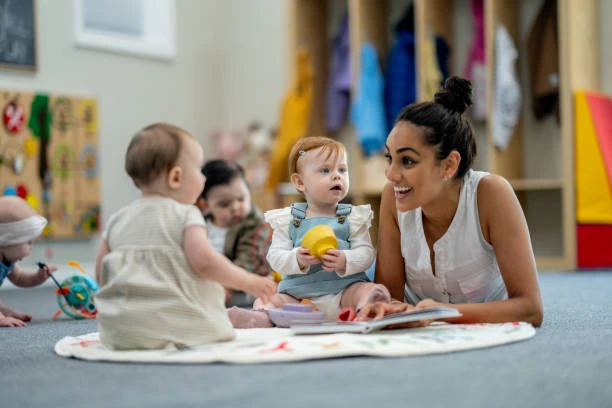
A quality childcare with kindergarten program gives children opportunities to learn these skills naturally through play, daily routines, and meaningful experiences. Rather than focusing only on academic learning, children build confidence and curiosity while becoming comfortable in group settings.
Let's look at what children typically learn before starting primary school and why these early experiences matter.
Why Early Learning Matters
The years before primary school are filled with rapid growth. Children are learning every day, even during simple activities like sharing toys, listening to stories, helping tidy up, or talking with friends.
Early learning helps children become confident learners who are ready to join a classroom, follow routines, and build positive relationships with teachers and classmates.
Every child develops at their own pace, and school readiness is about progress rather than perfection.
Communication Skills Grow Every Day
One of the biggest changes before primary school is the way children communicate.
Throughout childcare and kindergarten, children practise speaking, listening, asking questions, and expressing their thoughts.
They learn to:
- Follow simple instructions
- Join conversations
- Share ideas
- Listen while others speak
- Ask for help when needed
- Build vocabulary through stories and songs
These everyday conversations make children more confident when they begin school.
Learning to Get Along with Others
Primary school involves spending time with many different people every day.
Children gradually learn how to:
- Share materials
- Take turns
- Work together
- Respect personal space
- Solve small disagreements
- Show kindness towards others
These social skills often develop during play, group activities, and daily routines.
For example, children building a block tower together learn cooperation without even realising it.
Building Emotional Confidence
School brings many new experiences.
Children who have practised recognising and expressing their feelings often find new situations easier to manage.
Educators help children learn to:
- Recognise different emotions
- Calm themselves after becoming upset
- Build confidence when trying something new
- Accept small disappointments
- Celebrate achievements
These skills help children settle into school more comfortably.
Becoming More Independent
Independence is an important part of preparing for primary school.
Children slowly begin doing more tasks by themselves, including:
- Packing away toys
- Washing hands
- Managing lunch boxes
- Putting on hats and jackets
- Choosing activities
- Following simple routines
These daily experiences help children become more confident in caring for themselves.
Early Literacy Skills
Children don't need to be fluent readers before starting school.
Instead, they begin developing the building blocks of literacy through everyday experiences.
These include:
Story Time
Listening to books helps children understand how stories work while introducing new words.
Rhymes and Songs
Nursery rhymes improve listening skills and help children hear different sounds in words.
Recognising Letters
Children begin noticing letters in books, signs, and their own names.
Drawing and Mark Making
Drawing pictures and experimenting with pencils helps prepare little hands for writing later.
Learning happens naturally through enjoyable activities rather than formal lessons.
Early Maths Learning
Maths begins long before children enter a classroom.
Simple daily activities introduce early maths concepts such as:
- Counting toys
- Matching colours
- Sorting objects
- Comparing sizes
- Recognising shapes
- Talking about time
- Understanding patterns
For example, setting the table for lunch gives children opportunities to count plates and cups while recognising one-to-one matching.
Learning Through Play
Play is one of the most valuable ways children learn before school.
During play, children build many different skills at the same time.
Pretend play teaches imagination and communication.
Building blocks encourage problem-solving.
Outdoor games support physical coordination.
Creative activities develop fine motor skills.
Because children enjoy playing, learning feels natural and meaningful.
Physical Development
Strong physical skills help children feel comfortable participating in school activities.
Children practise:
Fine Motor Skills
These include:
- Holding pencils
- Cutting with child-safe scissors
- Threading beads
- Building with small blocks
- Drawing and colouring
Gross Motor Skills
These include:
- Running
- Jumping
- Climbing
- Balancing
- Throwing and catching balls
Both areas are important for everyday school life.
Learning to Follow Routines
Primary schools have regular daily routines.
Before starting school, children gradually become familiar with routines such as:
- Morning arrivals
- Group activities
- Meal times
- Outdoor play
- Packing away materials
- Listening during group discussions
Knowing what comes next helps children feel settled and confident.
Curiosity and Problem-Solving
Young children naturally ask questions about the world around them.
Educators encourage curiosity by providing opportunities to:
- Ask questions
- Test ideas
- Build simple projects
- Observe nature
- Solve puzzles
- Try different approaches
Rather than giving every answer immediately, educators encourage children to think and experiment.
Respecting Others
Children also begin understanding that everyone is different.
They learn about:
- Different families
- Different cultures
- Kindness
- Fairness
- Respect
- Inclusion
These lessons help children become thoughtful classmates when they begin school.
A Typical Learning Experience
Imagine four-year-old Sophie during a morning at kindergarten.
She arrives, hangs up her backpack, and joins friends building a pretend supermarket.
While playing, she counts pretend fruit, writes shopping lists using simple letters, shares baskets with friends, waits for her turn at the checkout, and talks about healthy food.
Later, she joins story time before heading outside where she climbs, balances, and plays ball games.
Although it feels like fun, Sophie has practised communication, maths, literacy, social skills, independence, and physical development—all before lunchtime.
How Parents Can Support Learning at Home
Families play an important role in preparing children for school.
Simple everyday activities make a real difference.
You can:
- Read together every day.
- Encourage conversations during meals.
- Let children help pack their bags.
- Count objects during shopping trips.
- Draw, colour, and create together.
- Give children small responsibilities around the house.
- Spend time outdoors.
These experiences help children practise skills they will continue using at school.
The Benefits of Childcare With Kindergarten
A childcare with kindergarten program gives children regular opportunities to build confidence through familiar routines and supportive relationships.
Some of the biggest benefits include:
- Learning through play every day
- Building friendships
- Developing communication skills
- Becoming more independent
- Growing confidence in group settings
- Preparing for classroom routines
- Building early literacy and maths knowledge
These experiences help children feel ready for the exciting transition to primary school.
Conclusion
Preparing for primary school involves much more than learning the alphabet or counting to ten. Children build communication, social, emotional, physical, and thinking skills through everyday experiences at home and in a quality childcare with kindergarten program.
Every story, game, conversation, and daily routine helps children grow in confidence while preparing them for the next stage of learning. With caring educators, supportive families, and opportunities to learn through play, children can begin primary school feeling happy, capable, and ready to take on new experiences.
Frequently Asked Questions
1. What skills should children have before starting primary school?
Children benefit from developing communication, social, emotional, physical, and independence skills. Every child learns at their own pace, so there is no single checklist that suits everyone.
2. Is it important for children to read before starting school?
No. Most schools focus on helping children learn to read after they begin. Before school, listening to stories, recognising letters, and enjoying books are valuable first steps.
3. How does childcare with kindergarten prepare children for school?
Children take part in play-based learning, group activities, daily routines, and practical experiences that help build confidence, friendships, and early learning skills.
4. Can parents support school readiness at home?
Yes. Reading together, talking throughout the day, encouraging independence, and playing simple games all help children prepare for school in enjoyable ways.
5. Why is play important before primary school?
Play helps children practise communication, creativity, problem-solving, movement, and teamwork while enjoying everyday learning experiences.






















Sign in to leave a comment.