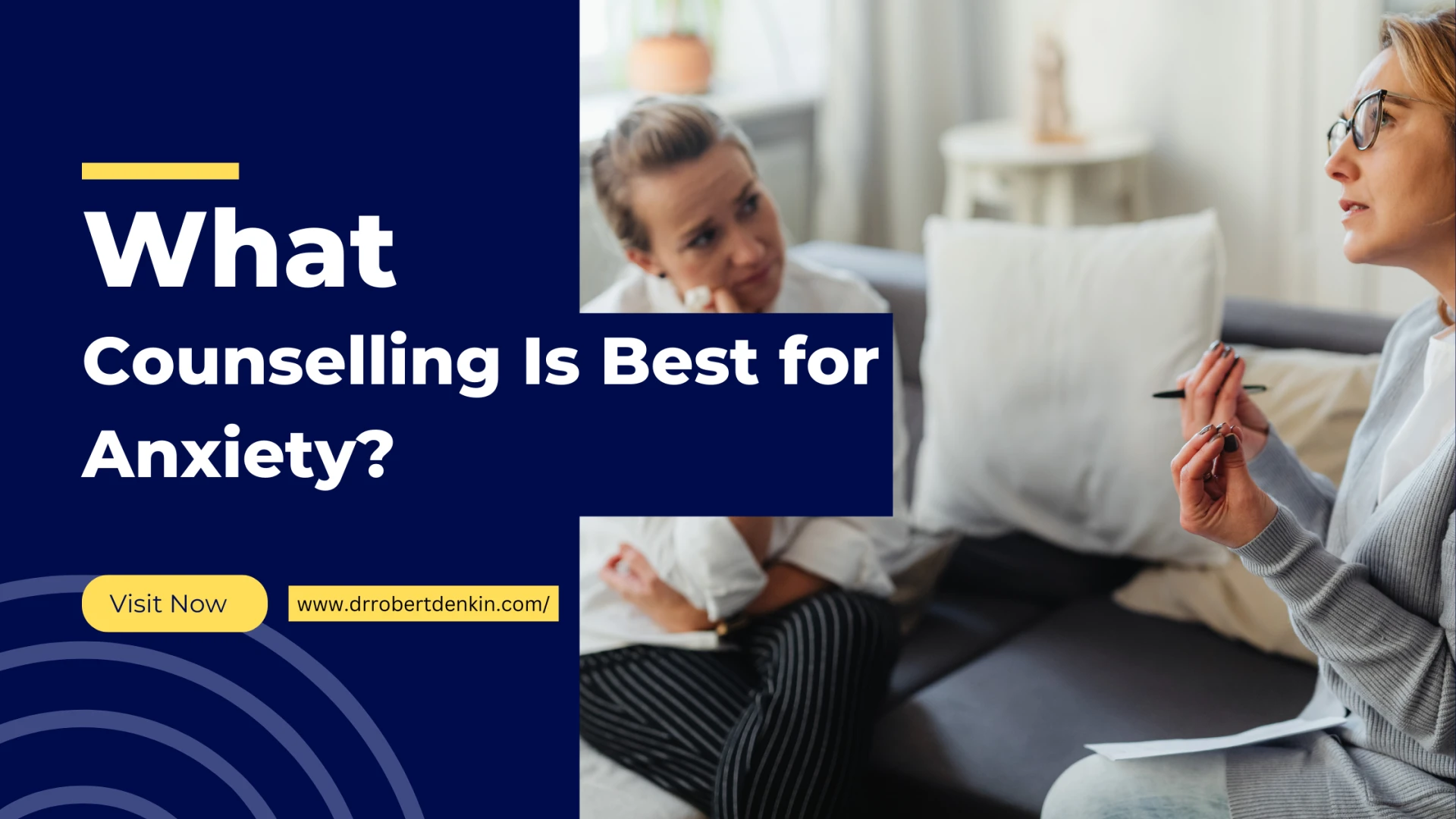

Anxiety is one of the most common mental health challenges today. It can show up as constant worry, racing thoughts, panic attacks, physical tension, sleep problems, or an ongoing feeling of being overwhelmed. While occasional anxiety is normal, chronic anxiety can interfere with daily life, work, relationships, and overall well-being.
If you’re searching for therapists in CT for anxiety, or wondering what type of counselling truly helps, understanding the most effective therapy options can help you choose the right support.
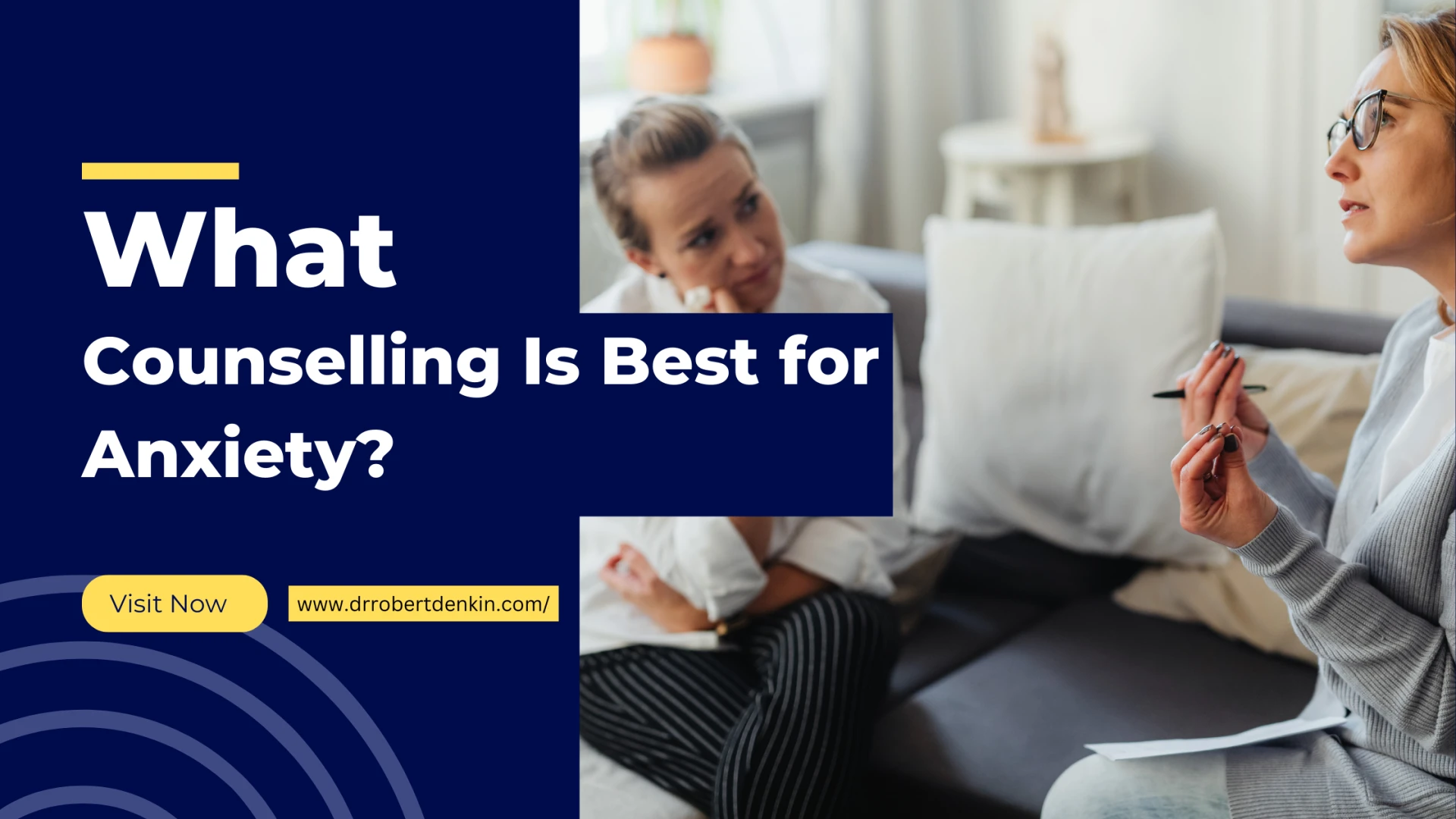
Why Counselling Is Important for Anxiety
Many people try to manage anxiety on their own through willpower, avoidance, or self-help tips. While these can offer short-term relief, anxiety often returns stronger without professional guidance.
Working with an experienced anxiety therapist in CT can help you:
- Understand what triggers your anxiety
- Learn tools to manage anxious thoughts and physical symptoms
- Reduce avoidance and fear-based behaviors
- Build long-term coping skills for stress and uncertainty
Modern counselling focuses not just on reducing symptoms, but also on improving emotional resilience and quality of life.
Types of Counselling That Work Best for Anxiety
1. Cognitive Behavioral Therapy (CBT)
Cognitive Behavioral Therapy is widely considered the most effective and research-backed counselling approach for anxiety disorders.
CBT helps you:
- Identify negative and anxious thinking patterns
- Challenge irrational fears and catastrophic thoughts
- Learn practical coping strategies
- Gradually face feared situations in a safe way
CBT is particularly helpful for generalized anxiety, panic disorder, social anxiety, and phobias. Most anxiety therapists in Connecticut use CBT as a foundational approach.
2. Acceptance and Commitment Therapy (ACT)
Acceptance and Commitment Therapy focuses on changing your relationship with anxiety rather than trying to eliminate every anxious thought.
ACT teaches you to:
- Accept anxious thoughts without fighting them
- Reduce avoidance behaviors
- Focus on values-based actions
- Develop psychological flexibility
ACT works well for individuals who feel stuck in cycles of overthinking, worry, or perfectionism.
3. Mindfulness-Based Therapy
Mindfulness-based counselling helps people become more aware of their thoughts, emotions, and bodily sensations in the present moment.
Benefits include:
- Reduced stress and reactivity
- Better emotional regulation
- Improved focus and calmness
- Less rumination and mental overactivity
This approach is especially effective for anxiety combined with chronic stress or burnout.
4. Dialectical Behavior Therapy (DBT)
DBT is useful for people whose anxiety is intense and emotionally overwhelming.
It helps develop skills in:
- Emotional regulation
- Distress tolerance
- Interpersonal effectiveness
- Mindfulness
DBT-informed therapy can be beneficial for anxiety accompanied by strong emotional swings or difficulty managing stress.
5. Trauma-Focused Therapy (Including EMDR)
When anxiety is linked to past trauma or distressing experiences, trauma-informed counselling may be the best option.
Trauma-focused therapy can:
- Reduce anxiety triggered by memories
- Address the root cause instead of just symptoms
- Improve emotional safety and stability
This approach is particularly helpful for people with PTSD or anxiety that doesn’t improve with traditional talk therapy.
How to Know Which Counselling Is Right for You
The best counselling for anxiety depends on your experiences and symptoms.
- Constant worry and overthinking: CBT or ACT
- Emotional overwhelm or intense reactions: DBT-informed therapy
- Stress and burnout: Mindfulness-based therapy
- Trauma-related anxiety: Trauma-focused counselling or EMDR
- Long-term anxiety affecting relationships and self-esteem: Integrative therapy combining multiple approaches
A skilled anxiety therapist in Connecticut will tailor therapy to your specific needs.
What to Expect from an Anxiety Therapist in CT
When working with experienced therapists in CT for anxiety, therapy typically includes:
- A thorough assessment of symptoms
- Personalized treatment planning
- Evidence-based counselling approaches
- Practical tools you can use in everyday life
- A supportive, confidential environment
Online and telehealth options are also available, making counselling more accessible across Connecticut.
When Should You Seek Counselling for Anxiety?
You may benefit from therapy if:
- Anxiety feels constant or uncontrollable
- You experience frequent panic attacks
- Stress affects your sleep or physical health
- You avoid situations due to fear
- Anxiety interferes with work or relationships
Early support often prevents anxiety from becoming more severe.
Finding the Right Anxiety Therapist in Connecticut
When searching for an anxiety therapist CT, look for:
- Licensed mental health professionals
- Experience treating anxiety and stress
- Evidence-based counselling methods
- A therapist you feel comfortable with
A good therapeutic relationship itself plays a major role in healing.
Final Thoughts
Anxiety is treatable, and the right counselling can make a meaningful difference. Whether through CBT, ACT, mindfulness-based therapy, or trauma-focused approaches, professional counselling helps you gain control over anxiety rather than letting it control you.
If you’re looking for therapists in CT for anxiety or an experienced anxiety therapist in Connecticut, taking the first step toward counselling can lead to lasting emotional relief and improved well-being.

























Sign in to leave a comment.