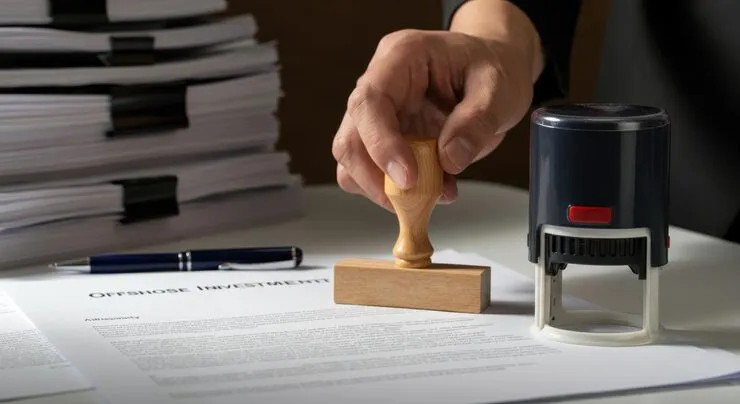

If you’ve ever searched for a notary, you probably expected a simple, quick process. Show up, sign your document, get a stamp, and leave. But when you start looking into mobile notaries, you realize there’s a lot more they can actually do.
A mobile notary isn’t just someone who witnesses signatures. They often provide a range of services that go beyond basic notarization, all while coming directly to your location.
So what exactly is included in mobile notary services? And how do you know what you can expect?
Let’s break it down in a clear, practical way so you understand everything that’s typically covered.
What Are Mobile Notary Public Services?
At the core, mobile notary public services involve a licensed notary traveling to your preferred location to perform notarial acts.
Instead of you going to an office, the notary comes to:
- Your home
- Your office
- A hospital or care facility
- A public place like a café
Many people choose mobile notary public services because they offer flexibility, privacy, and convenience, especially when time or mobility is an issue.
Core Services Included in Mobile Notary Work
Let’s start with the essentials. These are the most common services every mobile notary provides.
1. Witnessing Signatures
This is the primary role of any notary.
They watch you sign the document and confirm that:
- You are signing willingly
- You understand the document
- Your identity is verified
This applies to documents like:
- Contracts
- Agreements
- Legal forms
2. Identity Verification
Before notarizing anything, the notary checks your identification.
Accepted IDs usually include:
- Passport
- Driver’s license
- Government-issued ID
This step ensures the document is legitimate and helps prevent fraud.
Read More - Enhancing Business Efficiency: The Importance of a Traveling Notary in Georgia
3. Administering Oaths and Affirmations
Some documents require you to swear that the information provided is true.
A mobile notary can administer:
- Oaths
- Affirmations
This is commonly required for affidavits and legal declarations.
4. Certifying Copies of Documents
In certain cases, a notary can verify that a copy of a document is a true and accurate reproduction of the original.
This is useful for:
- Educational certificates
- Identification documents
- Business records
Specialized Services You Might Not Know About
Mobile notaries often offer more than just the basics. These additional services can be incredibly helpful depending on your situation.
5. Real Estate and Loan Signing Services
One of the most in-demand services is handling real estate paperwork.
This includes:
- Loan documents
- Mortgage agreements
- Property transfer papers
These documents often require multiple signatures and strict accuracy, making an experienced notary essential.
6. Apostille Assistance
If your documents are going to be used internationally, notarization is often just the first step.
You may also need an apostille, which certifies your document for use in another country.
For example, services related to apostille sacramento help ensure your documents meet international requirements.
While the notary may not issue the apostille themselves, they often guide you through the process and ensure your documents are properly prepared.
7. Hospital and Emergency Notarization
Mobile notaries are often called in urgent or sensitive situations.
This includes:
- Hospital visits
- Nursing homes
- Emergency legal paperwork
In these cases, the notary comes directly to the location, making the process easier for individuals who cannot travel.
8. Business and Corporate Document Notarization
Businesses frequently rely on mobile notaries for:
- Partnership agreements
- Vendor contracts
- Internal legal documents
Having a notary come to the office saves time and keeps operations running smoothly.
9. Coordination With Legal Services
Sometimes notarization is just one part of a larger legal process.
For example, you may need documents delivered or served to another party. In such cases, people often look for services like process servers near me to handle document delivery alongside notarization.
This coordination can simplify complex situations where multiple steps are involved.
What’s Not Included in Mobile Notary Services?
It’s just as important to understand what a notary does not do.
A mobile notary cannot:
- Provide legal advice
- Explain complex legal terms in detail
- Draft or modify documents
- Act as a lawyer
Their role is strictly to verify identity and witness signatures.
The “Mobile” Advantage: What Sets These Services Apart
The biggest difference between mobile notaries and traditional ones is flexibility.
When you search for a traveling notary near me, you’re not just looking for notarization. You’re looking for convenience.
Here’s what makes mobile services stand out:
- They come to your location
- They often offer flexible hours
- They reduce travel and waiting time
- They provide a more private setting
This is especially valuable for busy professionals, families, and anyone dealing with time-sensitive documents.
How the Process Typically Works
If you’ve never used a mobile notary before, here’s what the process usually looks like:
Step 1: Schedule an Appointment
You choose a time and location that works for you.
Step 2: Prepare Your Documents
Make sure everything is complete but unsigned.
Step 3: Meet the Notary
They verify your ID and review the document.
Step 4: Sign in Their Presence
You sign the document while they watch.
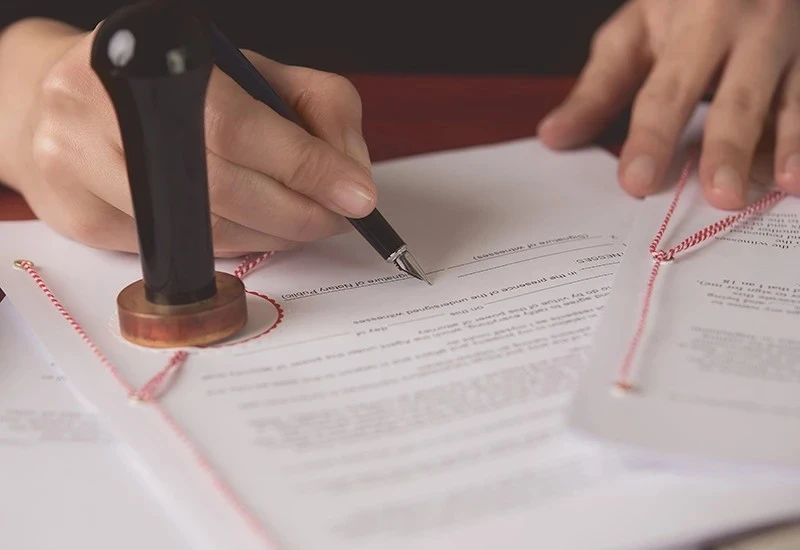
Step 5: Notarization Completed
They apply their seal and signature.
The entire process is usually quick and straightforward.
Common Situations Where These Services Are Used
To give you a better idea, here are some real-life scenarios where mobile notary services are commonly used:
- Finalizing a home purchase
- Handling legal paperwork for a family member
- Preparing documents for international travel or work
- Managing business agreements
- Completing urgent legal forms
In each case, the goal is to make the process easier and more accessible.
Read More - Certified Notaries: Reliability and Convenience
Why More People Are Choosing Mobile Notaries
The demand for mobile notaries has grown significantly in recent years.
Why?
Because people value:
- Convenience
- Time savings
- Flexibility
- Personalized service
Instead of adjusting your schedule, the service adjusts to you.
Conclusion
Mobile notary services go far beyond just stamping documents.
They offer a complete, flexible solution for handling important paperwork in a way that fits your life. From basic notarization to specialized services like loan signings and apostille guidance, they cover a wide range of needs.
Once you understand what’s included, it becomes much easier to know when and how to use them.
And the next time you need a document notarized, you’ll know exactly what to expect and how to get it done without unnecessary hassle.
FAQs
1. What documents can a mobile notary handle?
They can notarize most legal, financial, and personal documents, including contracts, affidavits, and agreements.
2. Do mobile notaries offer same-day service?
Many do, depending on availability and location.
3. Can a mobile notary help with international documents?
They can notarize the documents and guide you on additional steps like apostille if needed.
4. Do I need to prepare anything before the appointment?
Yes, you should have valid ID and complete (but unsigned) documents ready.
5. Is a mobile notary more expensive than a regular notary?
They may charge a travel fee, but the added convenience often makes it worthwhile.



























Sign in to leave a comment.