

Emergencies hit fast. One minute feels normal, the next minute, someone needs help to breathe or keep a pulse. Preparation makes all the difference. If you plan to get Texas CPR Certification, you need clear facts before you sign up. Rules, course types, and skill checks all play a role. So, let’s break it down in plain language. No fluff, just what you really need to know before you jump in.
Why CPR Certification Matters in Texas?
CPR skills save lives. Cardiac arrest can happen at home, work, or even on the street. Quick action keeps blood flowing to the brain. In Texas, employers in healthcare, childcare, and public safety expect valid certification. Beyond job needs, certification builds confidence. You won’t freeze in a crisis. You’ll know what to do, step by step. Plus, Texas follows national safety guidelines, so your training stays relevant across states.
What Types of CPR Courses Are Available?
Not all courses look the same. Your choice depends on your goal. Some people need basic life support. Others just want general knowledge for family safety.
Here are the main course options:
- Basic CPR and AED Training : Covers chest compressions, rescue breaths, and automated external defibrillator use. Ideal for the general public and workplace needs.
- Healthcare Provider CPR : Designed for nurses, EMTs, and clinical staff. Focuses on team response and advanced techniques.
- Pediatric CPR : Teaches how to handle infants and children. Great for parents, teachers, and babysitters.
Blended Learning CPR : Combines online lessons with in-person skills testing. Flexible for busy schedules.
Each option leads to CPR certification in Texas, though course depth varies. Choose wisely based on your role.
What Are the Legal and State Requirements?
Texas does not issue a single state-run CPR license. Instead, certification comes from recognized organizations. Employers usually accept credentials from groups like the American Heart Association or the Red Cross. Still, some industries follow strict compliance rules. For example, daycare workers must renew certification at set intervals. Healthcare roles may require Basic Life Support instead of standard CPR. Always check job-specific requirements before enrolling. It saves time and avoids retakes.
How Long Does Certification Last?
Most CPR certifications stay valid for two years. After that, you need renewal. Skills fade with time, so refresh training keeps you sharp. Renewal courses take less time than first-time classes. Still, they include hands-on testing. You must show proper technique to pass.
Keep an eye on your expiration date. Missing it can delay job eligibility or compliance checks.
What Will You Learn in a CPR Course?
Training covers more than just chest compressions. It builds a full response mindset.
Key learning areas include:
- Recognizing cardiac arrest signs
- Performing high-quality chest compressions
- Giving rescue breaths safely
- Using an AED device
- Handling choking emergencies
Working as part of a response team
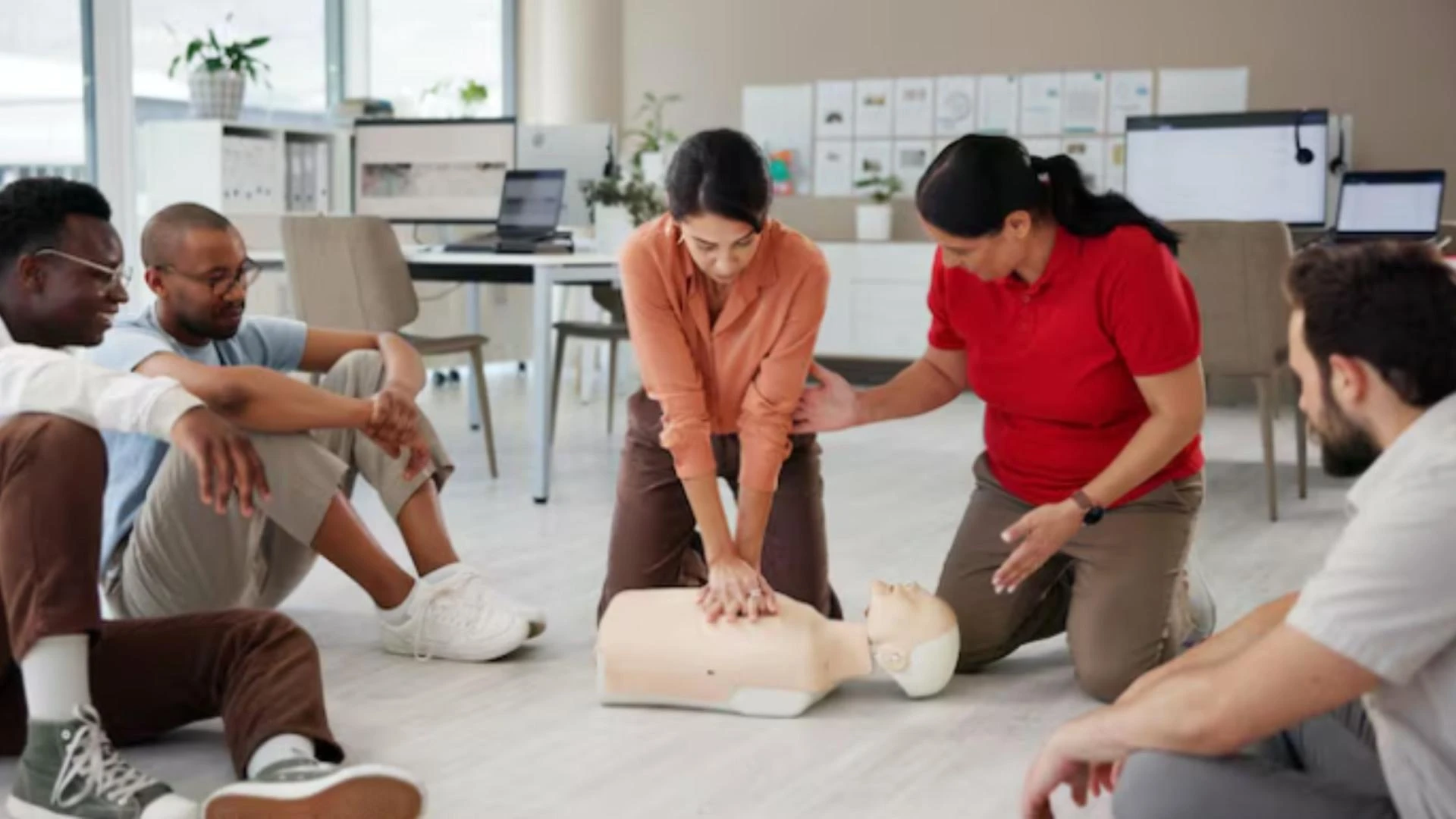
Instructors focus on real-life scenarios. You practice until movements feel natural. By the end, you gain both skill and confidence.
How to Choose the Right Training Provider?
Picking a provider matters more than people think. A solid course builds real skill, not just a certificate.
Look for these factors:
- Accreditation from recognized organizations
- Experienced instructors with real-world knowledge
- Hands-on practice sessions
- Clear certification process
Flexible scheduling options
Avoid ultra-fast courses with no practice. CPR requires muscle memory, not just theory.
Online vs In-Person CPR Training
Online learning sounds easy, but it has limits. You can learn theory through videos and modules. Still, hands-on testing remains essential. In Texas, a valid CPR certification usually requires an in-person skills check. Blended courses strike a good balance. You study at your own pace, then attend a short practical session.
If your job demands certification, confirm format acceptance before enrolling.
Common Mistakes to Avoid
People rush into certification without checking details. A few simple mistakes can cause trouble later.
- Choosing unrecognized providers
- Skipping hands-on practice
- Letting certification expire
Ignoring job-specific requirements
Take your time. A well-chosen course saves effort in the long run.
Tips to Prepare Before Your CPR Class
Preparation helps you get more from your training. You don’t need medical knowledge, but a little groundwork goes a long way. Read basic CPR steps online. Watch a demo video. Wear comfortable clothes for practice. Stay focused during sessions. Ask questions if something feels unclear. Confidence builds through repetition. So, treat practice seriously.
How CPR Certification Help Your Career?
CPR skills boost employability. Employers value candidates who can handle emergencies. Roles in healthcare, education, fitness, and security require certification. Even in office settings, CPR training stands out. It shows responsibility and readiness. In competitive job markets, small advantages matter. With Texas CPR Certification, you open doors to more roles and build trust with employers.
Final Thought
Getting CPR certified in Texas is not just a checkbox. It’s a life skill. You learn how to act when seconds count. From course selection to renewal, each step matters. Choose a trusted provider, commit to hands-on practice, and stay updated with renewals. With the right approach, CPR certification in Texas becomes more than a credential. It becomes a skill you carry for life.























Sign in to leave a comment.