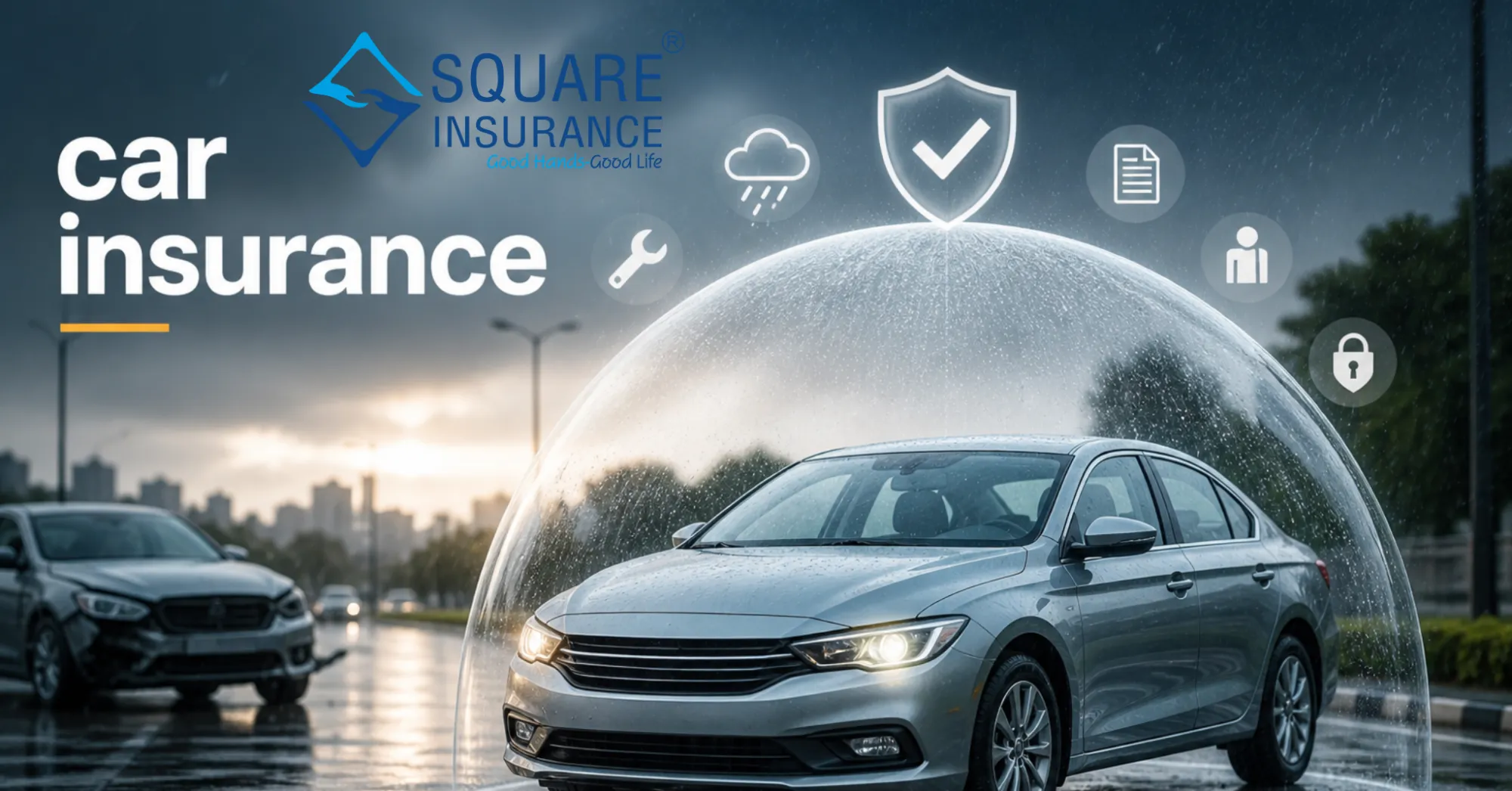

Car insurance is designed to protect you financially when unexpected events happen on the road. Whether you're involved in an accident, your car is stolen, or a hailstorm damages your vehicle, the right insurance policy can help cover the costs. However, many drivers mistakenly believe that every type of damage is automatically covered. In reality, your protection depends on the coverage options included in your policy.
Understanding what car insurance actually covers is essential before buying or renewing a policy. It helps you choose the right level of protection, avoid costly surprises, and make informed decisions about your coverage.
Why Understanding Your Car Insurance Matters
Car ownership comes with risks that can quickly become expensive. A minor collision may cost hundreds of dollars to repair, while a serious accident could result in medical bills, legal expenses, and vehicle replacement costs. Insurance helps reduce these financial burdens, but only if the incident falls within the scope of your policy.
Reading your policy carefully and knowing the purpose of each coverage type can save you money and prevent misunderstandings when it's time to file a claim.
Liability Insurance Covers Damage You Cause to Others
Liability insurance is the most basic form of car insurance and is legally required in many countries and states. It protects you when you're responsible for an accident by paying for injuries or property damage suffered by other people.
If you accidentally rear-end another vehicle, liability insurance can pay for the other driver's medical treatment, repair their vehicle, and even cover legal expenses if they file a lawsuit against you. However, liability insurance does not pay for repairs to your own vehicle or your own medical expenses.
For most drivers, liability coverage forms the foundation of an insurance policy, but it is only one piece of complete financial protection.
Collision Coverage Pays for Damage to Your Vehicle
Collision coverage helps repair or replace your own vehicle after an accident, regardless of who caused it. Whether you collide with another car, hit a guardrail, strike a tree, or accidentally back into a wall, this coverage helps pay for the damage after your deductible has been applied.
Imagine losing control of your vehicle on a rainy road and crashing into a utility pole. Without collision coverage, you would likely have to pay the repair costs yourself. With collision insurance, your insurer can cover eligible repair expenses according to your policy terms.
This type of coverage is especially valuable for newer vehicles or cars with significant market value.
Comprehensive Insurance Protects Against Non-Collision Damage
Not every claim involves an accident with another vehicle. Comprehensive insurance covers many unexpected events that occur outside of collisions.
For example, if your car is stolen, damaged by a fire, flooded during heavy rain, vandalized, or struck by a falling tree branch, comprehensive coverage generally helps pay for repairs or replacement. It also commonly covers broken windshields, hail damage, and collisions with animals.
Because these incidents are often unpredictable, comprehensive insurance provides peace of mind for drivers who want broader protection against everyday risks.
Personal Injury Protection (PIP)
Personal Injury Protection, often called PIP, focuses on medical expenses after an accident. Unlike liability insurance, which pays for injuries to other people when you're at fault, PIP can cover your own medical costs regardless of who caused the collision.
Depending on where you live and your insurance policy, Personal Injury Protection may also help pay for rehabilitation, lost income, childcare expenses during recovery, and funeral costs following a serious accident.
PIP is particularly valuable in areas with no-fault insurance laws.
Medical Payments Coverage (MedPay)
Medical Payments Coverage, commonly known as MedPay, is another option that helps cover medical expenses after an accident. Although similar to Personal Injury Protection, it usually provides more limited benefits.
MedPay often covers ambulance fees, emergency room visits, surgery, hospital stays, X-rays, and other necessary medical treatments for you and your passengers, regardless of fault.
Uninsured and Underinsured Motorist Coverage
Not every driver carries enough insurance to pay for the damage they cause. If you're involved in an accident with someone who has little or no insurance, uninsured or underinsured motorist coverage can provide valuable financial protection.
This coverage may help pay for medical bills, lost wages, and, in some locations, vehicle repairs. Without it, recovering compensation from an uninsured driver can be difficult and time-consuming.
Optional Coverages That Add Extra Protection
Many insurance companies offer optional coverages that can make your policy more comprehensive. These add-ons aren't required, but they can provide additional convenience and financial security depending on your driving habits.
Some popular optional coverages include:
- Roadside assistance for towing, jump-starts, flat tires, and lockout services.
- Rental car reimbursement while your vehicle is being repaired after a covered claim.
- Gap insurance for financed or leased vehicles that lose value faster than the loan balance.
- Glass coverage for windshield repairs or replacement.
- Accident forgiveness, which may prevent your premium from increasing after your first at-fault accident.
- Rideshare insurance if you drive for services like Uber or Lyft.
Although optional coverages increase your premium, they can significantly reduce unexpected expenses when something goes wrong.
What Car Insurance Usually Doesn't Cover
One of the biggest misconceptions about car insurance is that it covers every type of damage. In reality, standard policies contain several exclusions.
Most car insurance policies do not cover routine maintenance, mechanical failures caused by normal wear and tear, oil changes, brake replacements, or engine repairs unrelated to an accident. Damage caused intentionally, racing, illegal activities, or using a personal vehicle for commercial purposes without the proper endorsement is also typically excluded.
Additionally, personal belongings such as laptops, mobile phones, and bags stolen from inside your vehicle are generally not covered by auto insurance. These items may instead be protected under a homeowners or renters insurance policy.
Understanding these exclusions helps you know when insurance will—and won't—provide financial assistance.
Real-Life Examples of Covered Claims
Consider a few common situations that drivers face every day.
If you accidentally hit another vehicle at an intersection, liability insurance helps pay for the other driver's injuries and vehicle repairs, while collision coverage pays for damage to your own car if you purchased it.
If your parked vehicle is stolen overnight, comprehensive insurance can compensate you for the vehicle's value, subject to your deductible and policy limits.
If a severe hailstorm dents your roof and cracks your windshield, comprehensive coverage usually pays for the repairs because the damage wasn't caused by a collision.
If an uninsured driver crashes into your vehicle, uninsured motorist coverage can help pay for eligible medical expenses and other covered losses.
These examples show why having multiple types of coverage often provides better financial protection than carrying only the minimum required insurance.
Choosing the Right Coverage for Your Needs
The best insurance policy depends on your vehicle, budget, driving habits, and financial situation. Drivers with newer or financed vehicles often benefit from carrying both collision and comprehensive coverage, while those with older vehicles may decide that liability coverage alone is sufficient.
You should also consider your deductible, coverage limits, and optional endorsements before purchasing a policy. Choosing the cheapest insurance isn't always the best decision if it leaves you financially exposed after a serious accident.
Reviewing your policy every year ensures your coverage continues to match your changing needs.
Common Mistakes Drivers Make
Many insurance problems occur because drivers misunderstand their policies rather than because claims are denied unfairly.
Common mistakes include:
- Assuming "full coverage" means every situation is covered.
- Buying only the legal minimum insurance without considering personal financial risk.
- Choosing a deductible that's too expensive to pay after an accident.
- Ignoring policy exclusions before filing a claim.
- Forgetting to update coverage after purchasing a new vehicle or changing how the car is used.
Avoiding these mistakes can make your insurance far more valuable when you need it most.
Frequently Asked Questions
Does car insurance cover engine failure?
Generally, no. Mechanical failures caused by normal wear and tear aren't covered unless they result directly from a covered event.
Does insurance cover a stolen vehicle?
Yes. Comprehensive insurance usually covers vehicle theft, subject to your deductible and policy terms.
Is flood damage covered?
Yes. Flood damage is typically covered under comprehensive insurance.
Does insurance pay for windshield replacement?
In many cases, yes. Comprehensive coverage or optional glass coverage often pays for windshield repairs or replacement.
What does "full coverage" actually mean?
Full coverage isn't an official insurance term. It usually refers to a policy that combines liability, collision, and comprehensive insurance, but it still includes exclusions and coverage limits.
Should I keep collision coverage on an older vehicle?
It depends on your vehicle's value and your financial situation. If repair costs could exceed the car's market value, you may decide collision coverage is no longer worthwhile.
Conclusion
Car insurance is much more than a legal requirement—it's an important financial safety net that protects you from unexpected expenses caused by accidents, theft, weather, and other covered events. However, no single policy covers every situation. Liability insurance protects others when you're at fault, collision coverage pays for damage to your own vehicle after an accident, and comprehensive insurance covers many non-collision risks like theft, vandalism, and natural disasters.
Before purchasing or renewing your policy, take time to understand your coverage limits, deductibles, and exclusions. Choosing the right combination of coverages ensures you're better prepared for life's unexpected events and helps protect both your finances and your peace of mind.





















Sign in to leave a comment.