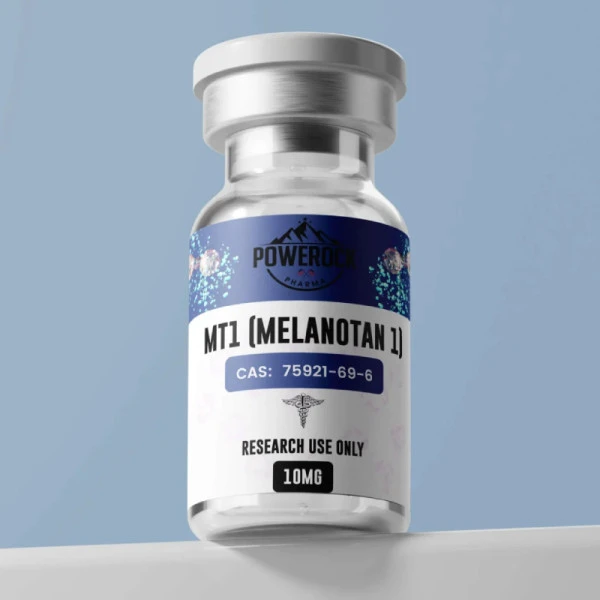

Melanotan-1 (MT-1) is a synthetic peptide that has gained attention in scientific and dermatological research for its potential role in stimulating skin pigmentation and protecting against UV damage. Many research suppliers now offer formulations such as mt1 nasal spray to support laboratory studies on peptide delivery methods and melanocortin receptor activity. Companies like Behemoth Labz provide these compounds strictly for research purposes, not for human consumption or clinical use.
Understanding the MT-1 Peptide
MT-1, also known as Afamelanotide, is a synthetic analogue of the naturally occurring hormone alpha-melanocyte-stimulating hormone (α-MSH). This hormone interacts with melanocortin receptors in the body, particularly the MC1 receptor, which plays a key role in regulating melanin production in the skin.
In research environments, MT-1 is studied for its potential to increase melanin levels by stimulating melanocytes, the cells responsible for producing pigment. This process is of interest to scientists investigating UV protection, pigmentation disorders, and skin biology.
Mechanism of Action
MT-1 works by mimicking the activity of α-MSH and binding to melanocortin receptors. Once activated, these receptors trigger biological pathways that increase melanin synthesis in melanocytes.
Researchers study MT-1 because melanin has natural photoprotective properties. Higher melanin levels can absorb ultraviolet radiation and reduce potential damage to skin cells. This mechanism makes MT-1 an interesting subject in studies focused on UV resistance and skin protection.
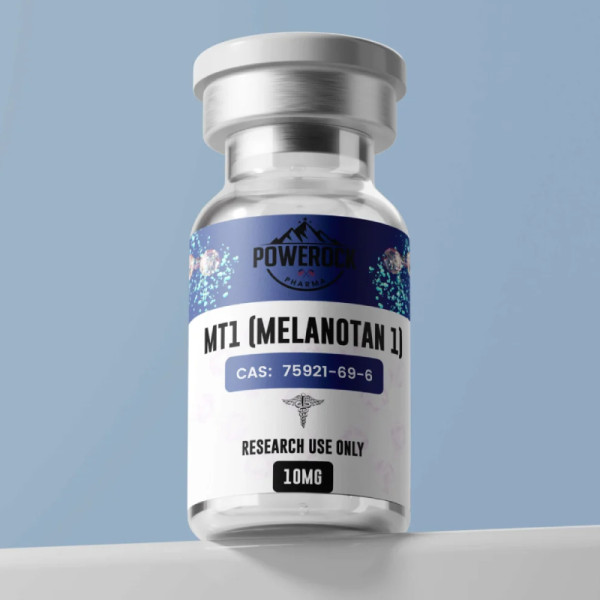
Potential Research Applications
MT-1 peptide is often investigated in several scientific areas, including:
1. Skin Pigmentation Studies
Researchers explore how MT-1 influences melanin production and skin darkening mechanisms.
2. UV Protection Research
Because melanin helps absorb ultraviolet radiation, MT-1 is studied for its possible role in improving cellular defense against UV exposure.
3. Dermatological Research
Scientists investigate how melanocortin receptor activation may help better understand pigmentation disorders.
4. Peptide Delivery Methods
Alternative research formats such as nasal delivery systems are sometimes explored to analyze absorption and stability of peptides.
Differences Between MT-1 and Other Melanotan Peptides
MT-1 is often compared with Melanotan-2 (MT-2), but the two peptides have different receptor interactions and biological profiles. MT-1 tends to show a more targeted effect on the MC1 receptor, which is primarily linked to pigmentation. This specificity makes it a valuable compound in studies focusing on controlled melanin production.
Safety and Research Notice
All MT-1 peptide products supplied by Behemoth Labz are intended strictly for laboratory and scientific research purposes only. These compounds are not approved for human consumption, medical use, or therapeutic applications. Researchers should ensure that all experiments comply with appropriate laboratory safety standards and regulatory guidelines.
Conclusion
MT-1 peptide continues to attract attention in scientific research due to its interaction with melanocortin receptors and its role in melanin production pathways. By studying compounds like MT-1, researchers aim to better understand skin pigmentation biology, UV protection mechanisms, and peptide receptor signaling.
Products such as MT-1 formulations offered by Behemoth Labz are supplied exclusively for research and laboratory investigation, ensuring they are used only in controlled scientific environments and not for human use.
























Sign in to leave a comment.