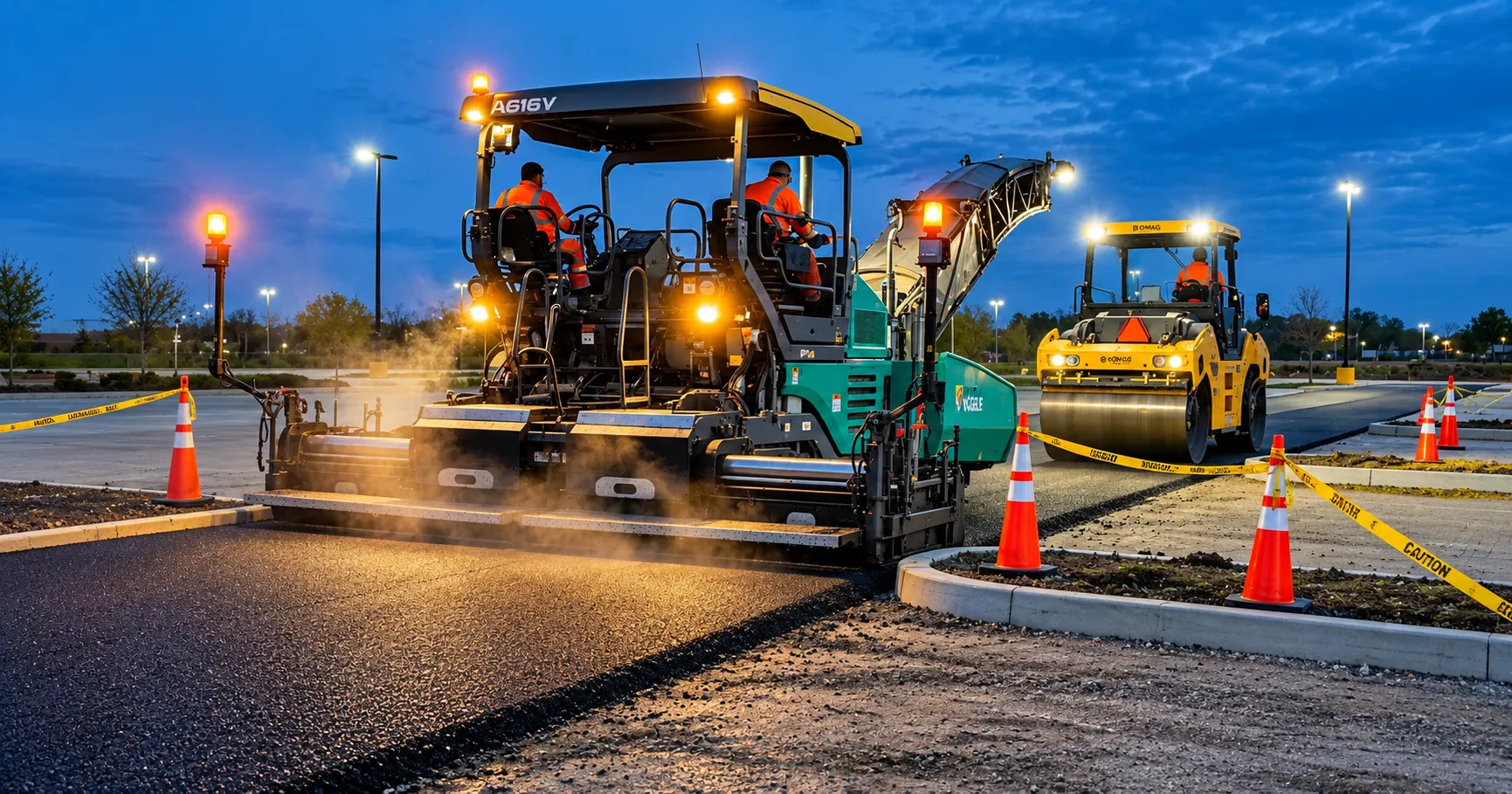
A parking lot does more than give vehicles a place to park. It supports daily traffic, improves property access, and shapes the first impression of a business. A skilled parking lot contractor in Troy handles the planning, construction, repair, and maintenance work that keeps parking areas safe, strong, and easy to use.
What Is a Parking Lot Contractor?
A parking lot contractor specializes in building, repairing, and maintaining parking areas for commercial and residential properties. These professionals understand how different surfaces, drainage needs, traffic levels, and site conditions affect parking lot performance.
Instead of treating a parking lot as a simple paved surface, a contractor looks at the entire project. They plan the layout, prepare the ground, install the right surface, manage drainage, and address damage when problems appear.
A professional contractor may handle services such as:
- Parking lot design and layout
- Site preparation and grading
- Asphalt or concrete installation
- Parking lot repairs
- Crack filling and sealing
- Pothole repair
- Resurfacing and replacement
- Drainage improvements
- Parking lot striping
- Routine maintenance
Each service plays an important role in protecting the surface and making the parking area safer.
Planning and Site Evaluation
Good parking lots start with careful planning. Before construction begins, a contractor evaluates the property and identifies conditions that could affect the project.
The contractor may check:
- Soil and ground conditions
- Existing pavement damage
- Water drainage patterns
- Traffic volume
- Parking space requirements
- Entry and exit points
- Slope and grading needs
- Local site requirements
This step helps the contractor choose suitable materials and construction methods. It also reduces the risk of drainage problems, uneven surfaces, and premature damage.
A well-planned parking lot should give drivers enough room to enter, park, turn, and leave without unnecessary difficulty.
Preparing the Ground
Surface installation cannot succeed without proper preparation. The contractor first prepares the area beneath the pavement.
This process may include removing damaged materials, clearing the site, grading the ground, and creating a stable base. The contractor then compacts the base to provide support for the finished surface.
Poor ground preparation can create serious problems later. Weak areas may settle, cracks may develop, and water may collect in low spots.
Proper preparation gives the parking lot a stronger foundation and helps the surface handle regular vehicle traffic.
Installing Asphalt or Concrete
After preparing the site, the contractor installs the selected parking lot surface. Property owners may choose asphalt, concrete, or another suitable material based on their needs, budget, traffic levels, and property conditions.
Asphalt offers a practical option for many parking areas because contractors can install and repair it efficiently. Concrete can provide a strong, durable surface for areas that experience heavy use.
The contractor considers factors such as:
- Expected traffic
- Vehicle weight
- Weather conditions
- Drainage requirements
- Maintenance needs
- Project budget
- Long-term performance
The right choice depends on the property rather than a one-size-fits-all solution.
Repairing Parking Lot Damage
Parking lots face constant pressure from vehicles, weather, water, and temperature changes. Small problems can grow when property owners ignore them.
A parking lot contractor can identify and repair issues such as cracks, potholes, damaged edges, and worn sections.
For example, cracks can allow water to reach deeper layers of the pavement. Over time, that moisture can weaken the structure and create larger damage.
Common repair services include:
- Crack repair
- Pothole repair
- Surface patching
- Edge repair
- Damaged section replacement
- Resurfacing
Early repairs often help property owners avoid more expensive reconstruction later.
Improving Drainage
Water creates one of the biggest threats to parking lot performance. When water remains on the surface, it can weaken pavement and speed up deterioration.
A contractor considers drainage during both new construction and repair projects. Proper grading helps direct water away from the parking surface. Drainage systems can also help move rainwater toward suitable collection or discharge areas.
Signs of a possible drainage problem include:
- Standing water after rain
- Water flowing toward buildings
- Repeated pavement damage in the same area
- Soil erosion near pavement edges
- Soft or sinking sections
Addressing these problems early can protect the parking lot and surrounding property.
Parking Lot Striping and Markings
A parking lot needs clear markings to guide drivers and organize available space. Contractors can add or refresh parking lines, accessible parking spaces, arrows, stop lines, and other pavement markings.
Fresh striping can make a parking area easier to navigate. It can also help businesses use their available space more efficiently.
Clear markings should support safe vehicle movement while giving pedestrians predictable paths through the property.
Resurfacing and Parking Lot Replacement
Not every damaged parking lot needs complete replacement. A contractor can inspect the surface and determine whether repairs or resurfacing can restore its condition.
Resurfacing adds a new layer over a properly prepared existing surface. This approach can improve appearance, smooth minor surface problems, and extend the useful life of the parking area.
However, severe structural damage may require replacement. A professional assessment helps property owners choose the right solution instead of spending money on work that will not address the underlying problem.
Why Professional Parking Lot Work Matters
Hiring a parking lot contractor can help property owners manage both immediate problems and long-term pavement needs.
Professional work can provide several benefits:
- Better surface durability
- Improved drainage
- Safer vehicle movement
- Clearer parking organization
- Better property appearance
- Fewer recurring pavement problems
- More predictable maintenance costs
A well-maintained parking lot also creates a better experience for customers, employees, tenants, and visitors.
When Should You Call a Contractor?
Property owners should not wait until a parking lot develops major damage. Regular inspections can identify small issues before they become costly repairs.
Consider contacting a contractor when you notice:
- New or expanding cracks
- Multiple potholes
- Faded parking lines
- Uneven pavement
- Standing water
- Crumbling pavement edges
- Areas that sink under vehicle traffic
- Large sections with surface deterioration
A timely inspection can help determine whether the property needs simple repairs, maintenance, resurfacing, or replacement.
Final Thoughts
A parking lot contractor does much more than install pavement. These professionals manage the complete process, from site evaluation and ground preparation to surface installation, repairs, drainage, striping, and maintenance.
Working with an experienced parking lot contractor in Troy can help property owners protect their investment and maintain a safer, cleaner, and more functional parking area. Regular care also helps prevent small pavement issues from turning into major construction projects.
FAQs
1. How do I know if my parking lot needs repair or replacement?
A contractor can inspect the pavement and check the depth and spread of the damage. Small cracks and potholes may need repairs, while widespread structural problems may require resurfacing or complete replacement.
2. How often should a parking lot receive maintenance?
The ideal schedule depends on traffic, weather, surface type, drainage, and the condition of the pavement. Regular inspections can help property owners identify problems early and create a practical maintenance plan.
3. Can a contractor fix drainage problems in an existing parking lot?
Yes. A contractor can inspect grading, identify areas where water collects, and recommend suitable drainage improvements. The solution may involve correcting slopes, improving drainage systems, or repairing affected pavement.
4. Is parking lot resurfacing better than replacing the entire lot?
Resurfacing can work well when the existing pavement still has a stable foundation and limited structural damage. Severe base problems may require replacement. A professional inspection can help determine the better option.
5. What should I look for when choosing a parking lot contractor?
Look for a contractor with relevant experience, clear project details, proper insurance, good communication, and a history of quality work. Ask about the proposed materials, preparation process, drainage plan, repairs, and maintenance recommendations.




















Sign in to leave a comment.