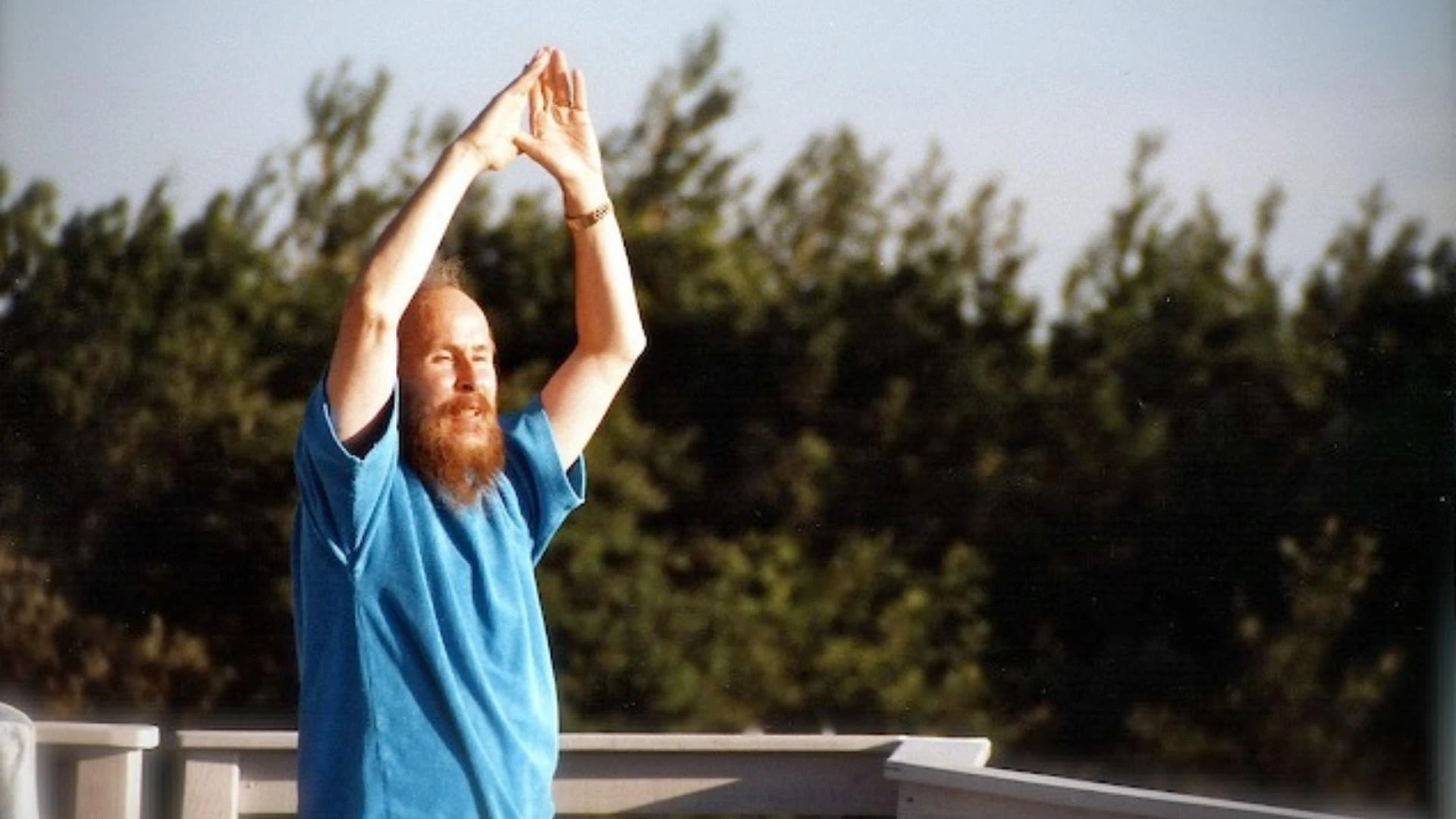

Why do so many seekers, from different cultures and walks of life, feel drawn toward an ancient yogic path that asks for discipline, sincerity, and patience? It is not a trend or a quick fix. It is something quieter and deeper. Many arrive with curiosity. Some come with unanswered questions. Others are simply tired of noise and want clarity. This blog explores that pull with an honest lens, staying grounded in fact while allowing space for lived experience and reflection.
The First Spark of Curiosity
For many seekers, the journey begins with reading, listening, or hearing a quiet recommendation from someone they trust. In several cases, it begins with a book that feels less like instruction and more like a conversation with the soul. The Mahavatar Babaji Kriya Yoga tradition often enters a person’s life through reflective study, and the Mahavatar Babaji Book plays a meaningful role in this early stage. It introduces the lineage, the philosophy, and the responsibility that comes with sincere practice. Readers often pause and think, “This feels familiar, even if I cannot explain why.”
A Path That Respects Intelligence and Experience
One reason seekers stay is that the system does not demand blind belief. Questions are welcome. Doubts are expected. The teachings emphasize self-effort paired with awareness. This balance speaks to modern minds that value both reason and experience. Instead of asking people to escape life, the practice invites them to engage with it more consciously. Daily responsibilities are not obstacles. They are part of the practice.
A quiet reminder often shared among practitioners is this simple idea.
“Awareness changes the quality of every action.”
It sounds simple. Living it takes commitment.
Personal Practice Over Public Display
Another draw is the absence of spiritual showmanship. There is no pressure to perform, preach, or display progress. The focus remains personal and inward. Progress is measured by clarity, stability, and conduct, not by claims or titles. This appeals to seekers who want depth without noise. Many quietly appreciate that their journey remains their own.
A common question arises here. Can a spiritual path fit into a busy modern life? The answer, offered gently through practice, is yes. But it asks for honesty about priorities.
What Seekers Commonly Discover Along the Way
Instead of dramatic promises, practitioners often notice gradual changes that feel practical and grounded. These are not instant transformations. They are steady adjustments that shape daily living.
Common experiences shared by practitioners include:
- Improved emotional balance during stressful situations
- A calmer response to conflict and uncertainty
- Greater consistency in personal discipline
- Increased self-observation without self-judgment
- A clearer sense of purpose in everyday actions
These changes may not impress an audience, but they deeply support inner stability.
Lineage, Responsibility, and Trust
Another important factor is the emphasis on lineage and responsibility. The teachings are not presented as a personal invention or a modern remix. They are shared as part of a living tradition that values accuracy and continuity. This builds trust. Seekers understand that they are entering something preserved with care.
At this stage, many revisit texts they encountered earlier. The Mahavatar Babaji Book often gains new meaning when read alongside personal practice. What once felt philosophical begins to feel practical. What seemed abstract becomes relatable through daily effort.
The Role of Community Without Dependency
While the journey is personal, it is not isolating. Practitioners value a sense of shared intention without emotional dependency. There is encouragement, not comparison. Guidance exists, but self-responsibility remains central. This balance helps seekers grow without losing autonomy.
A light moment often shared among long time practitioners is this.
“If awareness were easy, everyone would be enlightened before breakfast.”
It brings a smile, and a reminder to stay patient.
Addressing the Quiet Questions
Is this path only for monks or renunciates? No.
Does it require giving up ordinary life? Not at all.
Is progress guaranteed? Only effort is guaranteed.
These honest answers matter. Seekers appreciate transparency more than promises. The teachings respect the intelligence of the individual and emphasize that real growth cannot be rushed.
Final Remarks
Babaji’s Kriya Yoga continues to attract seekers because it offers something rare. It respects tradition without becoming rigid. It supports modern life without diluting depth. From an observer’s perspective, the appeal lies not in spectacle, but in steadiness. Those who walk this path often do so quietly, guided by practice rather than proclamation. Over time, the discipline shapes clarity, responsibility, and inner order. That steady influence, rather than any outward promise, is what continues to draw sincere seekers toward this timeless yogic science.





























Sign in to leave a comment.