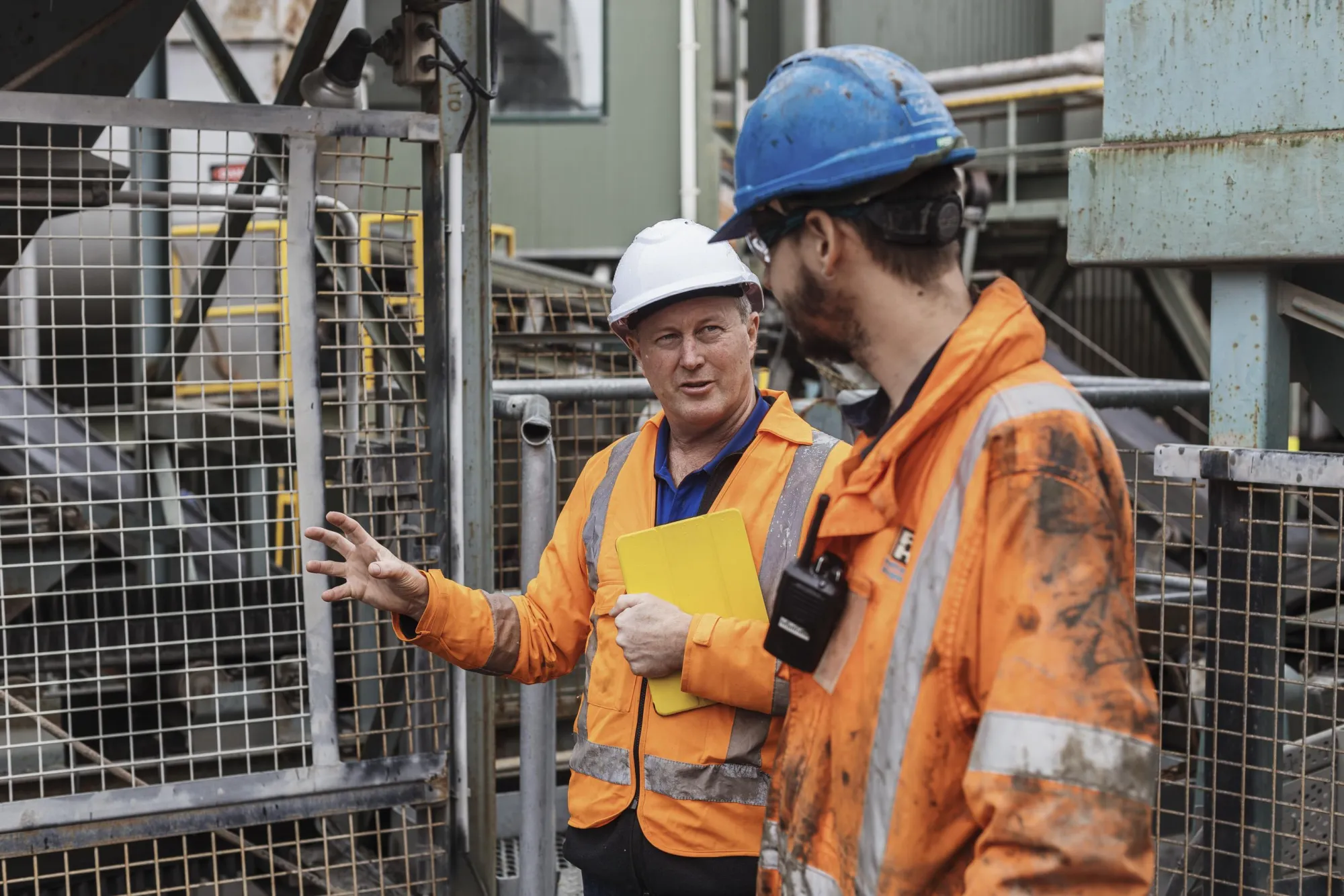

Health and safety are at the core of every successful construction project. Whether operating heavy machinery or supervising work on-site, construction professionals must follow strict safety procedures to protect themselves and those around them. This is where CPCS Training Courses play a vital role. They equip plant operators with the knowledge, practical skills, and safety awareness needed to work confidently and responsibly in a demanding environment.
Understanding CPCS health and safety standards is essential for anyone looking to build a career in the construction industry. These standards not only help reduce workplace accidents but also ensure that operators meet industry expectations and legal requirements.
What Are CPCS Health and Safety Standards?
The Construction Plant Competence Scheme (CPCS) sets recognised standards for plant operators across the UK construction industry. The scheme assesses both practical competence and theoretical knowledge, with a strong emphasis on health and safety.
Through CPCS Training Courses, candidates learn how to operate construction equipment safely while following established industry procedures. The goal is to minimise risks, prevent accidents, and promote a culture of safety on every construction site.
Health and safety standards apply to all stages of plant operation, from conducting pre-use inspections to shutting down equipment safely at the end of a task.
Why Health and Safety Are Essential in Construction
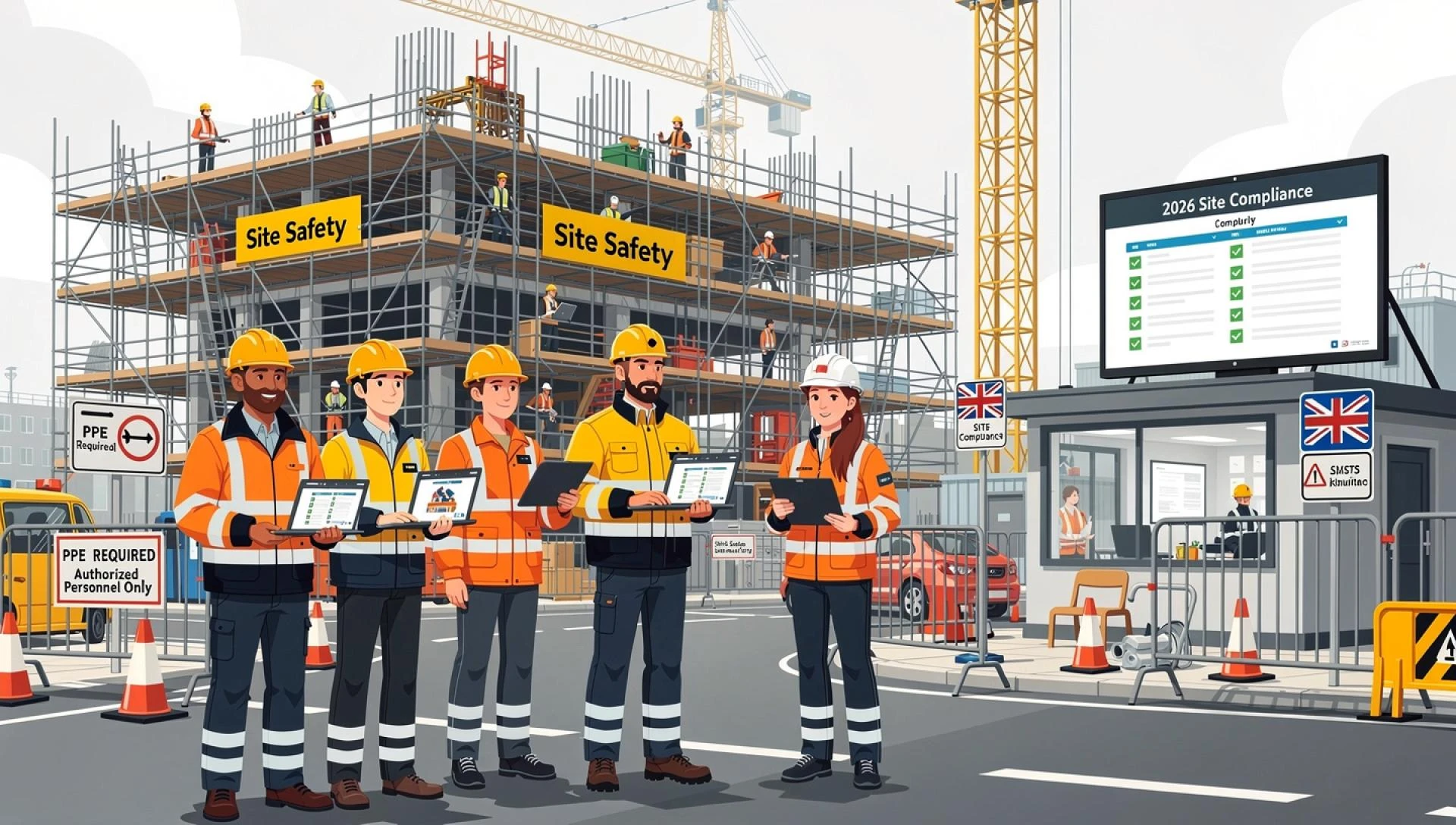
Construction sites are dynamic environments where multiple activities take place simultaneously. Heavy machinery, moving vehicles, elevated work areas, and changing weather conditions can all create potential hazards.
Following health and safety standards helps to:
- Protect workers from injury.
- Reduce the likelihood of accidents.
- Prevent equipment damage.
- Improve productivity.
- Support compliance with workplace regulations.
- Create a safer environment for everyone on-site.
By completing CPCS Training Courses, operators develop the knowledge needed to recognise hazards and respond appropriately before problems occur.
Key Health and Safety Topics Covered in CPCS Training Courses
A major focus of CPCS Training Courses is helping candidates understand safe working practices. Training combines classroom-based learning with practical instruction to prepare operators for real construction environments.
Common topics include:
Risk Assessment
Operators learn how to identify potential hazards before starting work. This includes assessing ground conditions, nearby workers, overhead obstacles, underground services, and weather conditions.
Conducting a proper risk assessment helps prevent incidents before machinery is put into operation.
Safe Equipment Operation
Every piece of plant machinery has specific operating procedures. Training covers:
- Correct start-up and shutdown procedures.
- Safe manoeuvring techniques.
- Load handling practices.
- Stability and balance.
- Operating within equipment limits.
- Safe parking procedures.
Understanding these principles helps operators work efficiently while reducing unnecessary risks.
Daily Equipment Inspections
Before using any machinery, operators are expected to carry out routine inspections.
During CPCS Training Courses, candidates learn how to check:
- Brakes and steering systems.
- Hydraulic components.
- Tyres or tracks.
- Safety devices.
- Warning alarms.
- Fluid levels.
- Visible signs of damage or wear.
Identifying faults before operation helps prevent mechanical failures that could lead to accidents.
Understanding Personal Protective Equipment (PPE)
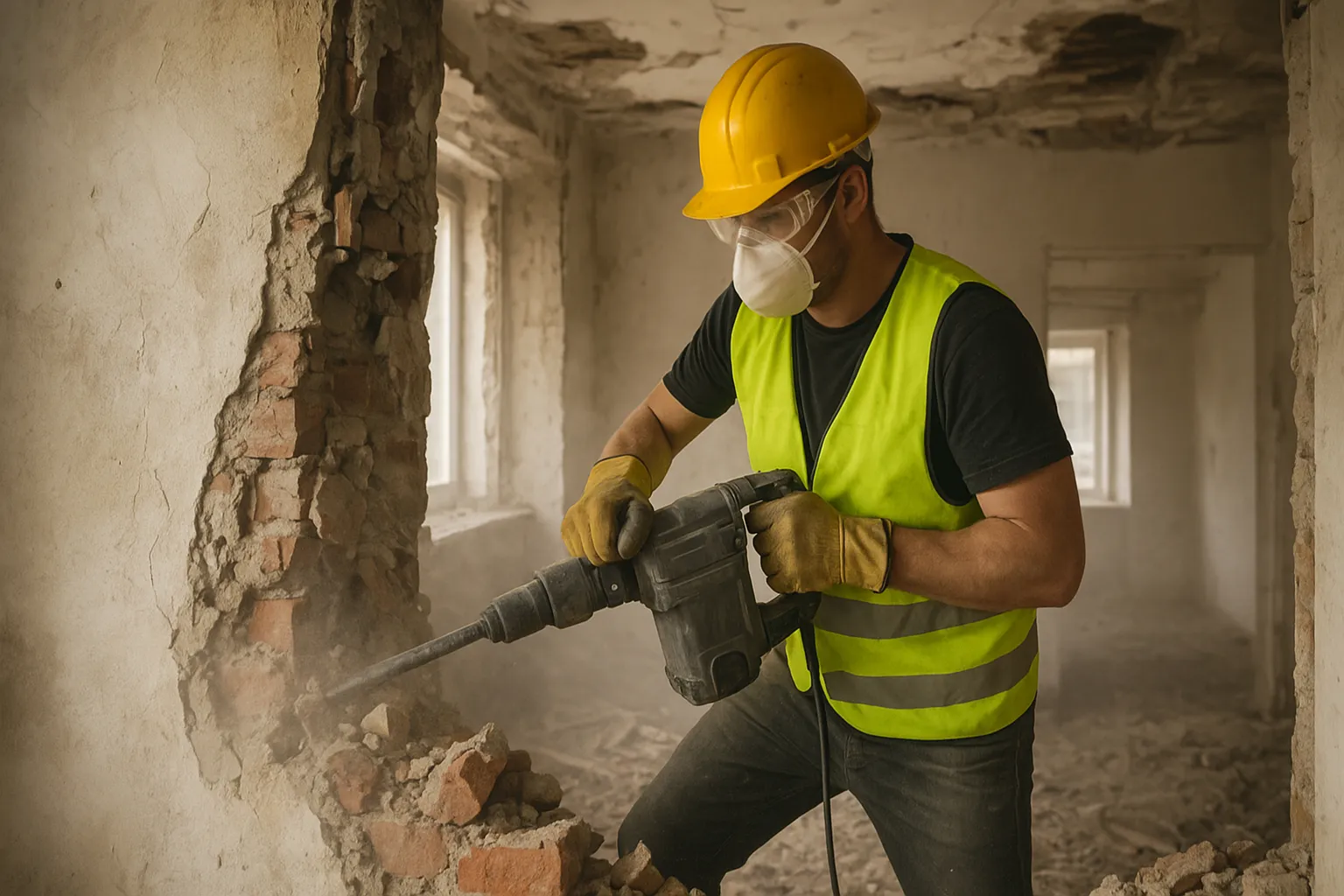
Personal Protective Equipment is another essential part of CPCS health and safety standards.
Depending on the work environment, operators may need to wear:
- Safety helmets.
- High-visibility clothing.
- Protective footwear.
- Gloves.
- Eye protection.
- Hearing protection.
Training explains when PPE should be used, how to wear it correctly, and why it should never replace safe working practices.
Hazard Awareness and Site Safety
Construction sites constantly change as projects progress. Operators must remain alert to new hazards throughout the working day.
CPCS Training Courses teach candidates how to recognise common risks, including:
- Moving vehicles.
- Excavations.
- Overhead power lines.
- Slippery surfaces.
- Falling objects.
- Restricted visibility.
- Pedestrian traffic.
Maintaining awareness of surrounding activities helps reduce the risk of collisions and workplace incidents.
Emergency Procedures
Knowing how to respond during an emergency is just as important as preventing one.
Training includes guidance on:
- Emergency shutdown procedures.
- Reporting accidents.
- Fire safety measures.
- Evacuation procedures.
- Communication during emergencies.
- Responding to equipment failures.
Being prepared for unexpected situations enables operators to act quickly and responsibly.
Legal Responsibilities of Plant Operators
Construction workers have legal responsibilities to protect themselves and others while carrying out their duties.
CPCS Training Courses help candidates understand the importance of:
- Following site rules.
- Operating machinery within authorised limits.
- Reporting unsafe conditions.
- Using equipment correctly.
- Participating in safety briefings.
- Cooperating with supervisors and colleagues.
Meeting these responsibilities contributes to a safer and more compliant workplace.
The Importance of Practical Training
Health and safety cannot be learned through theory alone. Practical exercises allow candidates to apply their knowledge in controlled environments before working on active construction sites.
Hands-on training helps operators:
- Build confidence.
- Develop safe operating habits.
- Improve machine control.
- Learn from experienced instructors.
- Prepare for real workplace challenges.
Practical experience is one of the key reasons CPCS Training Courses are highly valued throughout the construction industry.
Benefits for Employers
Employers also benefit when workers understand CPCS health and safety standards.
A well-trained workforce can contribute to:
- Fewer workplace accidents.
- Reduced equipment damage.
- Improved project efficiency.
- Better compliance with health and safety regulations.
- Increased client confidence.
- Stronger safety culture across the organisation.
Investing in competent operators supports both productivity and long-term business success.
Maintaining High Safety Standards
Completing CPCS Training Courses is only the beginning of a plant operator's professional development. Construction methods, machinery, and safety guidance continue to evolve, making ongoing learning essential.
Operators should regularly:
- Refresh their knowledge.
- Attend additional training when required.
- Follow updated workplace procedures.
- Keep certifications current.
- Stay informed about industry best practices.
Continuous improvement helps maintain high safety standards throughout a construction career.
Conclusion
Understanding CPCS health and safety standards is essential for anyone working with construction plant machinery. From hazard identification and risk assessment to equipment inspections and emergency procedures, every aspect of CPCS Training Courses is designed to help operators work safely and professionally.
By following recognised health and safety standards, plant operators not only protect themselves and their colleagues but also contribute to more efficient, compliant, and successful construction projects. Whether you are new to the industry or looking to expand your qualifications, investing in CPCS Training Courses is an important step towards building a safer and more rewarding construction career.





























Sign in to leave a comment.