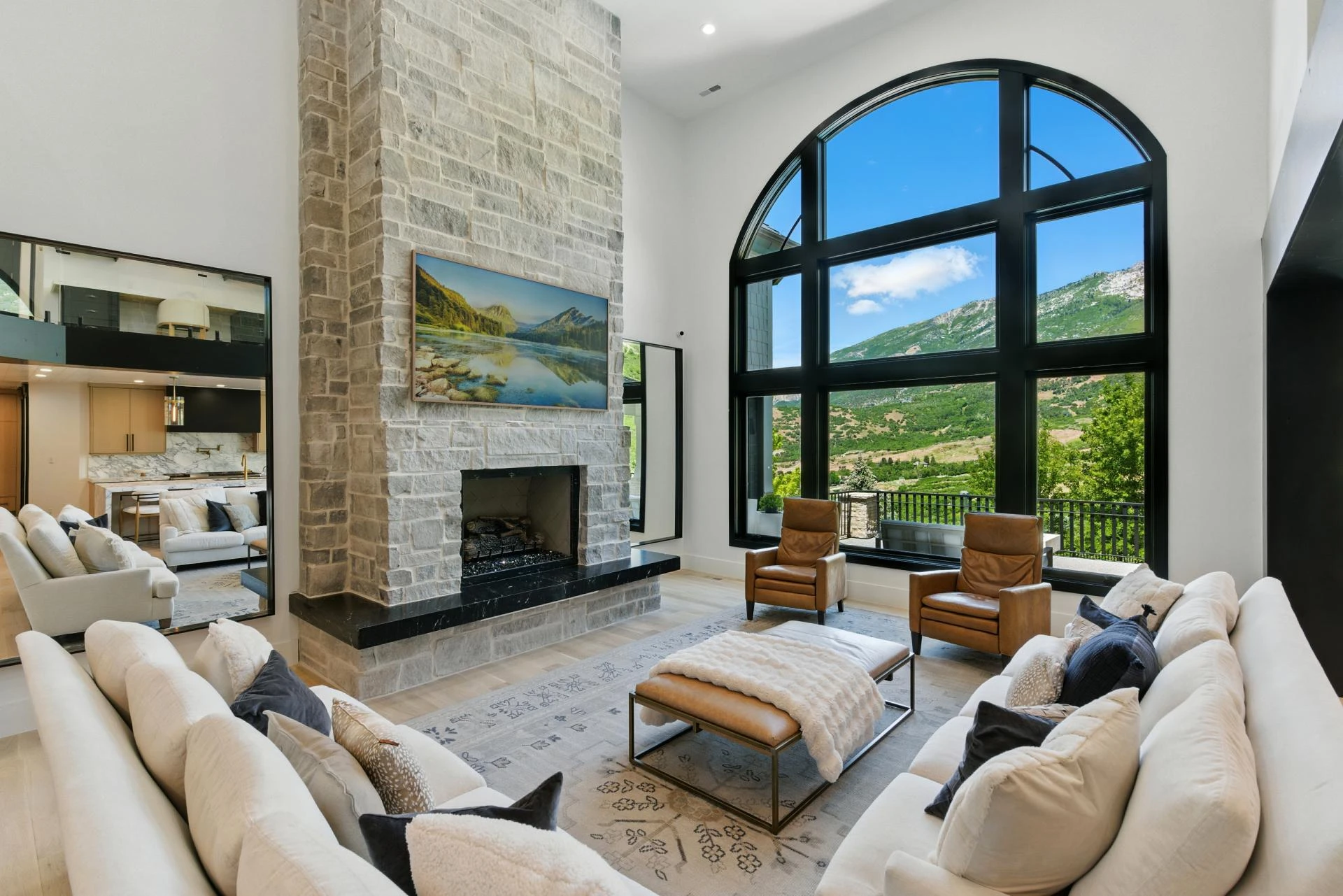

The shift to automation is transforming how photographers handle post-processing. Instead of waiting hours or even days for human editors, professionals can now upload their work and receive finished images in minutes. But with so many tools claiming to use artificial intelligence, how do you decide which AI real estate photo editor is truly worth your trust?
Choosing the right platform isn’t just about speed. It’s about accuracy, consistency, and integration, factors that directly impact how efficiently photographers can deliver high-quality work to their clients. Here’s what every real estate photographer should look for before committing to an AI-powered editing solution.
Understanding What AI Really Does
The term “AI” gets used a lot, but not all tools labeled as artificial intelligence actually work the same way. Some platforms simply apply filters or preset templates. True AI real estate photo editors are trained on millions of professional real estate photos, allowing them to analyze and improve each image intelligently.
This means the system learns how to balance exposure, correct white balance, adjust perspective, and handle HDR blending without human input. The AI doesn’t just “edit”, it understands what makes a property photo appealing.
When comparing editors, photographers should ask:
- Does the AI analyze each photo individually or apply a preset look to all?
- Can it adapt to different lighting and room types automatically?
- Has it been trained specifically on real estate imagery or general photography?
True AI editing models are specialized, not generic. They’re built to recognize homes, windows, outdoor lighting, and even the way natural light interacts with interiors.
Why Speed Is Only One Part of the Equation
It’s tempting to focus solely on how fast an AI real estate photo editor processes images. After all, turnaround time is a major selling point. But speed alone isn’t useful if the results require manual correction afterward.
The real advantage lies in reliable speed. A high-performing AI system should return ready-to-deliver results 99% of the time, with consistent color balance and exposure across every photo set.
For example, a photographer covering three homes in one day can upload all the images, have them automatically processed in under ten minutes, and deliver finished files to agents the same evening. That kind of workflow can double or triple a photographer’s daily capacity, without extra labor or late-night editing sessions.
Quality and Consistency Matter More Than You Think
Photographers often underestimate how much consistency impacts their business. A clean, uniform look builds brand credibility and keeps clients returning. However, when outsourcing editing to multiple human editors, subtle differences in tone, brightness, or color can make galleries feel disjointed.
An effective AI real estate photo editor solves this by applying the same learned logic to every image. Whether you shoot a bright living room or a shaded exterior, the AI recognizes the environment and adjusts exposure accordingly.
Look for a platform that can handle a variety of scenarios reliably, including:
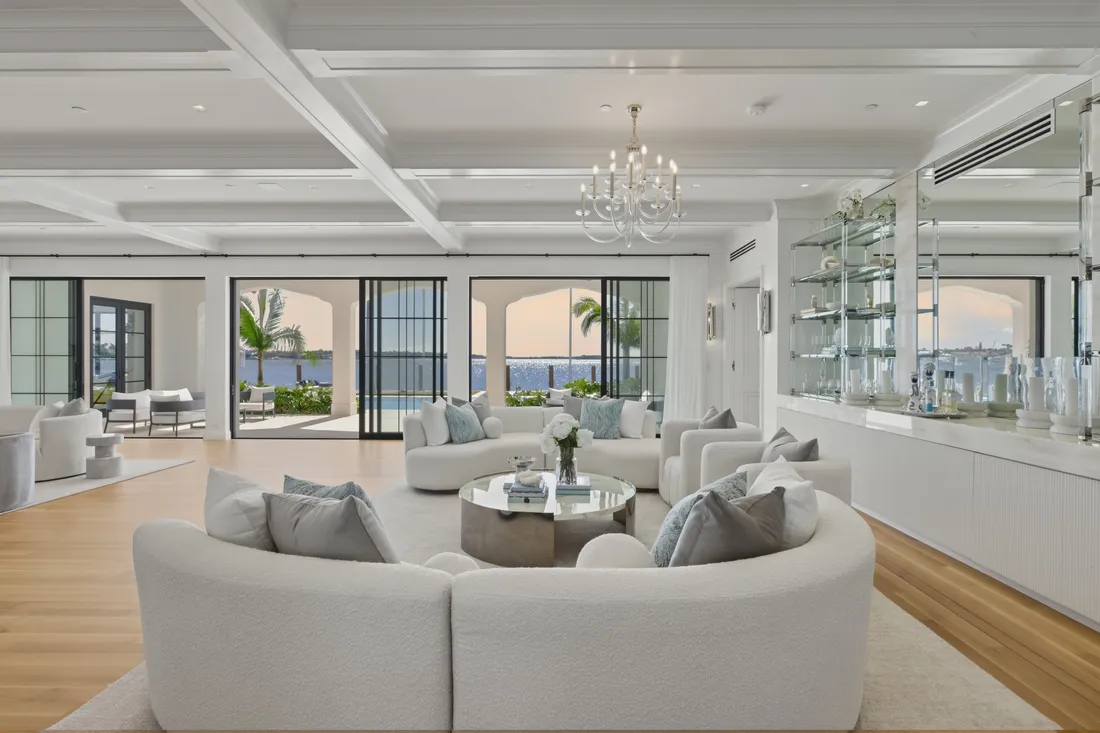
- Interior HDR balancing without overexposure.
- Sky replacement that looks natural, not overly processed.
- Window masking that keeps outdoor views visible but realistic.
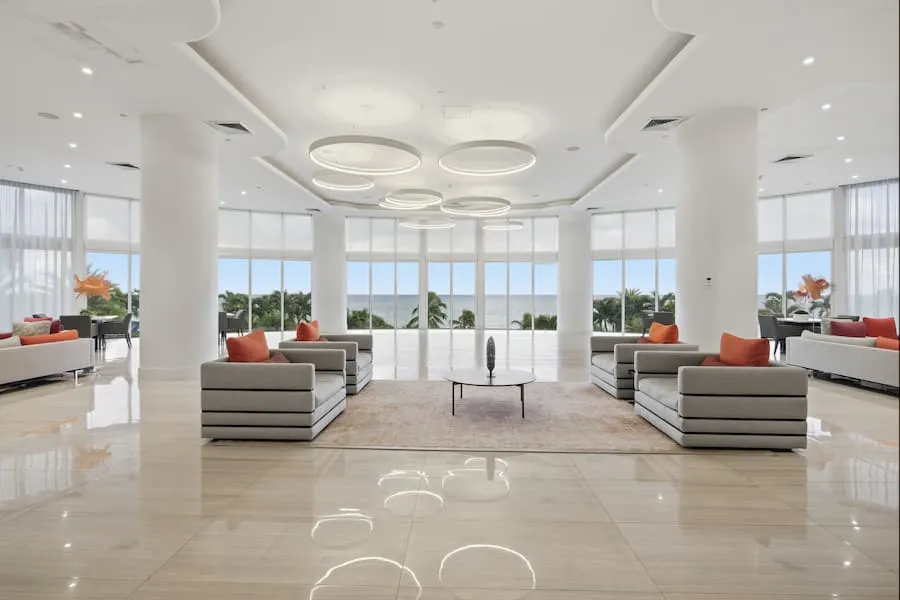
- Straightening and distortion correction for wide-angle lenses.
If an AI editor can manage these details automatically, it’s a strong sign that the technology behind it is mature and built for professional use.
Integration and Workflow Efficiency
A great AI tool should fit into your existing workflow, not create new friction. Photographers today use platforms like Dropbox, Aryeo, or HDPhotoHub to manage file delivery. The best AI real estate photo editors integrate seamlessly with these systems.
This means once your photos are uploaded, the AI begins editing immediately. When it’s done, the finished images sync back to your delivery platform automatically. No manual uploads, downloads, or back-and-forth communication needed.
This level of automation doesn’t just save time; it reduces errors and keeps projects organized. As a result, photographers can focus more on shooting and client communication rather than file management.
Evaluating Cost and Scalability
Traditional editing services charge per image, often between $1 and $3, depending on turnaround time. AI editing services usually cost a fraction of that, typically around $0.40 per image, while delivering results within minutes.
But beyond price, scalability is the real advantage. Human editors can only handle a limited number of projects at once. AI systems, on the other hand, can process thousands of photos simultaneously. Whether you’re a solo photographer or managing a large team, an AI real estate photo editor scales automatically as your workload grows.
This kind of flexibility allows businesses to take on more clients without hiring additional staff or worrying about missed deadlines.
Accuracy and Continuous Improvement
One unique feature of AI systems is their ability to improve over time. With every image they process, they learn from patterns, user feedback, and real-world results. This continuous learning means that the longer you use a platform, the better it becomes at matching your style and preferences.
Traditional editing teams require constant training to maintain standards. AI, however, refines its output automatically, ensuring accuracy and reducing the need for revision requests.
When testing a potential platform, see if it offers ongoing updates or customization options. The best AI editors evolve alongside your workflow, not against it.
Final Thoughts
Selecting the right AI real estate photo editor is about more than finding the fastest option. It’s about trusting your post-production process to technology that values both precision and consistency.
Photographers should choose a platform that mirrors their creative standards, one that delivers professional quality without delay, integrates into existing tools, and scales effortlessly with business growth.
The future of real estate photography is built on automation that feels invisible. When AI handles the technical work seamlessly, photographers regain what matters most: time, creativity, and client satisfaction.


























Sign in to leave a comment.