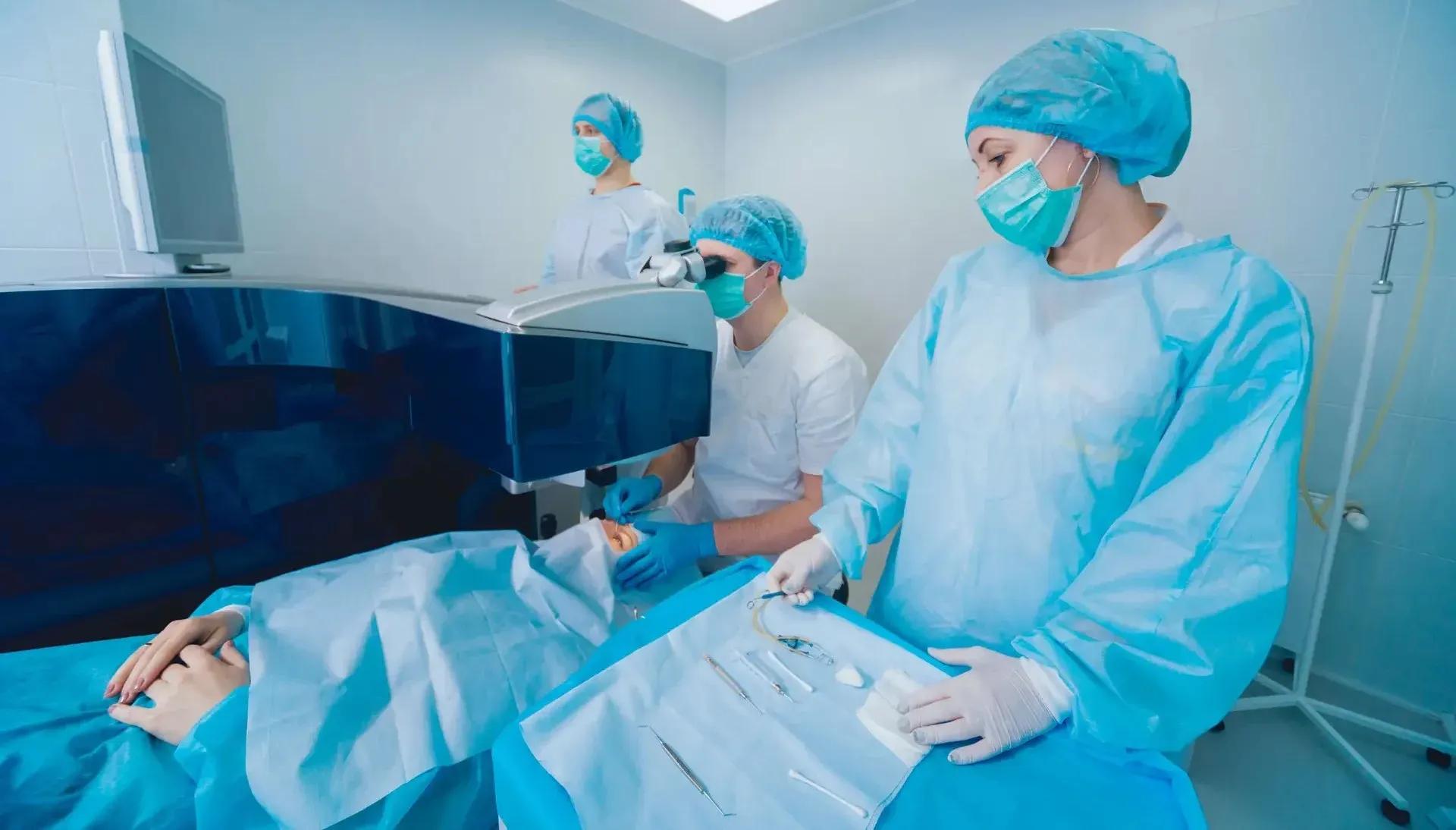

Your eyes are delicate organs that need regular attention to stay healthy. Routine checkups can help detect problems early, even before you notice any symptoms. Early diagnosis often makes treatment easier and helps prevent long-term vision loss. A clinic like Singh Vision provides thorough eye examinations to ensure all aspects of eye health are considered. Knowing what an ophthalmologist in Woodbridge, VA can diagnose allows patients to understand which conditions may require attention and how timely care can make a difference.
Refractive Errors and Vision Problems
One of the most common reasons people visit an eye specialist is to correct refractive errors. These include nearsightedness (myopia), farsightedness (hyperopia), and astigmatism. Refractive errors occur when the eye does not bend light properly, causing blurry or distorted vision.
An ophthalmologist checks vision using simple tests to measure clarity at different distances. While many people rely on glasses or contact lenses, some patients may be candidates for corrective surgery, like LASIK, to reduce dependence on lenses. Early detection ensures clearer vision and prevents strain that can lead to headaches or eye fatigue.
Cataracts
Cataracts develop when the natural lens inside the eye becomes cloudy. This condition is most common in older adults but can occur at any age due to injury, certain medications, or medical conditions like diabetes. Symptoms include blurry vision, sensitivity to light, glare, and difficulty seeing at night. An ophthalmologist evaluates the lens using magnification tools and may recommend surgery once vision is affected.
Timely diagnosis prevents daily activities from becoming challenging and reduces the risk of accidents caused by poor vision. Seeing an ophthalmologist in Woodbridge, VA, ensures cataracts are detected before they seriously interfere with life.
Glaucoma and Optic Nerve Disorders
Glaucoma is often called the “silent thief of sight” because it can damage the optic nerve without noticeable symptoms. This condition usually occurs when fluid pressure inside the eye increases, gradually harming the nerve.
Ophthalmologists check intraocular pressure, examine the optic nerve, and use imaging to detect early damage. Glaucoma treatment may involve eye drops, laser procedures, or surgery. Early intervention is crucial to preserving vision. Detecting optic nerve disorders in time also helps manage other diseases that could affect the nerve, like optic neuritis or congenital conditions.
Retinal Diseases
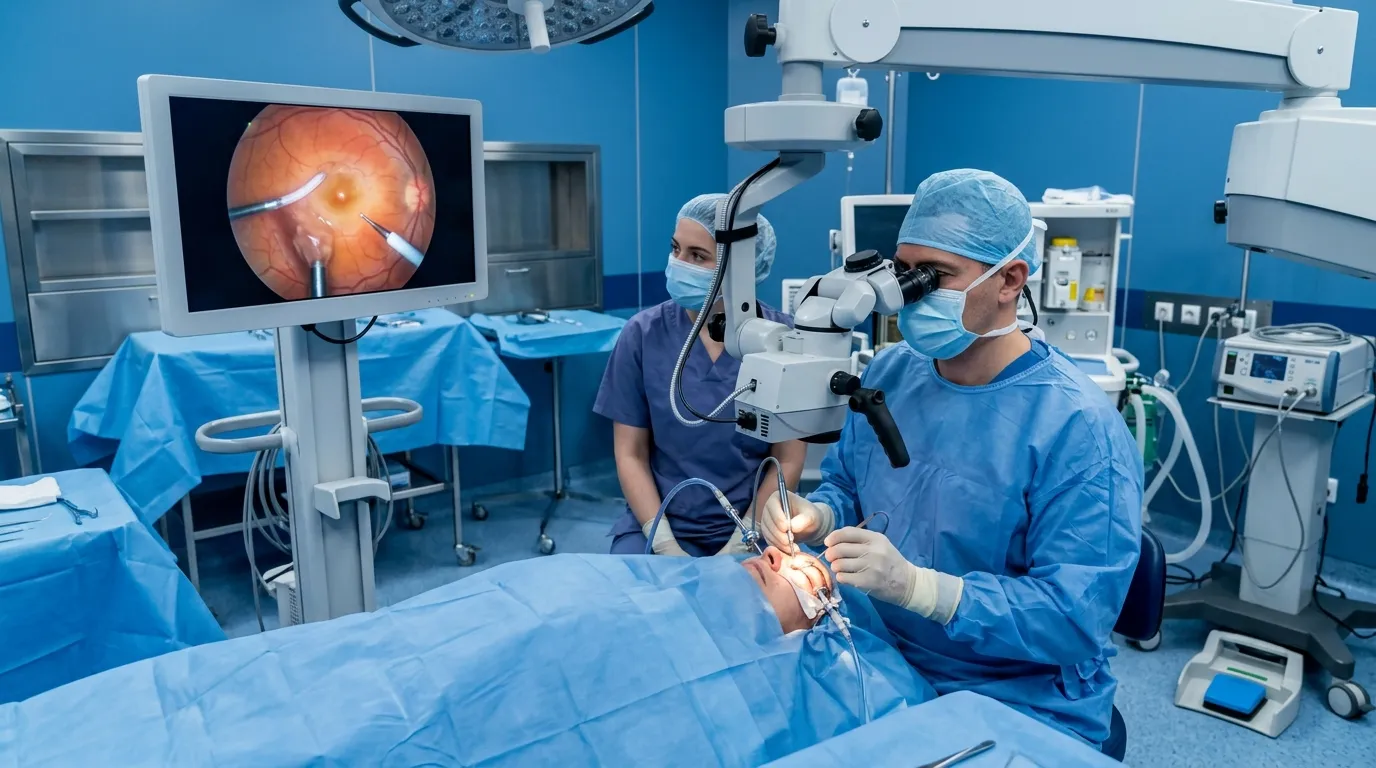
The retina is the light-sensitive layer at the back of the eye that helps process images. Retinal diseases include diabetic retinopathy, macular degeneration, and retinal detachment. These conditions can cause floaters, flashes, dark spots, or sudden vision loss. Ophthalmologists use tools like optical coherence tomography (OCT) and dilated eye exams to detect changes in the retina early.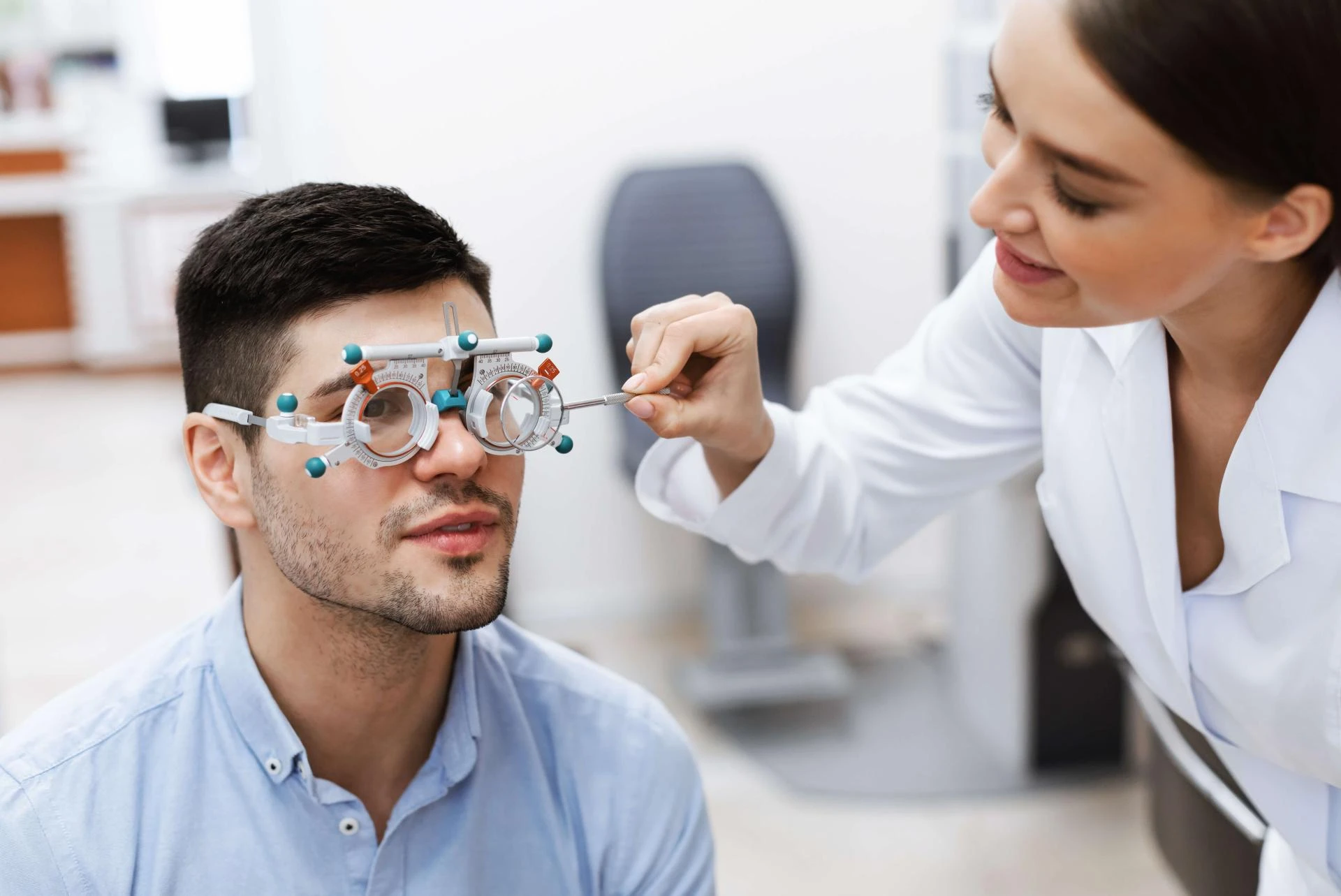
Treatments may include laser therapy, injections, or surgery, depending on the condition. Regular screenings, especially for high-risk patients, help prevent severe vision impairment and maintain long-term eye health.
Corneal and Surface Disorders
The cornea, the eye’s front transparent layer, can develop disorders like keratoconus, infections, or severe dryness. Corneal problems often cause irritation, blurred vision, or light sensitivity. Ophthalmologists perform tests such as corneal topography, slit-lamp exams, and tear assessments to diagnose these issues accurately.
Clinics like Singh Vision ensure patients receive tailored treatment plans that protect corneal health and prevent complications like scarring or vision distortion. Early care improves both comfort and visual clarity.
Eyelid and Tear Duct Problems
Not all eye issues are inside the eyeball. Eyelid conditions like blepharitis (inflammation), ptosis (drooping lids), or blocked tear ducts can cause discomfort, redness, and watery eyes. If untreated, these problems can lead to infection or interfere with vision.
Ophthalmologists examine the eyelids carefully and recommend treatments, including medications, eyelid hygiene routines, or minor procedures.
Eye Injuries and Emergencies
Sudden eye injuries or trauma require immediate attention. These can result from accidents, chemical exposure, or foreign objects in the eye. Even seemingly minor injuries can lead to permanent damage if ignored.
Conclusion: Protecting Vision Through Early Diagnosis
Maintaining healthy vision relies on awareness, regular eye exams, and timely medical care. From routine refractive checks to complex retinal and optic nerve conditions, an ophthalmologist can detect a wide range of issues. Clinics such as Singh Vision combine expertise with advanced diagnostic tools to ensure thorough evaluation.
Consulting an ophthalmologist in Woodbridge, VA, helps protect your eyes, maintain clear vision, and address problems before they become serious. Taking care of your eyes today preserves them for years to come.

























Sign in to leave a comment.