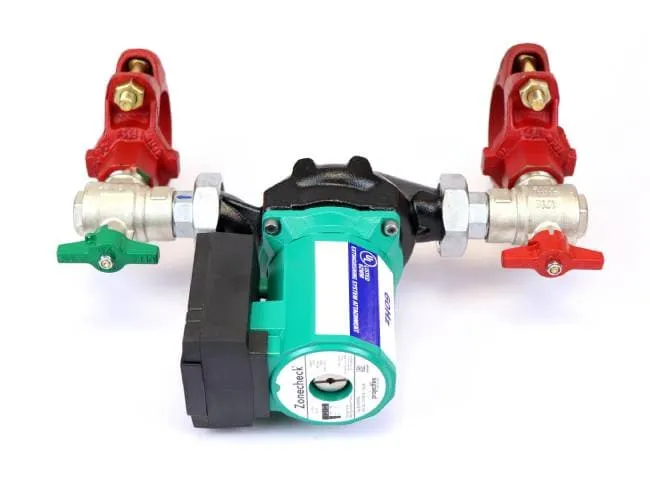

Facility managers are responsible for keeping fire protection systems dependable, accessible, and properly maintained throughout their service life. Choosing the right source for specialized flow switch testing equipment can influence installation, maintenance, training, and long term support. A knowledgeable Zonecheck distributor USA can help facilities understand available solutions, determine appropriate configurations, and coordinate equipment requirements. This support can be particularly valuable when a facility wants to modernize routine flow switch testing while reducing unnecessary water discharge. Careful distributor selection allows facility managers to consider equipment suitability, technical assistance, availability, and future maintenance before making a purchasing decision.
A distributor can play an important role beyond simply supplying equipment. Facility managers may need assistance understanding product configurations, installation requirements, replacement options, and testing procedures. Current information from Zonecheck USA states that its system recirculates water around the flow switch to simulate sprinkler flow, eliminating the need for conventional water discharge during testing. The system is designed to simplify testing while reducing water usage and operational disruption.
Understanding these capabilities can help facility professionals evaluate whether the technology fits their existing fire protection infrastructure.
Understanding Zonecheck Distribution
What a distributor can provide
A specialized distributor can serve as a useful resource for facility managers evaluating flow switch testing solutions. Instead of focusing only on equipment delivery, the distributor can help explain available configurations and how they may apply to different sprinkler system arrangements. Product information, installation resources, and technical guidance can make the purchasing process more straightforward. Facility managers can also benefit from having a reliable contact for future questions about replacement components or system modifications. Establishing this relationship before an equipment need becomes urgent can make future maintenance planning more organized and efficient.
Why distribution matters
The distribution channel can influence how easily a facility obtains appropriate equipment and support. An experienced distributor understands that fire protection equipment requires careful consideration of system configuration and installation conditions. This knowledge can help facility managers avoid selecting equipment based solely on appearance, price, or general functionality. Distribution support can also become valuable when existing systems need upgrades or modifications. A reliable source can help identify suitable options while ensuring that facility personnel have access to relevant technical information. This approach supports better purchasing decisions and can reduce avoidable installation complications.
How Flow Switch Testing Works
Traditional testing challenges
Traditional flow switch testing commonly involves opening a drain valve and allowing water to discharge from the sprinkler zone. This process can require locating the correct drain, managing discharged water, and allowing system pressure conditions to change during testing. It can also create additional work for facility personnel, particularly in larger buildings with numerous sprinkler zones. The conventional approach may require careful coordination to avoid unnecessary disruption. Understanding these challenges helps facility managers evaluate alternative testing methods and determine whether a recirculating solution could provide practical benefits for their particular fire protection system.
Recirculating water during testing
A recirculating flow switch testing system operates differently by moving water around the flow switch within the sprinkler piping rather than discharging it to waste. The process is intended to simulate the flow associated with a sprinkler operating condition. According to Zonecheck USA, its system uses internal water recirculation and does not require the fire pump to operate during the routine flow switch test.
This approach can reduce water consumption and simplify routine testing activities while helping facility personnel verify that the flow switch responds appropriately.
Water Conservation Benefits
Reducing unnecessary discharge
Water conservation can become an important consideration for facilities that conduct frequent sprinkler system testing. Releasing water through traditional testing arrangements can result in significant cumulative consumption, particularly when a building contains many flow switches. A recirculating testing method can keep water within the system instead of sending it to waste. Current product information states that facilities with multiple flow switches can achieve substantial annual water savings through this approach.
Facility managers can therefore evaluate water reduction as both an environmental benefit and a potential operational advantage.
Supporting sustainable maintenance
Sustainability initiatives increasingly influence facility maintenance decisions, including fire protection practices. Reducing unnecessary water discharge can support broader resource conservation goals without eliminating the need for routine testing. A recirculating testing arrangement can allow facilities to maintain testing practices while using less water. It may also reduce the amount of labor associated with locating drain valves and managing discharged water. Facility managers should evaluate these benefits alongside system requirements and installation conditions. A sustainable maintenance strategy can provide practical advantages when environmental responsibility and operational efficiency are considered together.
Reducing Operational Disruption
Simplifying routine testing
Routine fire protection testing can require coordination among facility personnel, contractors, occupants, and monitoring teams. A testing method that reduces water discharge can simplify some of these activities. The available system information indicates that testing can be performed through a key switch and does not require fire pump activation.
This can make routine testing more convenient for facilities where minimizing disruption is important. Facility managers can assess whether simplified testing would help reduce labor requirements and make scheduled maintenance easier to coordinate around normal building operations.
Limiting unnecessary pump operation
Routine testing methods that create pressure changes may sometimes involve fire pump operation depending on system conditions. Reducing unnecessary pump starts can be beneficial for facilities seeking to limit avoidable equipment activity during routine testing. Current information about the system states that the flow switch can be tested without initiating the fire pump.
Facility managers should still follow applicable testing procedures and requirements, but reducing unnecessary pump activity may simplify coordination and contribute to more efficient maintenance practices.
Choosing the Right Distribution Support
Evaluate technical knowledge
Facility managers should consider the technical knowledge available from a distributor before purchasing specialized fire protection equipment. The distributor should be able to explain product functions, configurations, installation considerations, and available support resources. Technical knowledge can be particularly important when the facility is working with an existing sprinkler system and needs to determine whether a retrofit option is appropriate. A knowledgeable resource can help facility personnel ask better questions and provide accurate system information. This creates a more informed purchasing process and can reduce the likelihood of selecting an unsuitable configuration.
Consider product availability
Availability can influence project scheduling and maintenance planning. When a facility needs specialized equipment, delays in sourcing can affect installation schedules or planned upgrades. Facility managers should therefore ask about product availability, expected delivery times, replacement components, and future support. An established distribution relationship can make these questions easier to address. Advance planning is especially useful for facilities with multiple sprinkler zones or projects that must be completed within specific maintenance windows. Understanding availability before purchasing can help organizations coordinate procurement with installation and minimize unnecessary scheduling disruptions.
New Installation and Retrofit Options
New system applications
New sprinkler system installations provide an opportunity to consider flow switch testing requirements during the design stage. Facility managers can work with project teams to determine how testing will be performed and what equipment configuration would best support future maintenance. The available system includes different sizes and configurations intended for various applications.
Early consideration can simplify installation planning because equipment location, connections, controls, and monitoring requirements can be evaluated before construction is complete. This proactive approach can make future testing more convenient and reduce the need for later modifications.
Retrofit opportunities
Existing sprinkler systems may also benefit from retrofit solutions when compatible with their configuration. Retrofit equipment is designed to work with existing flow switch arrangements and can provide an alternative to completely redesigning a sprinkler zone. Available information describes retrofit options intended to simplify flow switch replacement and reduce disruption.
Facility managers should have existing equipment evaluated before selecting a retrofit solution. Proper assessment can help determine compatibility, installation requirements, available space, and whether the proposed modification provides a practical long term improvement.
Installation Considerations
Professional installation
Specialized fire protection equipment should be installed by appropriately qualified professionals. Installation requirements can involve pipe configuration, flow direction, electrical connections, key switch placement, and connection to fire alarm equipment. The installation manual specifies that the system should be installed by a competent fire sprinkler installer and wired by a qualified electrician.
Facility managers should coordinate installation responsibilities carefully and ensure that the appropriate professionals are involved. Correct installation supports reliable operation and helps reduce the possibility of problems caused by incorrect wiring, orientation, connections, or commissioning.
Reviewing the existing system
Before installation, facility personnel should understand the existing sprinkler system configuration. Information about pipe sizes, flow switches, zone valves, alarm connections, available space, and electrical infrastructure can help determine whether a proposed solution is suitable. A thorough review can identify potential installation challenges before work begins. Facility managers should also consider access for future inspection and maintenance. Equipment that is technically compatible but difficult to reach may create unnecessary maintenance challenges. Evaluating both compatibility and accessibility helps ensure that an upgrade provides practical value over its expected service life.
Maintenance Considerations
Keeping equipment accessible
Routine maintenance is easier when testing equipment and related controls remain accessible to authorized personnel. Key switches and other operating interfaces should be positioned where trained personnel can use them safely and conveniently. The installation guidance recommends placing the key switch in a suitable location that can be reached from floor level.
Facility managers should consider accessibility during project planning rather than after installation is complete. A well positioned interface can make routine testing more efficient and reduce the time required for maintenance personnel to complete scheduled activities.
Monitoring equipment condition
Although a flow switch testing solution can simplify routine procedures, the overall fire protection system still requires appropriate inspection and maintenance. Facility managers should monitor equipment condition, connections, valves, switches, and related components according to applicable procedures. Any unusual behavior, leakage, alarm issue, or testing concern should be evaluated by qualified personnel. Simplifying one testing activity does not eliminate the need for comprehensive fire protection maintenance. Instead, improved testing efficiency should be incorporated into a broader maintenance program designed to keep the entire sprinkler system in dependable operating condition.
Understanding Product Configurations
Selecting appropriate sizes
Flow switch testing equipment is available in different sizes and configurations to accommodate different sprinkler system arrangements. Current product information lists units ranging from two inch through eight inch sizes.
Facility managers should identify the existing pipe size and configuration before requesting equipment. Selecting a component based on general appearance or availability without confirming system requirements can create installation problems. Accurate measurements and equipment information can help the distributor determine which configuration is appropriate. This step is particularly important for retrofit projects where existing infrastructure must be considered.
Considering remote testing
Some configurations provide key switch based remote testing capabilities, allowing personnel to initiate testing from a convenient location. This can be useful in larger facilities where flow switches are installed across numerous zones or difficult to access areas. Available information indicates that remote testing can reduce the need for personnel to travel to individual locations for each routine test.
Facility managers should determine whether remote testing would provide meaningful operational value based on building size, system layout, staffing, and maintenance procedures.
Improving Labor Efficiency
Reducing repetitive tasks
Routine testing across many sprinkler zones can involve repetitive activities, particularly in large commercial or industrial facilities. Locating drain valves, managing water discharge, monitoring system conditions, and coordinating personnel can consume maintenance time. A simplified testing method can reduce some of these repetitive tasks by allowing water to circulate within the system. Facility managers can evaluate the potential labor savings based on the number of flow switches and frequency of testing. Reducing repetitive work can allow maintenance teams to allocate more time to other important inspection and equipment management responsibilities.
Supporting easier scheduling
Maintenance work is easier to schedule when individual testing activities require fewer resources and create less disruption. A streamlined process can make it easier for facility managers to organize routine testing around building occupancy and operational demands. Remote testing capabilities may provide additional flexibility where they are appropriate.
Facility managers should still coordinate testing with responsible personnel and follow established procedures. However, simplifying the practical aspects of testing can contribute to a more predictable maintenance schedule and reduce the administrative effort associated with routine flow switch checks.
Corrosion and System Condition
Limiting fresh water introduction
Repeatedly introducing fresh, oxygen rich water into sprinkler piping can contribute to internal corrosion under certain conditions. A recirculating testing method reduces the need to discharge system water and replace it with fresh water during routine flow switch testing. Current product information identifies reduced oxygen introduction as one potential benefit of the system.
Facility managers should recognize that corrosion has multiple causes and that no single testing method eliminates all corrosion risks. Nevertheless, reducing unnecessary water replacement can form part of a broader strategy for maintaining sprinkler system condition.
Protecting long term infrastructure
Sprinkler piping represents a significant component of a building's fire protection infrastructure. Maintaining its condition is important because deterioration can lead to leaks, maintenance problems, and costly repairs. Testing methods that minimize unnecessary water discharge may help reduce certain stresses associated with repeated draining and refilling. Facility managers should combine efficient testing practices with regular inspection and maintenance. A long term approach considers not only immediate testing convenience but also how maintenance practices affect system condition, operating costs, resource consumption, and reliability over many years.
Compliance and Testing Responsibilities
Following applicable requirements
Fire protection testing must be conducted according to applicable codes, standards, authority requirements, system specifications, and established procedures. Facility managers should not assume that a new testing method automatically satisfies every requirement in every application. The available product information identifies approvals and certifications associated with the equipment, but the specific installation still needs appropriate evaluation.
Qualified fire protection professionals can help determine how the equipment should be incorporated into the facility's testing program. Compliance should remain a central consideration when evaluating any new fire protection technology.
Maintaining documentation
Documentation helps demonstrate that equipment has been installed, tested, and maintained appropriately. Facility managers should retain product information, installation records, commissioning information, inspection results, and relevant service documentation. These records can help future technicians understand the system and can make troubleshooting more efficient. Documentation is also valuable when facilities change personnel or contractors. A well organized recordkeeping process provides continuity and helps ensure that maintenance decisions are based on accurate information. Facility managers should treat documentation as an important part of system management rather than simply an administrative requirement.
Evaluating Long Term Value
Looking beyond purchase price
The lowest initial equipment price does not necessarily represent the best value for a facility. Facility managers should consider installation costs, labor requirements, water consumption, maintenance, replacement components, accessibility, and expected service life. A solution that reduces repetitive work or water discharge may provide value over many years even if its initial purchase price is higher than a conventional alternative. Evaluating total ownership considerations allows facility managers to make more informed decisions. The goal should be to select equipment that supports practical maintenance, reliable testing, and sustainable operation throughout its useful life.
Considering facility size
The potential benefits of streamlined flow switch testing may become more significant as the number of sprinkler zones increases. A building with many flow switches can involve substantial cumulative labor and water usage when traditional testing methods are used. Facility managers should evaluate the number of devices, their locations, testing frequency, and accessibility when considering an upgrade. A smaller facility may have different priorities from a large campus or industrial property. Application specific evaluation ensures that the selected solution provides meaningful benefits rather than adding unnecessary complexity.
Questions Facility Managers Should Ask
Before purchasing
Facility managers can improve purchasing decisions by asking several practical questions before ordering equipment. They should determine whether the proposed configuration matches the existing pipe size and flow switch arrangement, whether installation requires system shutdown, what electrical connections are necessary, and how testing will be performed. They should also ask about documentation, training, replacement components, and technical support. These questions help identify potential challenges before equipment arrives. A detailed discussion with the distributor can give facility personnel a clearer understanding of the installation and long term maintenance requirements.
Before installation
Before installation begins, facility managers should confirm that the site is prepared and that the responsible professionals understand the equipment requirements. The sprinkler installer and electrician should coordinate their work where necessary. Equipment orientation, flow direction, key switch location, wiring, alarm connections, and commissioning procedures should be reviewed. The installation manual provides specific steps covering these areas.
Careful preparation can reduce delays and help prevent installation errors. Facility managers should also ensure that appropriate testing and documentation are planned after the installation is complete.
Building a Better Testing Strategy
Integrating modern methods
A modern flow switch testing solution can become part of a broader strategy for improving fire protection maintenance. Facility managers can evaluate how the testing method affects water use, labor, building disruption, pump operation, and system condition. This evaluation can help determine whether modernization is appropriate. Technology should support established inspection and testing responsibilities rather than replace them. When integrated properly, efficient testing equipment can make routine maintenance more manageable while helping facilities use resources more responsibly. The most effective approach is one that combines appropriate technology with qualified personnel and consistent procedures.
Planning for future needs
Facility managers should consider how the building may change over time when evaluating flow switch testing equipment. Renovations, additions, changes in occupancy, and modifications to sprinkler zones can affect future requirements. A flexible approach can make it easier to accommodate these changes. Facility personnel should retain accurate information about existing equipment and consult qualified professionals before making modifications. Long term planning can reduce the need for repeated system changes and help ensure that testing remains practical as the facility evolves. Good planning supports both operational efficiency and continued fire protection readiness.
Conclusion
Facility managers should view distribution as more than a simple purchasing channel when evaluating specialized fire protection equipment. The right distributor can provide product information, configuration guidance, installation resources, parts support, and assistance with long term maintenance planning. Efficient flow switch testing can reduce unnecessary water discharge, simplify routine procedures, and potentially reduce labor and equipment disruption when appropriately incorporated into a fire protection program. Careful evaluation of system compatibility, installation requirements, compliance responsibilities, accessibility, and total ownership value remains essential. Steven Brown & Associates, Inc. can support facilities seeking knowledgeable assistance with Zonecheck distribution, flow switch testing solutions, equipment selection, and related fire protection requirements.
























Sign in to leave a comment.