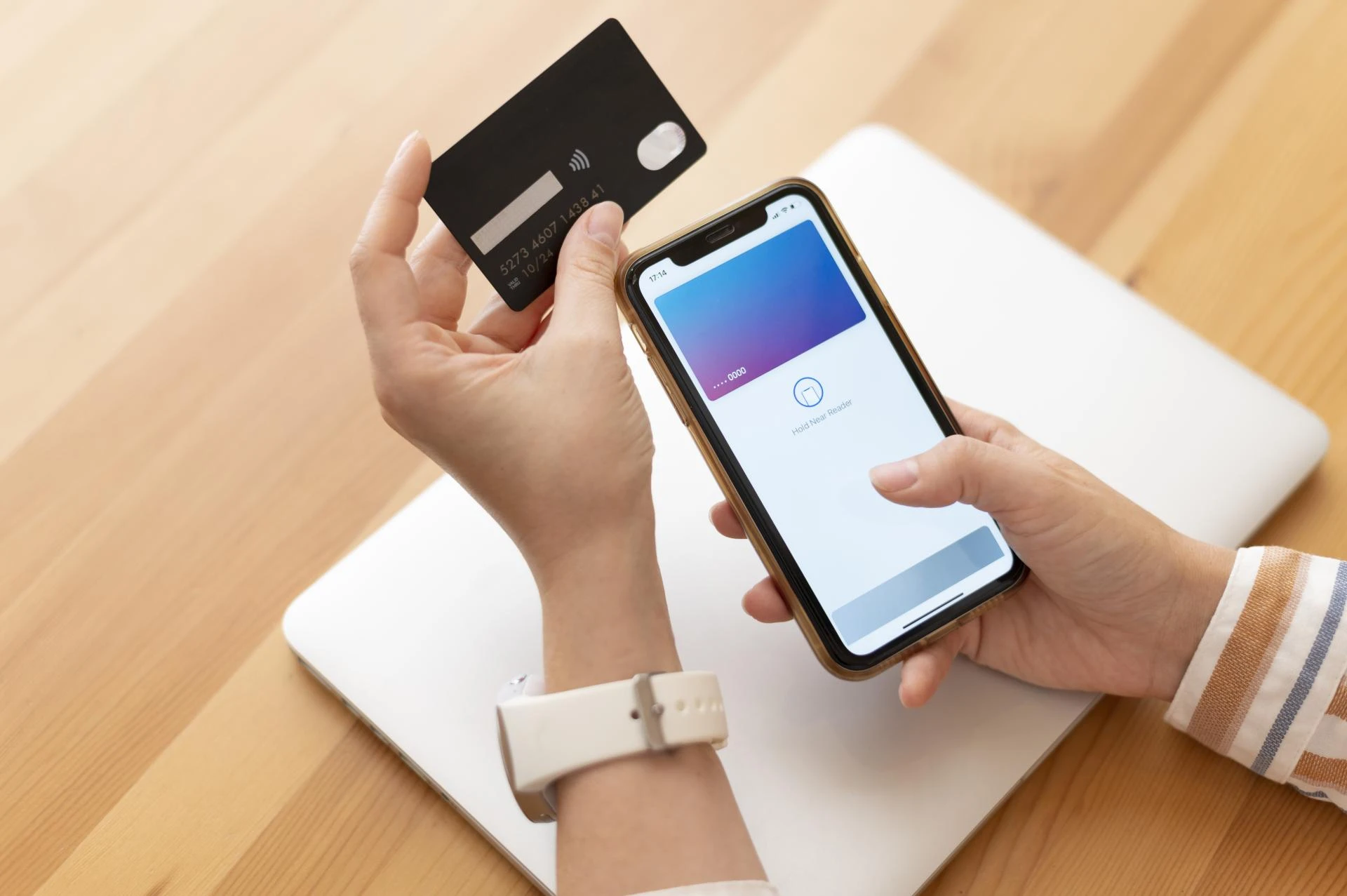

In the first 10 months of FY 2024-25, digital and financial frauds amounted to ₹4,245 crore across nearly 2.4 million incidents, showing a rise compared to previous years. The Indian Computer Emergency Response Team (CERT-In) reported a major increase in payment-related cyber incidents.
A payment gateway must go beyond standard compliance and deploy advanced fraud prevention. In this blog, we'll go through advanced fraud tools that the best payment gateway uses to safeguard every transaction and protect business revenue.
AI-driven risk assessment
Artificial Intelligence (AI) has become central to how the best payment gateway identifies fraud in real time. AI-driven models analyse massive data sets, including transaction history, device patterns, location and spending behaviour, to detect unusual activity within milliseconds.
Key advantages include:
- Dynamic decision-making: Machine learning algorithms continuously adapt to new fraud patterns rather than relying on static rule sets
- Reduced false declines: Smarter risk scoring prevents genuine customers from being rejected unnecessarily
- Scalable protection: AI works across multiple channels, such as cards, UPI, wallets and net banking, to ensure consistency as payment volumes grow
By learning from every interaction, AI models enable the best payment gateway to balance strong security with a seamless user experience, an essential factor in maintaining revenue consistency.
Velocity rules to stop repeated fraud attempts
Fraudsters often attempt multiple small-value transactions in a short time to test stolen card details. This is where velocity rules become critical. The best payment gateway uses velocity-based monitoring to detect patterns such as:
- Too many transactions from the same IP address within minutes
- Excessive payment attempts using different cards on one account
- Multiple declined payments on the same merchant platform
When triggered, the system automatically flags or blocks these attempts, preventing card testing and protecting the merchant from chargeback exposure. Velocity rules are one of the most effective defences because they work in real time and require no manual intervention.
Device fingerprinting and behavioural analytics
Every device leaves a digital signature, which is a unique combination of browser type, operating system, IP location and hardware identifiers. The best payment gateway uses device fingerprinting to recognise these patterns and detect anomalies instantly.
Behavioural analytics goes a step further. It tracks how users interact with a payment page, such as mouse movement, typing rhythm or session timing, to distinguish real customers from bots or automated scripts. By combining these two layers, the best payment gateway enhances fraud detection accuracy and minimises false positives.
Tokenisation and encryption for data security
At the foundation of all secure payments lies data protection. The best payment gateway must employ both tokenisation and end-to-end encryption to safeguard sensitive information.
- Tokenisation: Replaces card numbers with randomly generated tokens, making stolen data useless to attackers
- Encryption: Secures data as it travels between the customer, gateway and acquiring bank, preventing interception
Together, these methods ensure that even if cybercriminals breach a merchant's system, no usable card information is exposed. Tokenisation also supports PCI DSS compliance, allowing merchants to reduce their risk burden while maintaining customer trust.
Real-time transaction monitoring
In digital commerce, fraud moves fast, which is why real-time monitoring is indispensable. The best payment gateway continuously analyses live transaction flows, identifying outliers such as:
- Unusual purchase values or currency types
- Sudden spikes in refund requests
- Geographical inconsistencies between the cardholder and the merchant location
When these signals appear, the gateway automatically applies additional checks or temporarily suspends the transaction until verified. This proactive approach significantly limits the financial damage from fraudulent activity and reinforces merchant confidence in their payment partner.
Multi-layer authentication
Authentication remains the first line of defence against unauthorised access. The best payment gateway integrates multiple authentication factors to verify customer identity, such as:
- Two-factor authentication: Combining something the user knows (a password or PIN) with something they have (an OTP or device)
- Biometric verification: Where applicable, enabling advanced security for repeat customers
These layers ensure that even if one defence is bypassed, another stands ready to protect the transaction. For merchants, this translates to fewer chargebacks and stronger compliance with regulatory standards set by the Reserve Bank of India.
Geo-location and IP analysis
Cross-border fraud attempts often originate from high-risk regions. The best payment gateway uses geo-location and IP analysis to evaluate the legitimacy of transactions based on where they are initiated. This includes checking:
- Mismatched billing and IP country
- Unusual time zones relative to purchase activity
- Use of proxy or VPN networks to mask location
By scoring these signals in real time, the gateway can block high-risk payments before they proceed, reducing the risk of revenue leakage and reputational damage.
Continuous data intelligence and reporting
Fraud prevention is a continuous process. The best payment gateway constantly refines its security models through data intelligence and analytics.
- Pattern learning: Identifies emerging fraud tactics from global networks
- Reporting dashboards: Provide merchants with visibility into suspicious activity trends
- Collaborative intelligence: Shares anonymised insights across merchant ecosystems to strengthen collective defence
Such intelligence-driven operations ensure that fraud prevention evolves in parallel with innovation in payment technology.
Why merchants must choose wisely
For merchants, selecting the best payment gateway is a strategic decision that defines long-term profitability. Every layer of protection contributes to revenue stability, customer satisfaction and regulatory compliance. A secure gateway builds a reputation for reliability that keeps customers returning.
Certain payment gateways, such as Pine Labs Online, are recognised for strong security frameworks, smooth integration capabilities and reliable transaction performance. Selecting wisely helps merchants minimise risks, maintain smooth payment experiences and create a reliable foundation for business growth.































Sign in to leave a comment.