
Draft beer is a system, not a single purchase. Every component between the keg and the glass plays a role, and the weakest link determines the quality of the pour.
Understanding beer dispensing equipment before buying it prevents the most common and most expensive mistakes: the wrong coupler for the keg type, a regulator without a safety check valve, a faucet that corrodes inside after six months. Each of those errors costs time, money, and good beer.
The Components That Make Up a Draft System
Every home draft setup contains the same basic parts, regardless of how simple or elaborate the installation:
- CO2 cylinder and regulator: the gas source and the pressure controller. A dual-gauge regulator shows both cylinder pressure (so you know when you are running low) and output pressure (the PSI pushing beer through the line).
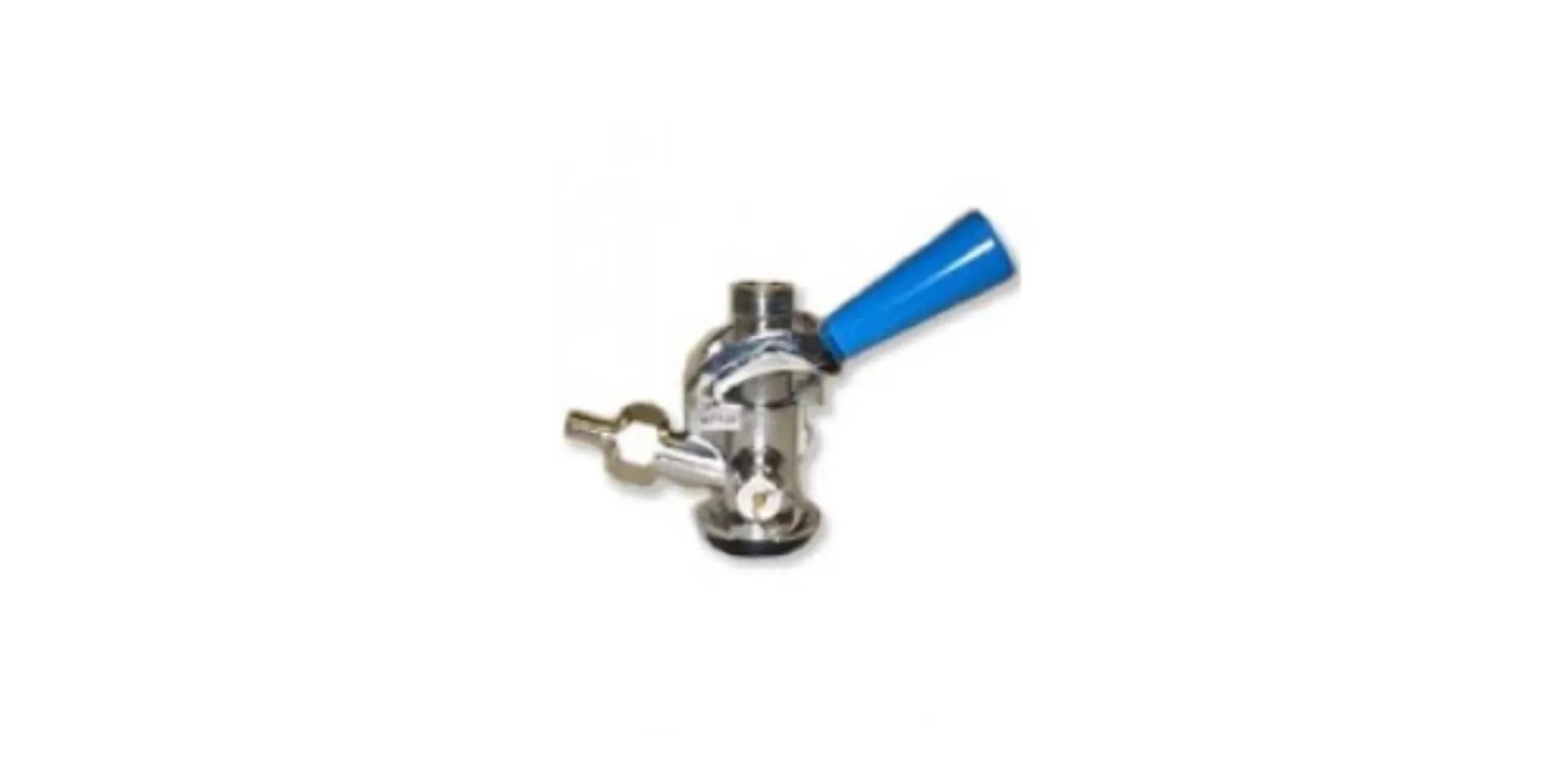
- Keg coupler: the interface between the gas and beer lines and the keg valve. Must match the keg format. D-System for domestic American kegs; S, A, or G systems for European imports.
- Beer line and gas line: 3/16-inch ID vinyl beer line at 5 to 6 feet provides the flow resistance needed to balance serving pressure. Gas line connects the regulator to the coupler.
- Faucet and shank: the delivery point. Stainless steel on both holds up to repeated cleaning without corroding or creating rough interior surfaces that harbor bacteria.
Quality Matters at Every Connection
The best way to evaluate and to buy beer dispensing equipment is to look at where the beer actually contacts the system: the coupler probe, the beer line interior, and the faucet body. Chrome-plated brass and zinc fittings work initially and degrade over time. Stainless steel and food-grade vinyl maintain consistent performance across years of use.
Oetiker clamps rather than worm clamps at line connections matter more than most buyers realize. A worm clamp creates localized pressure points that can deform flexible beer line. Oetiker clamps distribute even crimping force around the full circumference of the fitting, creating a gas-tight seal that holds under repeated pressure cycling.
Where to Start When You Buy Beer Dispensing Equipment
Buy the complete system before sourcing individual components. Complete kits from reputable suppliers pre-match line length, clamp type, coupler style, and regulator output to work together from day one. Sourcing components individually introduces compatibility risk at every connection point.
Suppliers like Beer Meister have been assembling draft systems since the 1960s. Their kits reflect decades of knowing which component combinations hold up under regular home use.
“Every foam problem in a kegerator traces back to one of three things: temperature, pressure, or line balance. Properly matched equipment eliminates two of those three variables before you tap the first keg.”
Takeaway: Match every component to the keg type and the system’s serving pressure. Stainless steel at contact points, Oetiker clamps at line connections, and a check-valve manifold on multi-keg setups.

























Sign in to leave a comment.