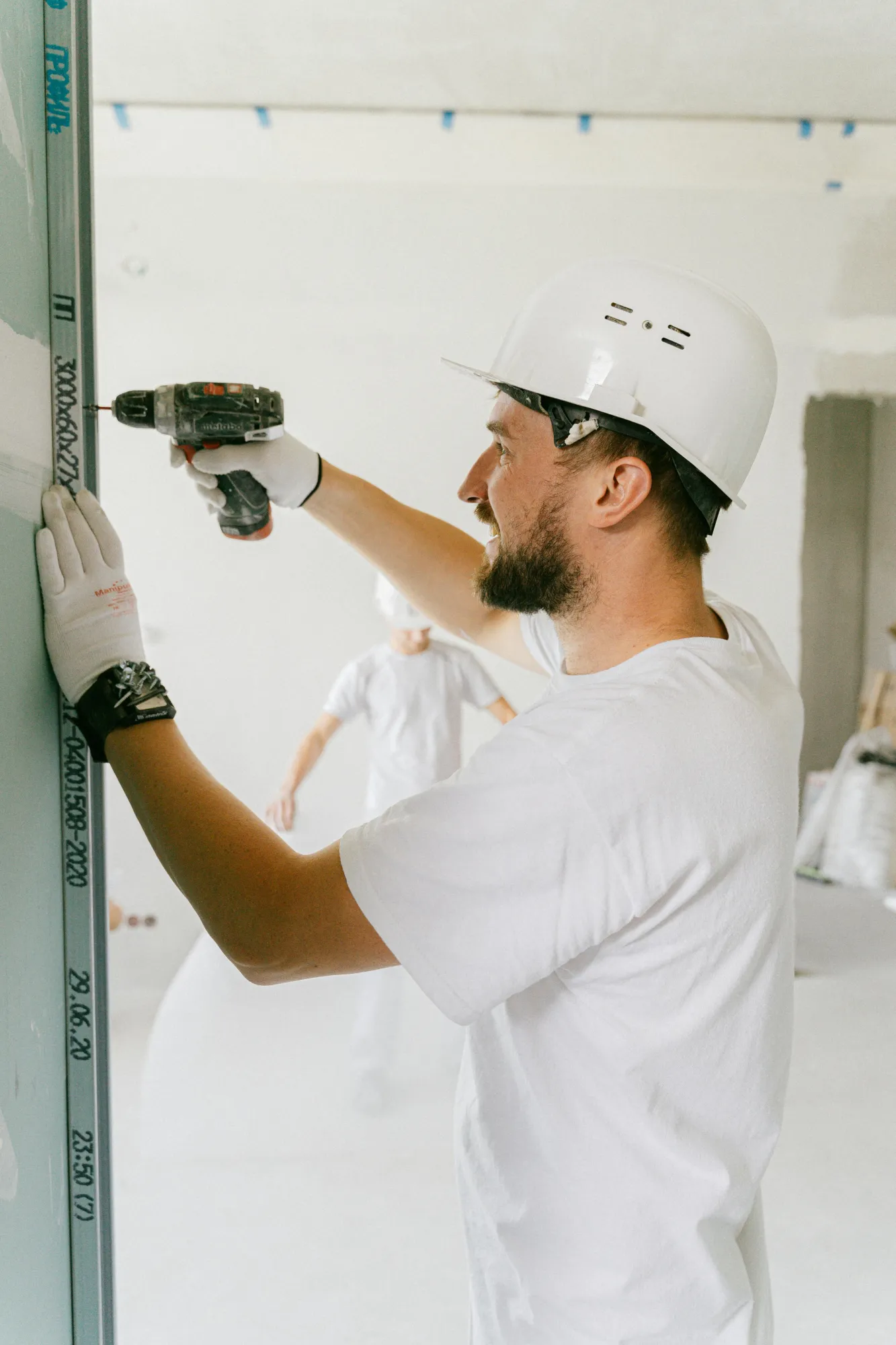

When people walk into a room, they notice the paint color, furniture, lighting, and design choices. What often goes unnoticed is the work behind those finished surfaces. Walls and ceilings create the backdrop for every interior space, and the quality behind them plays a bigger role than many people realize. Smooth surfaces, clean corners, and straight lines all begin with proper drywall installation and finishing.
Whether it’s a new home, a basement renovation, office space, or a remodeling project, drywall shapes the way a room looks and feels. Poorly finished walls can stand out over time, while skilled drywall work blends into the space and lets everything else come together naturally. This is why homeowners and builders continue to work with expert drywalling contractors who understand the details behind quality wall systems.
Walls Shape the Entire Look of a Room
Drywall does more than divide rooms or cover framing. It creates the visual foundation of every interior. Once paint is applied and furniture is moved in, walls become part of everyday life. Uneven joints, visible seams, or rough patches can affect the appearance of an entire room.
Good drywall work creates:
- Smooth wall surfaces
- Clean transitions between rooms
- Straight corners and edges
- Even ceilings
- Better paint results
These details influence how complete a space feels after construction ends.
A room with smooth walls and balanced surfaces often feels cleaner and more finished. Small drywall details may seem easy to overlook during installation, but they become easier to notice after the project is complete.
Drywall Installation Is More Than Hanging Panels
Some people assume drywall installation only involves attaching boards to framing and covering joints. The process involves many stages, and every step affects the finished result.
Drywall installation includes:
- Measuring wall areas
- Cutting drywall sheets
- Securing panels correctly
- Positioning seams carefully
- Installing corner beads
- Applying joint compound
- Sanding and finishing surfaces
Skipping steps or rushing through installation often creates visible issues later.
Drywall panels also need proper placement around windows, doors, electrical openings, and corners. Small mistakes during installation can create larger problems once finishing begins.
Experienced contractors understand how these details fit together throughout the project.
Finishing Makes the Difference
Drywall finishing often determines whether walls look smooth or uneven after painting. Even quality drywall materials can look poor if finishing work is rushed.
Drywall finishing involves building and smoothing layers over seams and fasteners. This process takes patience and attention to detail.
Finishing often includes:
Tape application
Drywall tape helps reinforce joints and reduce cracking.
Joint compound layers
Several layers may be applied and feathered across seams.
Corner finishing
Inside and outside corners require careful shaping.
Sanding
Smooth sanding helps create surfaces ready for primer and paint.
When finishing work is done correctly, walls appear seamless from different angles and lighting conditions.
Light entering through windows often exposes imperfections. Uneven sanding or visible joints become easier to see throughout the day.
This is one reason people turn to expert drywalling contractors rather than treating drywall as a quick task.
Paint Looks Better on Smooth Surfaces
Paint and drywall work together.
Even high-quality paint struggles to hide uneven wall surfaces. Paint can actually highlight imperfections when light reflects across the wall.
Good drywall installation and finishing creates a stronger base for:
- Interior paint
- Decorative wall finishes
- Accent walls
- Wallpaper
- Trim work
- Shelving and mounted features
When walls are prepared correctly, paint appears smoother and more consistent.
Clean drywall work also helps corners and ceiling lines stay sharp after painting.
Renovation Projects Depend on Proper Drywall Work
Drywall becomes even more important during renovations.
Older homes often contain:
- Cracks
- Water damage
- Uneven surfaces
- Patchwork repairs
- Settling damage
Renovation projects often involve blending new drywall with existing surfaces.
This takes more than basic patching. Walls need to match surrounding textures and finishes so repairs do not stand out after painting.
Whether updating a kitchen, basement, or living area, drywall work often becomes one of the biggest visual elements of the project.
Without careful finishing, newly renovated spaces can still feel unfinished.
Basement Projects Need Extra Attention
Basements create unique drywall conditions.
Temperature changes, moisture exposure, and framing adjustments can affect materials over time.
Many basement projects include:
- New rooms
- Home offices
- Entertainment spaces
- Rental suites
- Storage conversions
Drywall installation in these areas often involves moisture-resistant materials and careful finishing techniques.
Professional contractors understand where material selection matters and how installation choices affect long-term performance.
Commercial Spaces Also Depend on Quality Drywall Work
Drywall is not limited to homes.
Commercial projects often require clean wall systems for:
- Offices
- Retail spaces
- Clinics
- Restaurants
- Tenant improvements
These environments often have stricter schedules and design requirements.
Walls in business spaces become part of the customer experience. Clean finishes contribute to a polished appearance throughout the building.
Poor drywall work can become noticeable in reception areas, hallways, and meeting rooms.
This is another reason many businesses work with expert drywalling contractors who understand large-scale interior projects.
Why Experience Matters
Drywall may seem simple from a distance, but experience often shows through finished results.
Contractors with years of hands-on work understand:
- Material handling
- Seam placement
- Surface preparation
- Finishing techniques
- Problem-solving during installation
Projects also move through many stages before walls are ready for paint.
Good drywall work requires planning, timing, and consistency throughout each phase.
The difference often becomes visible after the project ends.
Straight surfaces, clean corners, and smooth walls may not stand out immediately, but they help shape how a room feels every day.
Quality drywall work supports everything that comes afterward.
Whether building new spaces, updating existing rooms, or planning a larger renovation, proper drywall installation and finishing plays an important role in creating interiors that look complete and well-built from every angle. Hefty Construction LTD brings careful workmanship and attention to detail to projects across residential and commercial spaces, helping create walls and finishes that fit naturally into every room.

























Sign in to leave a comment.