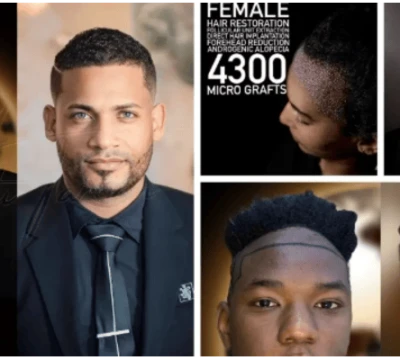
Choosing to undergo a hair transplant Turkey procedure is a major step toward restoring not only your hair but also your confidence. Before any treatment begins, the consultation plays a critical role in ensuring safe, personalized, and natural-looking results. At Asli Tarcan Global, this initial stage is designed to be detailed, informative, and fully centered around the patient’s unique needs. The Consultation Process for Hair Transplant Turkey is where medical expertise meets careful planning, laying the foundation for a successful outcome.
A consultation is not just a quick conversation. It is a structured medical evaluation where specialists analyze your hair loss pattern, discuss your expectations, and determine the most suitable approach using advanced techniques such as FUE and DHI. This thorough preparation helps ensure that every hair transplant Turkey procedure is tailored for long-term, natural growth.
Scalp and Donor Area Assessment
One of the most important parts of the consultation is the detailed assessment of the scalp and donor area. Surgeons carefully examine the density, texture, and strength of the hair at the back and sides of the head, which typically serve as the donor zones. These areas are genetically resistant to hair loss, making them ideal for transplantation.
During this stage, specialists evaluate scalp flexibility, hair shaft thickness, and overall donor capacity. This helps determine how many grafts can be safely extracted without overharvesting, which is essential for maintaining a natural appearance both in the donor and recipient areas. High-quality graft selection is a cornerstone of a successful hair transplant Turkey procedure, and this step ensures that only healthy follicles are used.
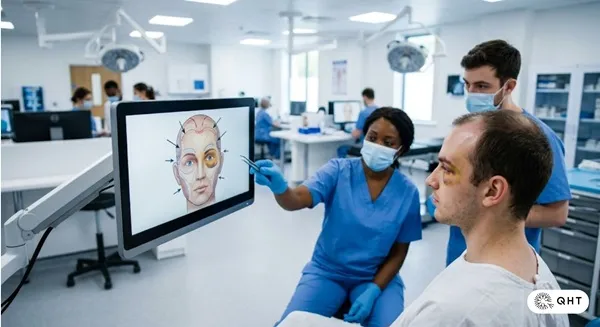
The recipient area is also closely analyzed. The medical team studies the pattern of thinning, the degree of hair loss, and the condition of the scalp skin. This allows them to understand how to distribute grafts evenly and create density where it is needed most. Advanced imaging tools may be used to give patients a clear visual understanding of their current condition and expected improvements.
Discussion of Hair Loss History
Understanding a patient’s hair loss journey is another key element of the Consultation Process for Hair Transplant Turkey. Surgeons discuss when hair thinning began, how rapidly it has progressed, and whether there is a family history of baldness. These factors help determine whether hair loss is stable or still advancing.
Medical history is also reviewed in detail. Patients are asked about existing health conditions, medications, allergies, and previous hair treatments. This ensures that the procedure can be performed safely under local anesthesia and that there are no underlying factors that could affect healing or growth.
Lifestyle habits are sometimes discussed as well. Stress levels, diet, and general health can influence hair quality and recovery. By gathering all this information, the medical team creates a complete profile of the patient. This allows them to set realistic expectations and design a treatment plan that aligns with both current needs and future hair loss patterns.
Technique Recommendation: FUE or DHI
After the assessment and history review, the surgeon recommends the most suitable technique. Two of the most advanced and widely used methods in hair transplant Turkey procedures are Follicular Unit Extraction (FUE) and Direct Hair Implantation (DHI).
FUE involves extracting individual follicular units from the donor area and then implanting them into carefully prepared channels in the recipient area. It is known for minimal scarring, quick recovery, and the ability to cover larger areas of hair loss efficiently. This method is often recommended for patients needing a significant number of grafts.
DHI, on the other hand, uses a specialized implanter pen that allows surgeons to place follicles directly into the scalp without creating separate incisions beforehand. This technique offers exceptional precision in controlling angle, direction, and depth. It is often preferred for refining hairlines, increasing density in specific areas, or for patients who want a highly detailed approach.
The recommendation is always based on the patient’s scalp condition, hair characteristics, and aesthetic goals. In some cases, a combination of techniques may be suggested to achieve the most natural outcome.
Planning Graft Numbers and Hairline
Hairline design is both a medical and artistic process. During the consultation, surgeons work closely with the patient to plan a hairline that suits their facial structure, age, and future hair loss progression. A natural hairline should not be too low or too straight; it should follow the natural contours of the face and look appropriate over time.
The number of grafts required is then calculated. This depends on the size of the balding area, the desired density, and the availability of donor hair. Surgeons explain how grafts are distributed to create a balanced look rather than focusing all density in one area. Proper graft planning ensures that results look full yet natural, avoiding an artificial or overdone appearance.
Patients are also informed about what to expect after the procedure. The team explains the growth timeline, including the temporary shedding phase and when new hair typically starts to grow. Clear communication during this stage helps reduce anxiety and builds confidence in the process.
Conclusion
A successful hair transplant Turkey journey begins long before the procedure day. The consultation is where safety, science, and aesthetics come together. Through a thorough scalp assessment, detailed medical discussion, personalized technique selection, and precise graft planning, patients receive a treatment plan designed specifically for them.
The Consultation Process for Hair Transplant Turkey ensures that no detail is overlooked. By focusing on individual hair characteristics and long-term goals, Asli Tarcan Global provides a structured and supportive experience from the first meeting to post-operative care. This careful preparation is what leads to natural-looking results, smoother recovery, and renewed confidence for patients seeking reliable hair restoration.























Sign in to leave a comment.