
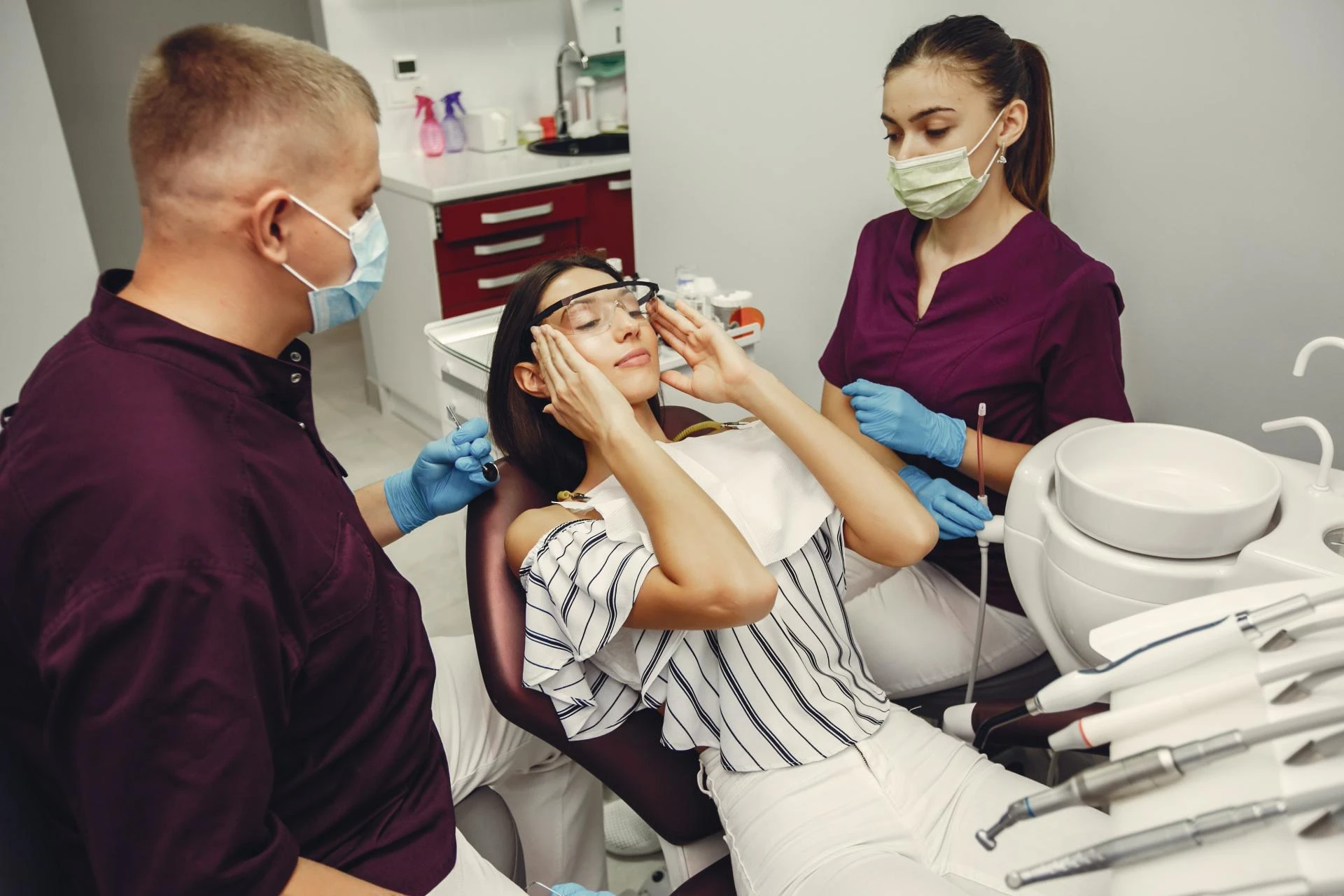
Most people know they should visit the dentist twice a year for a dental cleaning and checkup, but life gets busy. Work schedules shift, kids have activities, and that dental cleaning appointment quietly falls off the calendar. Before long, months or even years pass without a professional exam. Finding a reliable dentist in Channelview, TX, can make it easier to stay on track, but understanding what actually happens when you skip your routine dental cleaning visits is just as important.
The truth is, skipping a dental cleaning is not just about missing a polish. It sets off a chain of events inside your mouth that can lead to cavities, gum disease, pain, costly treatments, and health complications that reach far beyond your teeth.
Whether you are managing a busy household or juggling multiple jobs, prioritizing regular dental cleaning appointments can help protect your oral health and keep your smile healthy for years to come. Finding a reliable dentist in Channelview TX can make it easier to stay on track, but understanding what actually happens when you skip those visits is just as important.
Why Regular Dental Cleaning Is Essential for Your Oral Health
A professional dental cleaning does much more than make your teeth look brighter. During a routine visit, your dentist or dental hygienist removes plaque and hardened tartar that daily brushing and flossing cannot eliminate. This helps prevent cavities, gum disease, bad breath, and other oral health issues before they become serious. Regular dental cleaning appointments also allow your dentist to detect early signs of tooth decay, oral infections, or other dental concerns, making treatment simpler and more affordable. By scheduling a dental cleaning every six months, you can protect your smile, improve your overall health, and reduce the risk of costly dental procedures in the future.
Gum Disease Can Develop Silently
Gingivitis, the earliest stage of gum disease, often shows no pain at all. You might notice a little bleeding when you brush, or your gums may look slightly redder than usual. Most people dismiss these signs or do not notice them.
Without a professional cleaning and exam, gingivitis progresses into periodontitis. At this stage, the infection moves below the gum line, destroying the bone and tissue that hold your teeth in place. Periodontitis is the leading cause of tooth loss in adults, and it is largely preventable with routine cleanings.
Who Is Most at Risk?
Certain groups face a higher risk of gum disease when cleanings are skipped. Smokers, diabetics, pregnant women, and people taking medications that cause dry mouth are all more vulnerable. Children and teens who skip cleanings may also develop early signs of decay that go undetected without a professional exam.
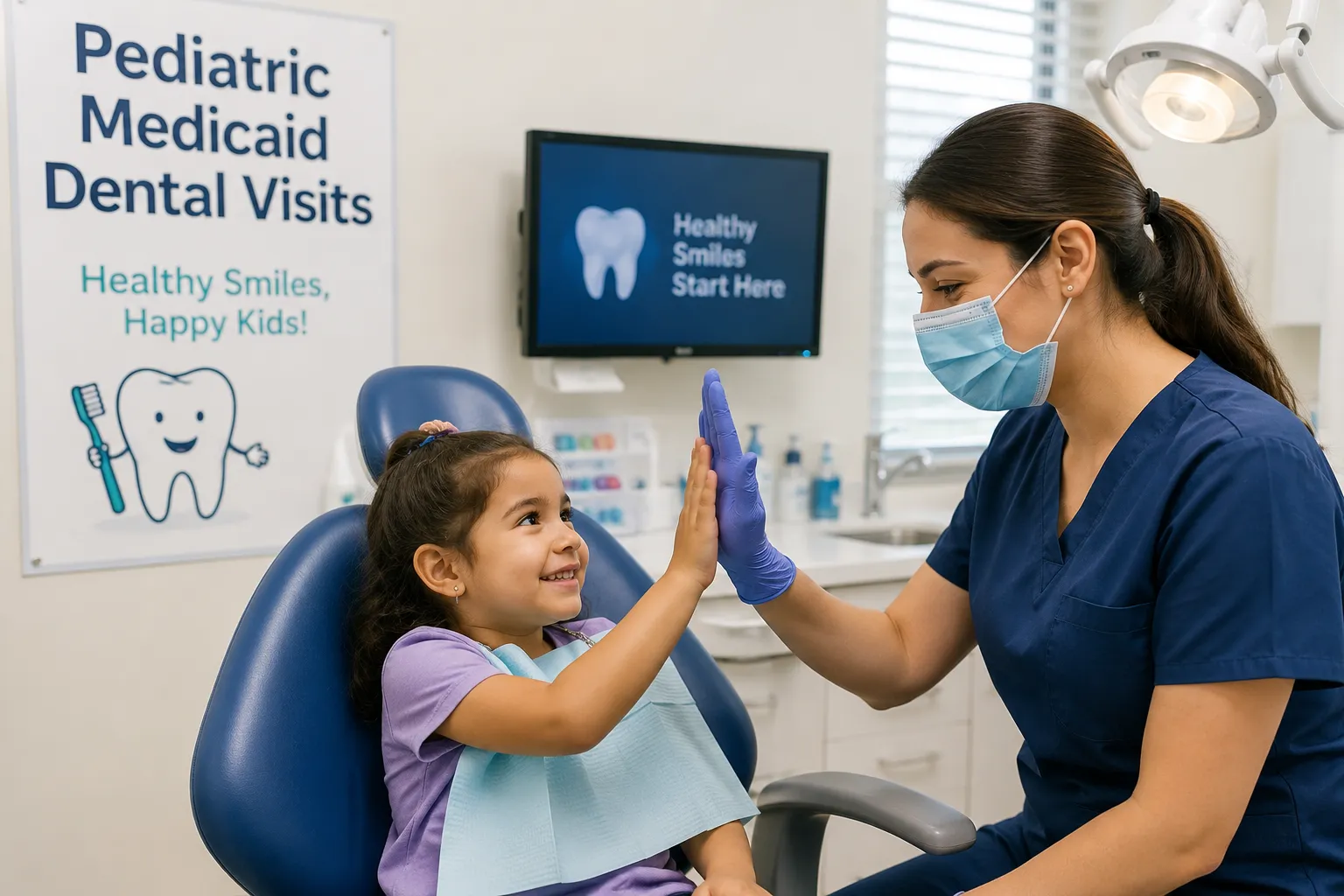
Families that rely on Medicaid or insurance-based dental plans often have access to preventive cleanings at little or no cost. Taking advantage of those benefits is one of the simplest ways to protect the whole family.
Cavities Go Undetected and Get Worse
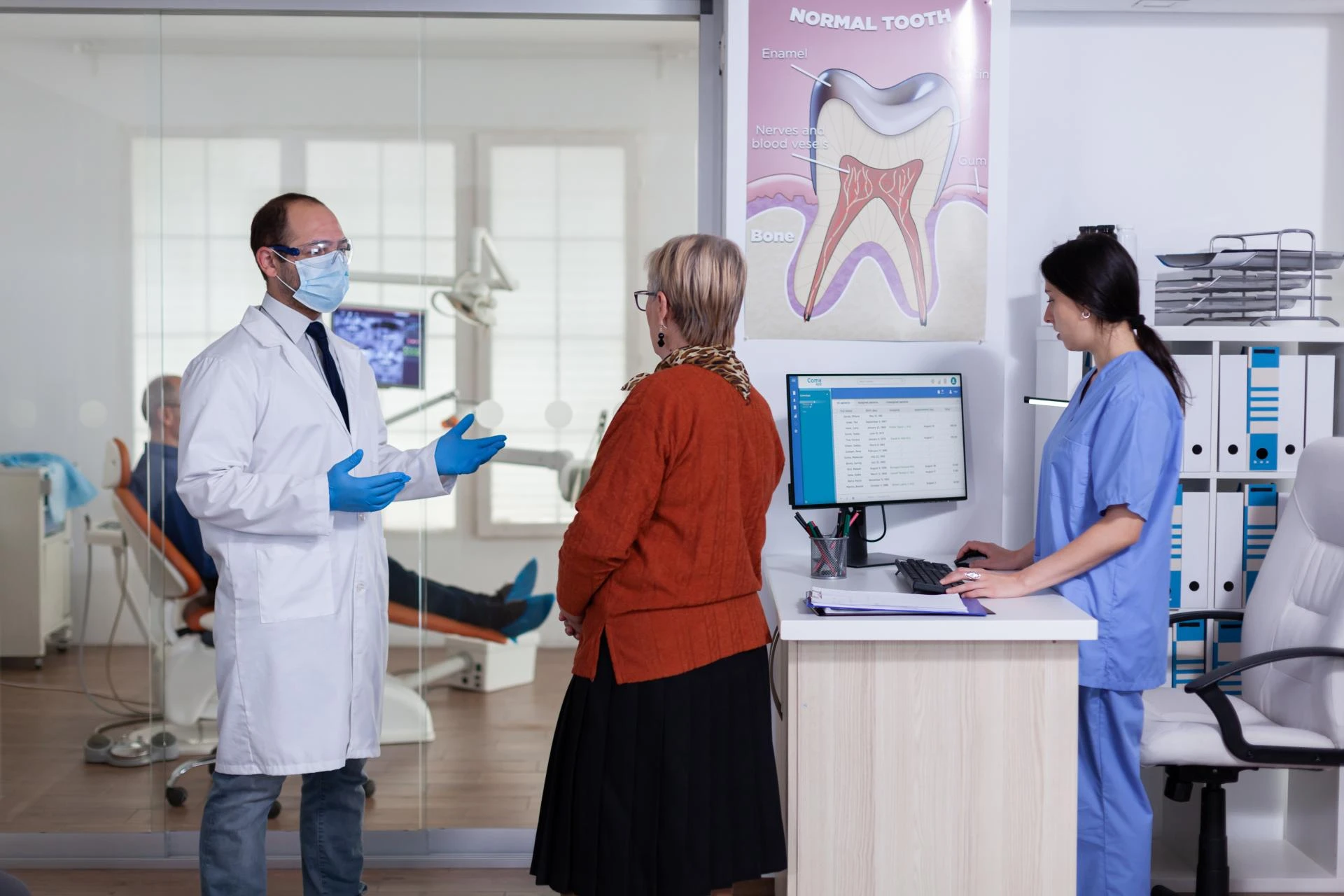
A cavity in its earliest stage is a small spot of demineralization on the enamel. At this point, it can sometimes be reversed with fluoride treatment. But without a dental exam, that tiny spot grows. It penetrates deeper into the tooth structure, eventually reaching the nerve.
Once decay reaches the pulp of the tooth, a simple filling is no longer enough. You may need a root canal, a crown, or in severe cases, an extraction. What could have been a quick, affordable fix turns into a costly and uncomfortable procedure.
Regular cleanings include a thorough examination, and that examination is where small problems are caught before they become big ones.
Your Overall Health Takes a Hit
Research continues to show strong connections between oral health and systemic health. Bacteria from untreated gum disease can enter the bloodstream and contribute to serious conditions including heart disease, stroke, respiratory infections, and complications with diabetes.
For pregnant women, periodontal disease has been linked to preterm birth and low birth weight. For older adults, poor oral health is associated with cognitive decline and pneumonia.
Skipping a dental cleaning is not just a mouth problem. It is a whole-body risk that compounds over time. Accessing comprehensive dental services on a regular schedule helps keep these risks in check.
The Financial Cost of Waiting Adds Up Quickly
One of the most common reasons people skip dental cleanings is cost. Ironically, skipping preventive care almost always leads to higher expenses down the road.
Here is a rough comparison of what preventive care costs versus what delayed treatment can cost:
- Routine cleaning and exam: relatively low cost, often covered by insurance or Medicaid
- Filling a small cavity: moderate cost
- Root canal with crown: significantly higher, sometimes several times the cost of a cleaning
- Tooth extraction plus implant or bridge: the most expensive option
Prevention is always cheaper than treatment. Every cleaning you attend is an investment that saves money in the long run.
How Often Should You Really Get a Cleaning?
The standard recommendation is every six months for most adults and children. Some patients with a history of gum disease or other risk factors may need cleanings every three to four months.
A dentist in Channelview TX who understands your family's needs can set up a schedule that works with your lifestyle. Many practices now offer flexible hours, weekend availability, and walk-in options to make it easier for working adults and busy parents to stay current on their care.
What Happens During a Typical Cleaning?
A professional dental cleaning typically includes:
- Removal of plaque and tartar from all tooth surfaces
- Polishing to remove surface stains
- Flossing to clean between teeth
- A fluoride treatment, especially for children
- A full oral exam to check for cavities, gum disease, oral cancer, and other issues
The entire appointment usually takes less than an hour. For the protection it provides, that is a small time commitment with a big return.
Signs You Have Already Waited Too Long
If you have been putting off your cleaning, watch for these warning signs:
- Bleeding gums when brushing or flossing
- Persistent bad breath that does not go away with mouthwash
- Tooth sensitivity to hot or cold
- Visible dark spots or discoloration on teeth
- Swollen, red, or tender gums
- Loose teeth or changes in your bite
Any of these symptoms means it is time to schedule an appointment. The sooner you go, the less invasive and less expensive the treatment will be.
Skipping a dental cleaning might seem harmless in the moment, but the consequences build quietly. Plaque turns to tartar, gums become inflamed, cavities grow deeper, and your overall health can suffer. The financial cost of delayed care almost always exceeds the cost of prevention.
Staying on schedule with professional cleanings is one of the simplest and most effective things you can do for your health. Whether you are caring for a growing family or managing your own busy life, making time for that appointment twice a year pays off in healthier teeth, lower costs, and greater peace of mind.
Frequently Asked Questions
1. What happens if you don't get your teeth cleaned regularly?
Plaque hardens into tartar, gum disease can develop silently, and small cavities grow into painful problems that require expensive treatment.
2. How often should you go to the dentist for a cleaning?
Most adults and children should get a professional cleaning every six months, though some patients with gum disease may need visits every three to four months.
3. Can skipping dental cleanings affect your overall health?
Yes, bacteria from untreated gum disease can enter the bloodstream and contribute to heart disease, stroke, respiratory infections, and pregnancy complications.
























Sign in to leave a comment.