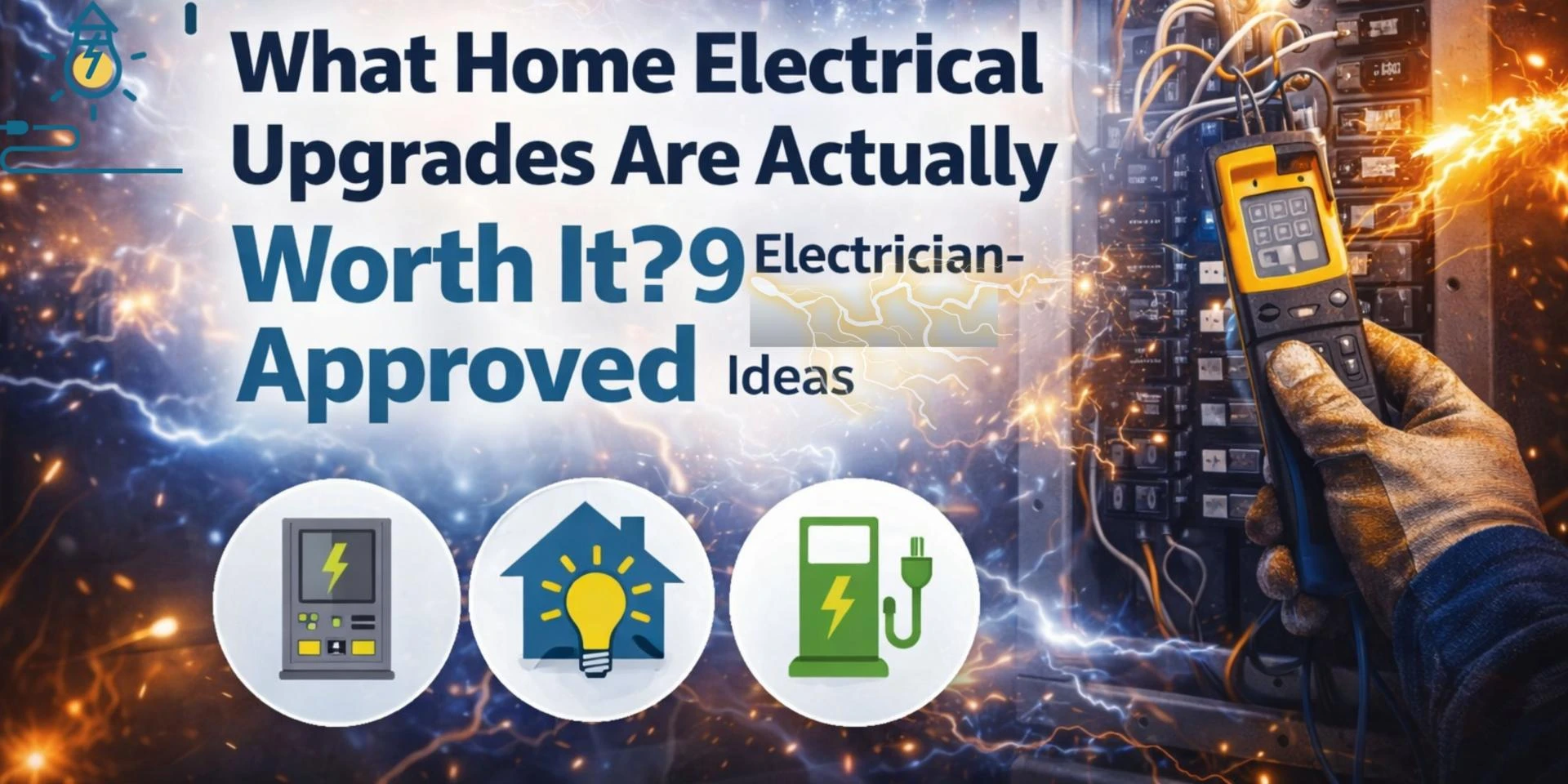

Let’s be honest, most homeowners don’t think about electrical upgrades until something starts buzzing, burning, or flat-out stops working. And trust me, that’s usually when things get expensive. According to the U.S. EIA, over half of a home’s energy use comes from lighting and electrical systems, which means bad wiring and outdated panels hit you in two places: safety and your wallet.
And yes — if you ever need an electrician in San Marcos TX, Q Electric is already fixing these issues daily.
This guide breaks down the upgrades that actually matter, the ones that don’t move the needle much, and the ones I personally think are non-negotiable.
What Are Home Electrical Upgrades?
Electrical upgrades basically mean making your home safer, stronger, and a little smarter than it was yesterday. It’s not fancy — it’s practical. It’s the stuff that keeps breakers from popping and plugs from melting.
And no, not every upgrade is worth it. That's why we’re sorting them out properly here.
Why Do Homeowners Even Need These Upgrades?
Because most homes were built long before we started plugging in:
- 85" TVs
- Gaming PCs
- EV chargers
- 10 kitchen appliances
- A whole smart home ecosystem
Today's houses eat power like never before. Old electrical systems… don’t. That mismatch? That’s where the problems start.
Flickering. Tripping. Burning smells. Hot outlets.
Yeah — I’ve seen it all.
The good news? The right upgrades actually solve all of that. Most aren’t just "nice to have." They’re “don’t-wait-too-long-or-it’ll-cost-more-later.”
9 Home Electrical Upgrades Worth Your Money (And Not Just Because Electricians Say So)
Here’s what genuinely works, what tends to fail, and my take on each one.
1. Electrical Panel Upgrade (My #1 Pick, No Question)
If your panel is old, small, or sounds like it wants to explode, upgrading it is always worth it.
Signs your panel is too old:
- Breakers trip like crazy
- You smell something burnt
- Lights dim when you use big appliances
- The panel is warm to the touch
- It's 25+ years old
What usually works well:
A 150–200 amp panel. Clean, modern, and ready for all your appliances.
What often fails:
Trying to “add more circuits” to a tired old panel. It’s like trying to put a turbo on a dying engine.
My judgement:
If you can only afford one upgrade this year, do this one.
2. Whole-Home Surge Protection (Most People Skip It… Until They Regret It)
A single lightning strike or power surge can burn your:
- TV
- AC system
- Fridge
- Washer
- Router
I've seen homeowners lose thousands in one bad surge.
What works:
A whole-home surge protector installed at the panel.
What fails:
Cheap $8 plug-in strips. They don’t stop big surges — they just give you a false sense of security.
My judgement:
This upgrade is cheap, fast, and saves you from big headaches. Totally worth it.
3. LED Lighting Conversion (Small Upgrade, Big Savings)
Look — LEDs just make sense. They last longer, look better, and cut your power bill.
What usually works:
Upgrading kitchens, living rooms, and outdoor spaces first. You see the difference immediately.
What often fails:
Mixing cheap LEDs with old dimmers. They flicker like a horror movie scene.
My judgement:
One of the easiest upgrades with a noticeable payoff.
4. Smart Switches & Dimmers (Better Than Smart Bulbs, Every Time)
People love smart bulbs… until they start disconnecting every week.
Smart switches? Much better.
What works:
Smart switches that control entire fixtures, not just one bulb.
What fails:
WiFi-dependent bulbs that freak out whenever the internet drops.
My judgement:
If you're going “smart home,” start with switches — not bulbs.
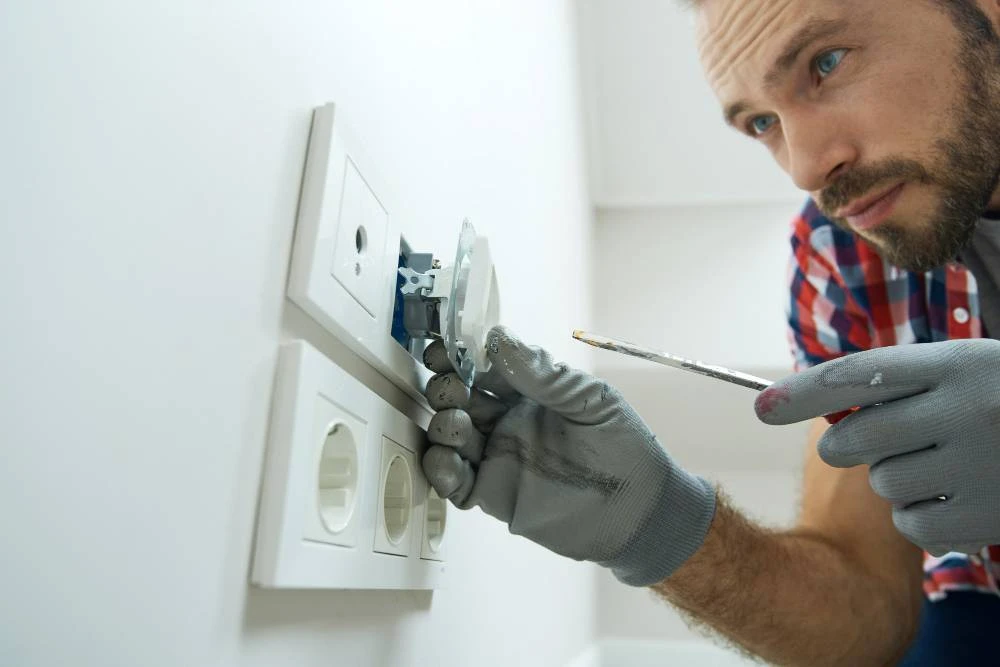
5. GFCI & AFCI Outlets (The Bare Minimum for Safety)
GFCIs protect you around water. AFCIs stop fires in the walls.
You need both — no debate.
What works:
Installing them in the right places: kitchens, bathrooms, laundry rooms, garages, outdoor areas.
What fails:
Homeowners trying to DIY these. It’s not like changing a lightbulb. I've seen people wire them backward and wonder why nothing works.
My judgement:
Essential. Affordable. Zero excuses not to upgrade.
6. Rewiring Older Homes (If Your Home Is from the 1970s or Older… Pay Attention)
Old wiring is dangerous. And no, it won’t “just keep working.”
What usually works:
Replacing aluminum or brittle knob-and-tube wiring fully — not patching it.
What fails:
Mixing old wiring with new circuit loads. That’s a fire waiting to happen.
My judgement:
If your home is older than 1980, at least get an inspection. Rewiring might save your house one day.
7. Dedicated Circuits for Appliances (Stops the Constant Tripping)
A single refrigerator on a shared circuit? Bad idea.
A microwave and toaster on the same one? Even worse.
What usually works:
Adding dedicated circuits for:
- AC
- Oven
- Microwave
- Dishwasher
- Washer/dryer
- EV chargers
What fails:
Plugging multiple heavy appliances into one “kitchen circuit.”
My judgement:
One of the quickest ways to stop nuisance tripping and extend the life of your appliances.
8. Outdoor & Security Lighting (Looks Good and Protects Your Home)
Yes, outdoor lights actually improve safety. The DOJ says better lighting can cut crime by 36%. And honestly, your home just feels better with clean, bright pathways.
What works:
Motion-sensor floodlights and walkway lighting.
What fails:
Solar lights from the bargain bin. They die fast.
My judgement:
Great upgrade for both looks and safety.
9. EV Charger Installation (If You Plan to Own an EV… Do This Early)
Public charging gets old fast.
Home charging is cheaper, faster, and 100x more convenient.
What usually works:
A 240V Level 2 charger.
What fails:
Trying to charge an EV using a regular outlet. It takes forever, and the outlet gets dangerously hot.
My judgement:
Future-proofing your home is smart. Even if you don’t own an EV yet, buyers love this.
Quick Comparison: Upgrading vs. Ignoring
| Upgrade | Worth It? | What Happens If You Skip It |
|---|---|---|
| Panel Upgrade | Absolutely | Breakers trip, appliances strain |
| Surge Protection | Yes | Costly damage during storms |
| LED Lighting | Yes | Higher energy bills |
| Smart Switches | Most of the time | Outdated controls |
| GFCI/AFCI | Always | High shock/fire risk |
| Rewiring | Essential in older homes | Fire hazards |
| Dedicated Circuits | Yes | Annoying tripping |
| Outdoor Lighting | Yup | Dark, unsafe exterior |
| EV Charger | Growing necessity | No home charging convenience |
How Q Electric Helps Homeowners Choose the Right Upgrades
Some electricians push upgrades you don’t need.
Q Electric doesn’t work that way.
Here’s what they actually do:
- Inspect your home honestly
- Prioritize safety before fancy features
- Explain upgrades in simple words
- Give clear pricing
- Install everything to code
- Make sure your home is ready for future tech
Whether you're in San Antonio, San Marcos, or surrounding Texas areas, they handle everything from panel upgrades to rewiring without the upsell games.
Conclusion: Which Upgrades Are Truly Worth It?
Here’s my honest ranking:
Top 3 must-do upgrades:
- Panel upgrade
- Surge protection
- GFCI/AFCI upgrades
High-value upgrades:
4. LED lighting
5. Dedicated circuits
6. Smart switches
Future-proof upgrades:
7. EV charger
8. Outdoor/security lighting
9. Rewiring (for older homes)
If you want a safer, smoother, more modern home, start with those.
And if you're unsure what your home actually needs, call Q Electric. They’ll tell you what matters and what doesn’t — without making your wallet cry.























Sign in to leave a comment.