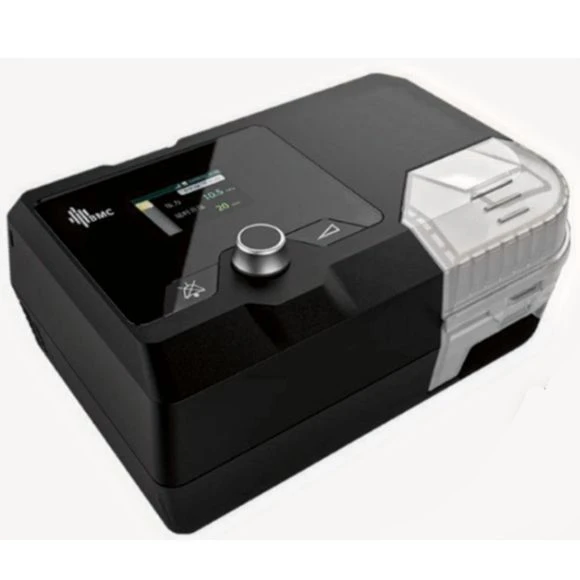
As home-based healthcare becomes more advanced and accessible, families across India are seeking smarter ways to manage chronic respiratory conditions. One such innovation reshaping respiratory care is the BPAP machine, short for Bilevel Positive Airway Pressure. While many are familiar with CPAP machines, BPAP is often the better-suited solution for patients with more complex breathing challenges.
If you’re wondering what a BPAP machine does, who it’s meant for, and whether renting one might be the right move for your household, this guide is for you.
What Is a BPAP Machine?
A BPAP machine delivers pressurized air to help individuals breathe more easily, especially during sleep. It works similarly to a CPAP (Continuous Positive Airway Pressure) machine but with one key difference: it delivers two pressure levels instead of one.
- IPAP (Inspiratory Positive Airway Pressure): Helps the patient inhale by providing higher pressure when breathing in.
- EPAP (Expiratory Positive Airway Pressure): Uses lower pressure when the patient exhales, making it easier and more comfortable to breathe out.
This dual-pressure system supports people whose lungs need more dynamic assistance—especially those who can’t exhale comfortably against the steady pressure of a CPAP machine.
Who Needs a BPAP Machine?
While CPAP machines are primarily used for obstructive sleep apnea, BPAP machines are recommended for more advanced or complex respiratory conditions. You may need one if you or a loved one is dealing with:
- Central Sleep Apnea (CSA): A condition where the brain fails to signal the muscles to breathe.
- Chronic Obstructive Pulmonary Disease (COPD): BPAP helps prevent carbon dioxide buildup and improves breathing efficiency.
- Congestive Heart Failure (CHF): BPAP can ease the workload on the heart by improving oxygenation.
- Neuromuscular Disorders: Conditions like ALS or muscular dystrophy that weaken the respiratory muscles.
- Severe obesity hypoventilation syndrome (OHS): Where breathing during sleep is shallow or ineffective.
In short, BPAP is used when standard CPAP therapy is not sufficient or not tolerated.
Benefits of BPAP Therapy at Home
Opting for BPAP therapy at home can greatly enhance a patient’s quality of life and reduce dependency on hospital visits. Here’s how:
- Customized Pressure Support: The dual settings allow for more comfortable and natural breathing patterns.
- Better Tolerance: Many patients find BPAP easier to use long-term than CPAP, especially if they have difficulty exhaling.
- Improved Oxygenation: For those with severe lung issues, BPAP can increase oxygen absorption and reduce fatigue.
- Non-invasive alternative to ventilation: BPAP is often used to avoid or delay the need for intubation in acute cases.
Should You Buy or Rent a BPAP Machine?
Here’s where many families hesitate: should we invest in a BPAP machine or rent one? The answer depends on the situation, but for most, renting makes practical sense, especially in these scenarios:
- Post-hospital discharge for temporary respiratory support
- Trial period to see if BPAP therapy is well-tolerated before purchasing
- Short-term illnesses like pneumonia where BPAP is only needed temporarily
- Financial constraints that make upfront costs difficult to manage
Many trusted medical equipment providers now offer BPAP on rent, including delivery, setup, and maintenance—making it easy to get started with minimal hassle.
Key Features to Look for in a BPAP Machine
If you’re planning to rent or buy a BPAP machine, don’t just pick the first one available. Make sure it includes:
- Ramp feature: Starts at a lower pressure and gradually increases, helping users fall asleep comfortably.
- Humidifier: Prevents dryness and irritation in the airways.
- Data tracking: Monitors usage, leak rates, and breathing patterns.
- Battery backup: Ensures uninterrupted use during power cuts.
- Noise level: Quieter machines improve sleep quality for both the user and caregiver.
Always consult a pulmonologist or sleep specialist to ensure you're getting the correct settings and model.
Remember, BPAP is not a replacement for an oxygen concentrator—and vice versa. In fact, for patients with both poor oxygenation and breathing difficulties, a BPAP machine may be used alongside a home O2 concentrator under medical supervision.
Final Thoughts
BPAP machines are no longer limited to ICU setups or specialized clinics. With the growing shift toward home-based respiratory care, families now have access to advanced solutions that once required hospitalization. Whether for sleep apnea, COPD, or post-COVID complications, BPAP can be life-changing when used correctly.






















Sign in to leave a comment.