

Chiropractic care has evolved significantly over the years, incorporating various techniques and tools to enhance patient treatment. One such tool that has gained popularity among chiropractors is the chiropractic traction table. This innovative equipment is designed to provide spinal decompression, which can alleviate pain and promote overall spinal health. Understanding what a chiropractic traction table is and how it functions is essential for both practitioners and patients seeking effective chiropractic treatments.
The Concept of Chiropractic Traction
To fully appreciate the significance of a chiropractic traction table, it is vital to grasp the concept of traction itself. Traction in chiropractic care refers to the application of a pulling force to the spine, designed to relieve pressure on the vertebrae and intervertebral discs. This spinal decompression can help alleviate various conditions, including herniated discs, sciatica, and general back pain.
When the spine is subjected to traction, the spaces between the vertebrae increase, allowing for better circulation of spinal fluid and improved nutrient transport to the discs. This process not only aids in pain relief but also promotes healing and recovery. The chiropractic traction table serves as a specialized platform that facilitates this therapeutic technique, ensuring a safe and controlled environment for patients.
The Anatomy of a Chiropractic Traction Table
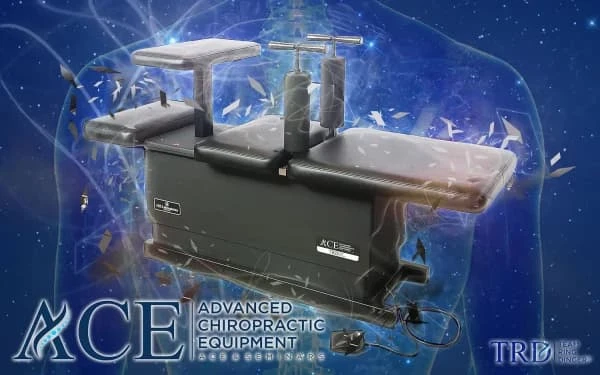
A chiropractic traction table is meticulously designed to provide the optimal conditions for spinal decompression. The table typically features adjustable components, allowing practitioners to customize the treatment according to each patient's unique needs. Key features often include a split table design, which allows for differential traction of the upper and lower body, and mechanisms for adjusting the angle and intensity of the traction force.
The table's design is structured to support the patient's body comfortably while facilitating effective traction. Many tables come equipped with harnesses or straps to secure the patient in place during treatment. This safety feature ensures that patients remain stable and relaxed throughout the procedure, maximizing the effectiveness of the traction therapy.
How Does a Chiropractic Traction Table Work?
The operation of a chiropractic traction table is straightforward yet highly effective. During a typical session, the patient lies on the table in a comfortable position. The chiropractor then adjusts the settings of the table to determine the appropriate level of traction force and angle. Once the setup is complete, the table gently pulls and stretches the spine, creating space between the vertebrae.
This process can be automated in many modern chiropractic traction tables, allowing for precise control over the traction force. Some tables use a combination of mechanical and electrical systems to deliver consistent and adjustable traction. Patients often experience a sense of relief as the tension in their back and neck begins to diminish, creating a feeling of lightness and relaxation.
The duration of each traction session can vary depending on the patient's specific condition and treatment plan. Typically, sessions last anywhere from 15 to 30 minutes, during which the patient is monitored by the chiropractor to ensure their comfort and safety. This careful approach further enhances the therapeutic benefits of the treatment.
Benefits of Using a Chiropractic Traction Table
The benefits of utilizing a chiropractic traction table are numerous, making it a valuable tool in the chiropractic profession. One of the primary advantages is its ability to provide targeted spinal decompression, which can lead to significant pain relief. Patients suffering from chronic back pain often find relief through traction therapy, as it reduces pressure on the spinal discs and nerves.
Moreover, the chiropractic traction table can promote improved posture and spinal alignment. By decompressing the spine, the table helps to realign vertebrae that may have shifted due to poor posture or injury. This realignment can enhance overall body mechanics, reduce strain on muscles, and prevent future injuries.
Additionally, traction therapy can facilitate enhanced circulation within the spinal column. Improved blood flow contributes to the delivery of essential nutrients to spinal tissues, promoting healing and recovery. Patients often notice an increase in mobility and flexibility following traction sessions, as the decompression allows for greater range of motion.
Who Can Benefit from Chiropractic Traction?
Chiropractic traction therapy is suitable for a wide range of patients, particularly those experiencing issues related to spinal health. Individuals with herniated or bulging discs can greatly benefit from traction, as it alleviates pressure on the affected discs, reducing pain and discomfort. Those suffering from sciatica, which often results from nerve compression in the lower back, may also find relief through this treatment.
Athletes and active individuals prone to back strain or injury can utilize chiropractic traction as a preventive measure. By promoting spinal health and flexibility, traction therapy can enhance athletic performance and reduce the risk of injury during physical activities.
It is essential for patients to consult with a qualified chiropractor before starting traction therapy. A thorough assessment of their medical history and condition will help determine whether chiropractic traction is appropriate for their specific needs and circumstances.
Considerations and Precautions
While chiropractic traction therapy is generally safe and effective, certain precautions must be taken into account. Patients with specific medical conditions, such as severe osteoporosis, spinal fractures, or certain types of cancer, may not be suitable candidates for traction therapy. It is crucial for chiropractors to conduct thorough evaluations and consider contraindications before recommending treatment.
Furthermore, the effectiveness of chiropractic traction can vary among individuals. While many patients report significant relief and improvement, others may experience minimal benefits. This variability underscores the importance of personalized treatment plans and ongoing communication between the patient and chiropractor.
Conclusion
In conclusion, the chiropractic traction table is an invaluable tool in the realm of chiropractic care, offering a non-invasive approach to spinal decompression and pain relief. By understanding the mechanics and benefits of this specialized equipment, both practitioners and patients can make informed decisions about their treatment options.
As chiropractic care continues to evolve, the integration of innovative tools like the chiropractic traction table highlights the commitment to enhancing patient outcomes. For those interested in exploring the benefits of chiropractic traction therapy, Advanced Chiropractic Equipment LLC is here to provide you with the resources and support you need.
Contact today to learn more about how chiropractic traction can transform your spinal health and well-being!



























Sign in to leave a comment.