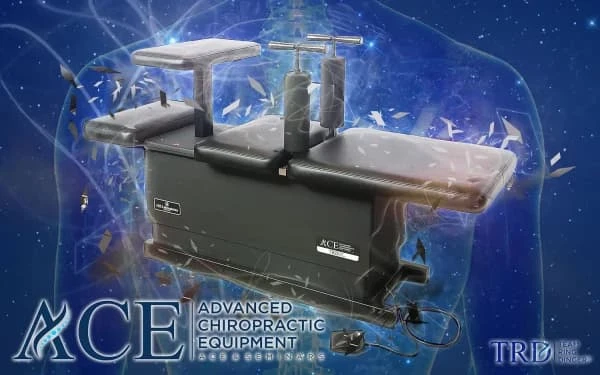

Herniated discs are a common cause of pain and discomfort, affecting millions of individuals worldwide. As the spine ages or undergoes injury, the soft inner material of a spinal disc can protrude through the tougher exterior, leading to a variety of symptoms, including pain, numbness, and weakness. For those seeking relief, chiropractic care, particularly the use of chiropractic decompression table, has emerged as a promising non-surgical treatment option. This article explores how chiropractic decompression tables work and their effectiveness in treating herniated discs.
Understanding Herniated Discs
A herniated disc, also known as a slipped or ruptured disc, occurs when the gel-like center of a spinal disc bulges out through a tear in the outer layer. This can happen due to age-related degeneration, injury, or repetitive stress on the spine. When the disc herniates, it can press on nearby nerves, leading to pain, tingling, or weakness in the arms or legs, depending on the location of the herniation.
Common symptoms of a herniated disc may include:
- Localized pain: This is often felt in the lower back or neck, depending on the disc affected.
- Radiating pain: Pain may extend down the arms or legs, commonly referred to as sciatica when it radiates down the leg.
- Numbness or tingling: Patients may experience sensory changes in the areas served by the affected nerves.
- Muscle weakness: In some cases, herniated discs can cause weakness in the muscles controlled by the affected nerves.
Given the variety of symptoms and the impact on quality of life, finding effective treatment options is crucial for those suffering from herniated discs.
The Role of Chiropractic Care
Chiropractic care focuses on the diagnosis and treatment of musculoskeletal disorders, especially those related to the spine. Chiropractors employ various techniques to restore spinal alignment, improve mobility, and alleviate pain. One such approach is spinal decompression therapy, which utilizes specially designed chiropractic decompression tables.
How Chiropractic Decompression Tables Work
Chiropractic decompression therapy aims to relieve pressure on the spinal discs and surrounding structures. The therapy involves the use of a decompression table that gently stretches the spine, creating a negative pressure within the intervertebral discs. This process has several beneficial effects:
1. Reduction of Disc Pressure
During decompression therapy, the spinal discs are gently stretched, which can alleviate pressure on the herniated disc. The negative pressure created within the disc allows the protruding material to retract back into the disc space. This retraction can reduce nerve irritation and alleviate pain associated with the herniated disc.
2. Improved Blood Flow and Nutrient Exchange
Chiropractic decompression tables facilitate increased blood flow to the affected area. Enhanced circulation allows essential nutrients and oxygen to reach the discs and surrounding tissues, fostering healing and recovery. Improved blood flow can also help reduce inflammation and promote the body’s natural healing processes.
3. Restoration of Spinal Alignment
Misalignment of the spine can contribute to disc problems and exacerbate pain. Chiropractic decompression therapy not only addresses the herniated disc but also helps restore proper alignment to the spine. By correcting misalignments, chiropractors can improve overall spinal function and reduce the risk of future disc issues.
4. Pain Relief and Improved Mobility
Patients undergoing decompression therapy frequently report significant pain relief and improved mobility. By alleviating pressure on the affected nerves and restoring spinal alignment, chiropractic decompression tables can lead to a reduction in symptoms associated with herniated discs. As pain subsides, patients often experience an increased range of motion and improved quality of life.
The Treatment Process
The process of using a chiropractic decompression table for herniated discs typically involves several key steps:
1. Comprehensive Evaluation
Before beginning treatment, the chiropractor conducts a thorough evaluation of the patient’s medical history and current condition. This evaluation may include physical examinations, diagnostic imaging (such as X-rays or MRIs), and assessments of pain levels and functional limitations. Understanding the specifics of the herniated disc is essential for developing an effective treatment plan.
2. Customized Treatment Plan
Based on the evaluation, the chiropractor creates a customized treatment plan tailored to the patient’s needs. This plan may include a series of decompression therapy sessions, along with complementary treatments such as manual adjustments, soft tissue therapy, or rehabilitation exercises.
3. Decompression Therapy Sessions
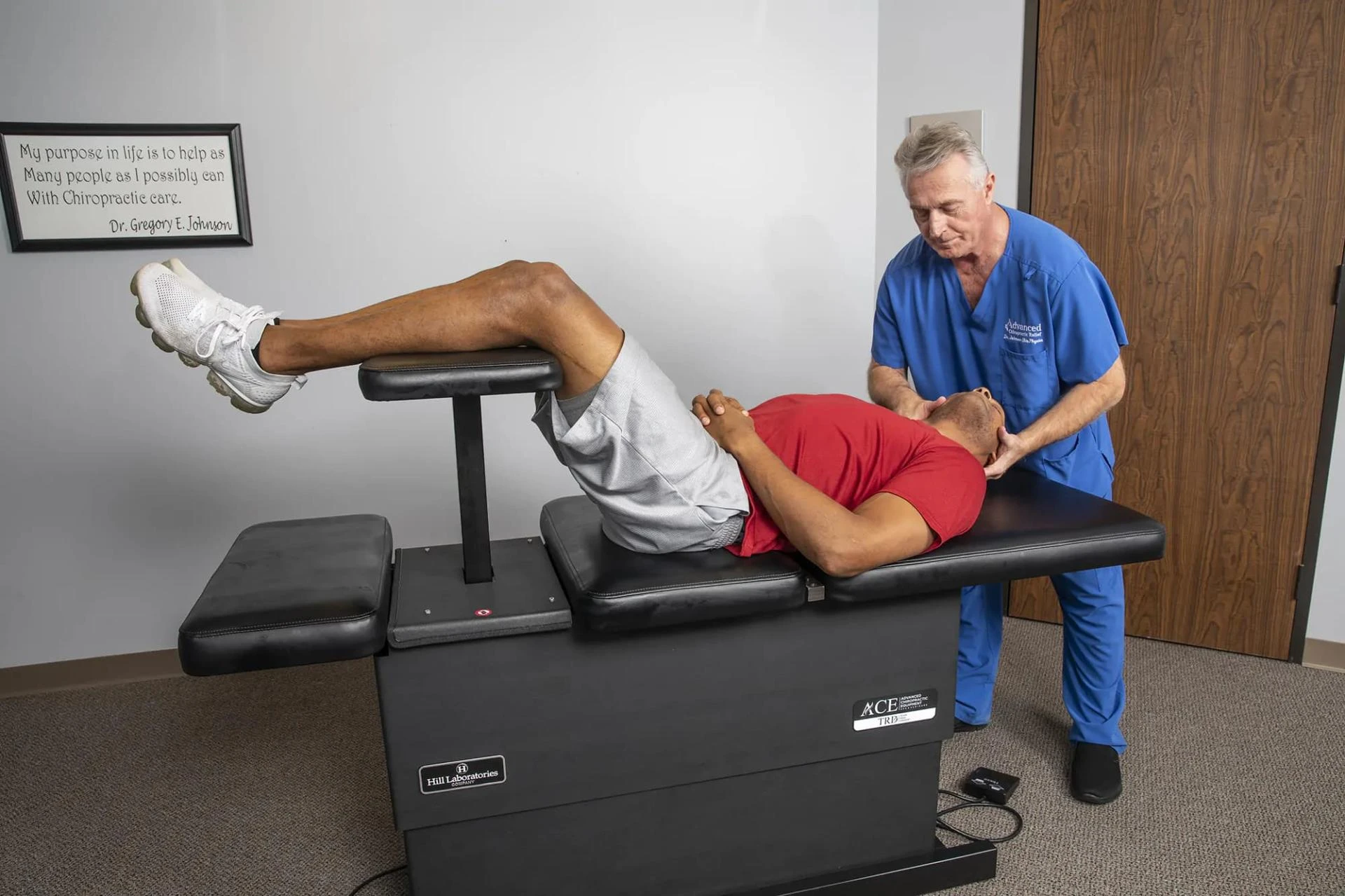
During each decompression therapy session, the patient lies on the chiropractic decompression table while the chiropractor adjusts the settings to provide the appropriate level of traction. The therapy typically lasts between 15 to 30 minutes, during which the spine is gently stretched to allow for decompression of the affected disc.
4. Monitoring Progress
Throughout the treatment process, the chiropractor closely monitors the patient’s progress. Regular assessments help determine the effectiveness of the therapy and whether any adjustments to the treatment plan are necessary. Patients are encouraged to provide feedback regarding their symptoms and any changes they experience.
5. Maintenance and Follow-Up
After completing the initial series of decompression therapy sessions, the chiropractor may recommend a maintenance program to help prevent recurrence. This may include periodic follow-up visits, continued rehabilitation exercises, and lifestyle modifications to support spinal health.
Evidence Supporting Chiropractic Decompression Therapy
Numerous studies have investigated the effectiveness of chiropractic decompression therapy for herniated discs. Research indicates that many patients experience significant improvements in pain levels, mobility, and overall quality of life after undergoing decompression therapy.
A review of clinical studies has shown that spinal decompression therapy can be a viable option for patients with herniated discs, leading to both short-term and long-term relief of symptoms. While results may vary based on individual circumstances, many patients find that decompression therapy allows them to avoid more invasive treatments, such as surgery.
Advantages of Using Chiropractic Decompression Tables
Chiropractic decompression tables offer several advantages for patients with herniated discs:
1. Non-Invasive Treatment Option
One of the primary benefits of chiropractic decompression therapy is that it is non-invasive. Unlike surgical options, which carry inherent risks and lengthy recovery times, decompression therapy can provide relief without the need for invasive procedures.
2. Customized Treatment
Chiropractic decompression therapy is tailored to each patient’s unique needs. Chiropractors can adjust the settings on the decompression table to target specific areas of the spine, ensuring that treatment is personalized and effective.
3. Minimal Side Effects
Most patients tolerate chiropractic decompression therapy well, with minimal side effects. While some individuals may experience mild discomfort or soreness after treatment, these effects are generally temporary and resolve quickly.
4. Complementary to Other Treatments
Chiropractic decompression therapy can be effectively combined with other treatment modalities, such as manual adjustments, physical therapy, and rehabilitation exercises. This comprehensive approach can enhance overall outcomes and address various aspects of the patient’s condition.
5. Improved Quality of Life
Many patients report significant improvements in their quality of life after undergoing chiropractic decompression therapy. By alleviating pain and restoring mobility, individuals can return to their daily activities and enjoy a more active lifestyle.
Conclusion: Embracing the Benefits of Chiropractic Decompression Tables
Chiropractic decompression tables represent a valuable tool in the treatment of herniated discs, offering a non-invasive, effective solution for individuals seeking relief from pain and discomfort. By understanding how these tables work and the benefits they provide, patients can make informed decisions about their treatment options.
For those interested in exploring chiropractic decompression therapy and enhancing their practice with the latest technology, Advanced Chiropractic Equipment LLC offers a range of innovative solutions. Take the first step towards improved patient care and explore the options available today!






























Sign in to leave a comment.