

In the field of chiropractic care, the tools and equipment utilized can profoundly influence treatment outcomes. Among these tools, decompression tables play a pivotal role in providing effective spinal decompression therapy. As more practitioners recognize the benefits of spinal decompression for patients suffering from conditions such as herniated discs, sciatica, and chronic back pain, the demand for high-quality decompression tables continues to rise. This article explores the essential considerations for chiropractors when selecting the right decompression table for their patients, ensuring they can deliver optimal care.
Understanding Spinal Decompression Therapy
Spinal decompression therapy is a non-invasive treatment designed to alleviate pressure on the spinal discs and surrounding structures. This technique aims to create a negative pressure environment within the intervertebral discs, allowing for improved blood flow, nutrient exchange, and healing. The therapy is particularly beneficial for patients experiencing pain, numbness, or discomfort due to spinal misalignments or disc-related conditions.
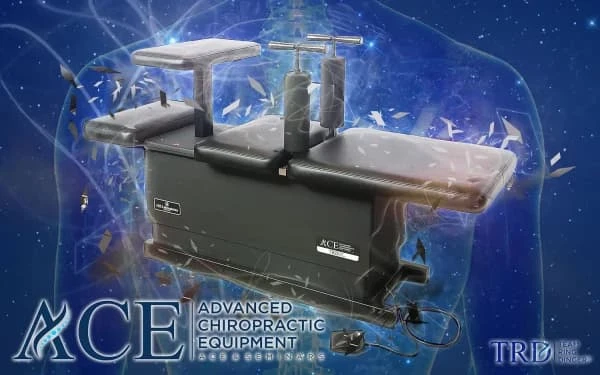
Decompression tables are specifically designed to facilitate this therapy by providing controlled traction and support to the spine. When selecting a decompression table, it is crucial for chiropractors to understand the mechanics of the treatment and the features that enhance its effectiveness.
Key Features to Consider in Decompression Tables
When choosing decompression tables, practitioners should evaluate several key features to ensure that the equipment meets both their clinical needs and those of their patients.
1. Adjustability
One of the most important aspects of decompression tables is their adjustability. A high-quality table should allow practitioners to modify various parameters, including the angle of decompression, the amount of traction applied, and the height of the table. This flexibility enables chiropractors to tailor treatments to each patient’s unique condition and comfort level.
For instance, patients with severe pain may require gentler traction settings, while others may benefit from more aggressive decompression. A table that offers a wide range of adjustment options ensures that chiropractors can provide personalized care that yields optimal results.
2. Comfort and Ergonomics
Patient comfort is paramount during spinal decompression therapy. Decompression tables should be designed with ergonomic considerations to support patients in a relaxed position throughout the treatment. Features such as padded surfaces, adjustable headrests, and contoured designs can enhance the patient experience, making them more likely to comply with treatment recommendations.
Comfortable tables not only improve patient satisfaction but also contribute to better outcomes. When patients are relaxed, they are more receptive to the treatment, allowing for more effective decompression and spinal alignment.
3. Durability and Build Quality
The durability of decompression tables is a critical factor for practitioners. A table must withstand frequent use while maintaining its performance and safety features. High-quality materials, robust construction, and reliable mechanisms are essential for ensuring longevity.
Practitioners should consider tables that have a reputation for durability and are built to handle the rigors of a busy chiropractic practice. Investing in a reliable decompression table can reduce maintenance costs and downtime, allowing for continuous patient care.
4. Safety Features
Safety is a top priority in any healthcare setting, and decompression tables should incorporate essential safety features. Look for tables that include secure locking mechanisms, emergency stop buttons, and proper patient positioning guides. These features can help prevent accidents and ensure that patients receive treatment in a secure environment.
Moreover, practitioners should ensure that the table complies with relevant safety standards and regulations. This consideration helps create a safe treatment space for both patients and practitioners.
5. Technology Integration
Modern decompression tables may incorporate advanced technology to enhance treatment outcomes. Some tables feature digital displays, automated settings, and integrated monitoring functions that allow chiropractors to track patient progress and adjust treatment parameters accordingly.
While technology can add significant value, it is essential to balance advanced features with ease of use. Practitioners should select equipment that enhances their workflow without overwhelming them with complicated controls.
Evaluating Different Types of Decompression Tables
Decompression tables come in various types, each designed for specific applications and treatment styles. Understanding the differences between these systems can help practitioners make informed decisions.
1. Mechanical vs. Non-Mechanical Systems
Decompression tables can be classified into mechanical and non-mechanical systems. Mechanical systems rely on manual adjustments made by the practitioner, while non-mechanical tables utilize automated mechanisms to apply traction.
Mechanical systems may offer a more hands-on approach, allowing chiropractors to adjust the treatment based on real-time patient feedback. Conversely, non-mechanical systems are often more efficient and can accommodate multiple patients in a shorter time frame. Practitioners should consider their treatment style and patient volume when choosing between these options.
2. Table vs. Portable Systems
Decompression equipment is also available in table and portable formats. Table systems are designed for use in a clinical setting and typically feature adjustable components to facilitate spinal decompression therapy. Portable systems, on the other hand, may include lightweight devices that can be used in various settings, including at home or during travel.
For clinics, investing in a table system may provide the stability and range of adjustments needed for effective treatment. Portable systems are suitable for patients seeking at-home therapy or for practitioners wishing to offer mobile solutions. The choice between table and portable systems will depend on the intended use and patient preferences.
Budget Considerations
Selecting decompression tables involves financial considerations, as prices can vary significantly based on features, brand reputation, and intended use. Practitioners should evaluate their budget while considering the long-term value of the equipment.
Investing in high-quality decompression tables may involve a higher initial cost, but the benefits—such as improved patient outcomes and reduced maintenance expenses—can outweigh the upfront investment. It is essential to strike a balance between budget constraints and the quality of the equipment being purchased.
Researching and Comparing Vendors
Once practitioners have determined their needs and preferences, the next step is to research and compare various vendors of decompression tables. This process can help ensure that practitioners make informed decisions when selecting their equipment.
1. Reading Reviews and Testimonials
Reading patient reviews and testimonials can provide valuable insights into the effectiveness of different decompression tables. Online forums, professional associations, and social media groups may offer feedback regarding the performance, reliability, and customer support of various vendors. Positive reviews can indicate a practitioner’s effectiveness and patient satisfaction.
2. Requesting Demonstrations
Many manufacturers and suppliers of decompression tables offer demonstrations of their equipment. Practitioners should take advantage of these opportunities to see the tables in action and assess their features firsthand. Demonstrations can also provide insights into how easy the system is to use and how well it meets the needs of practitioners and patients.
3. Evaluating Customer Support
Reliable customer support is an essential factor when selecting a vendor for decompression equipment. Practitioners should inquire about the level of support offered by the manufacturer, including warranty options, training resources, and availability of technical assistance. A vendor that provides comprehensive support can help practitioners feel confident in their investment and ensure that the equipment remains in optimal working condition.
Implementation and Training
After selecting a decompression table, the next step is to implement it effectively in practice. This process may involve staff training, patient education, and adjusting treatment protocols as necessary.
1. Staff Training
Proper training for staff members is critical to ensure that everyone understands how to operate the decompression table safely and effectively. Training should cover the mechanics of the equipment, patient positioning, and best practices for delivering treatment. By equipping staff with the necessary knowledge, practitioners can create a smooth workflow and enhance patient care.
2. Patient Education
Educating patients about the benefits of spinal decompression therapy and how the equipment works can improve their overall experience. Chiropractors should take the time to explain the treatment process, address any concerns, and provide information about what patients can expect during their sessions. Clear communication can help build trust and encourage patients to embrace the treatment.
3. Monitoring Outcomes
Once the decompression table is in use, it is essential to monitor treatment outcomes. Practitioners should assess patient responses, track progress, and solicit feedback regarding their experiences. This information can guide future adjustments to treatment protocols and help identify areas for improvement.
Conclusion: Elevating Patient Care with the Right Decompression Table
Choosing the right decompression table is a critical decision that can significantly impact patient care and treatment outcomes. By considering key features, evaluating different types of equipment, and conducting thorough research, practitioners can make informed decisions that align with their practice needs.
Investing in high-quality decompression tables not only enhances the effectiveness of treatments but also contributes to improved patient satisfaction. For those ready to elevate their chiropractic practice and offer advanced spinal decompression therapy, Advanced Chiropractic Equipment LLC provides a range of innovative solutions to support your journey. Explore your options today and take the first step towards enhancing your patient care!






























Sign in to leave a comment.