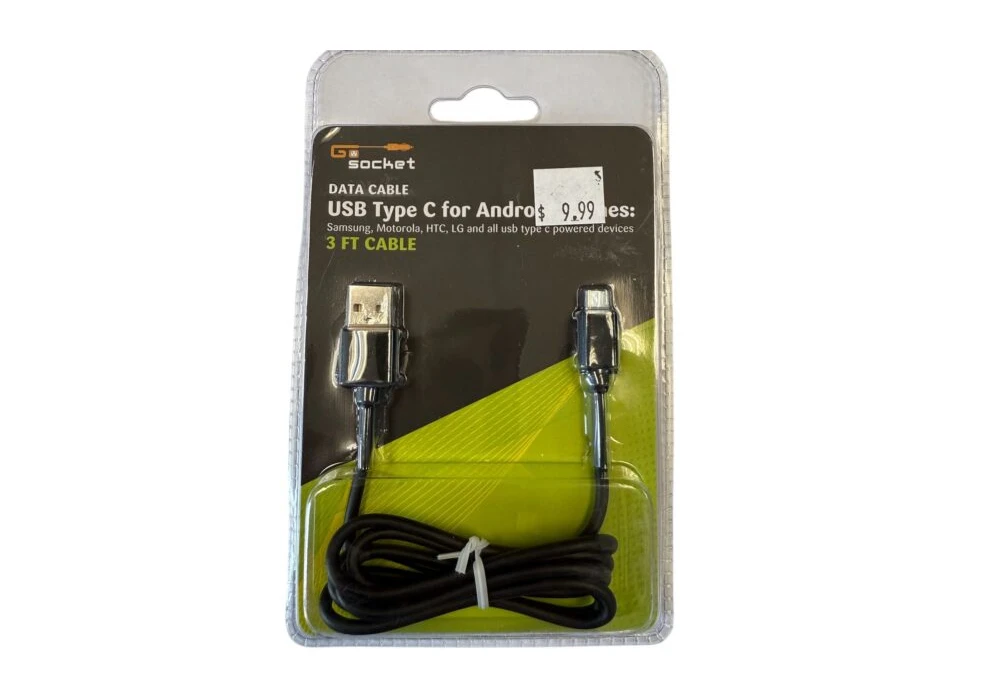

In a world that’s becoming more wireless by the day, it’s easy to forget how essential cables still are, especially when it comes to data transfer and charging. Despite the rise of Bluetooth and Wi-Fi, the humble data cable remains a critical part of our daily tech usage.
Whether you’re backing up your phone, transferring files from your laptop, or charging multiple devices, a USB data cable offers unmatched speed, reliability, and compatibility.
This article will help you understand the basics of data cables, explore the types of USB data cables available, and guide you in choosing the right one for your needs.
What Is a Data Cable?
At its core, a data cable is a physical wire that connects two devices for the purpose of transmitting data. Most often, these cables also allow for power transfer—charging your phone while syncing files with your computer, for example.
Data cables are used in a wide variety of applications, including:
- Transferring files between a smartphone and a computer
- Charging portable devices like tablets, headphones, and cameras
- Connecting external hard drives or USB flash drives
- Powering or syncing smart home devices
The most common type of data cable used today is the USB data cable, thanks to its universal compatibility with computers, phones, and countless other electronic devices.
Types of USB Data Cables
Not all USB data cables are the same. Over the years, USB technology has evolved, resulting in different versions and connectors with varying speeds, functionalities, and physical designs.
1. USB-A to Micro USB
Once the standard for Android phones and small devices, Micro USB cables are now less common but still used for cameras, Bluetooth speakers, and older smartphones.
2. USB-A to USB-C
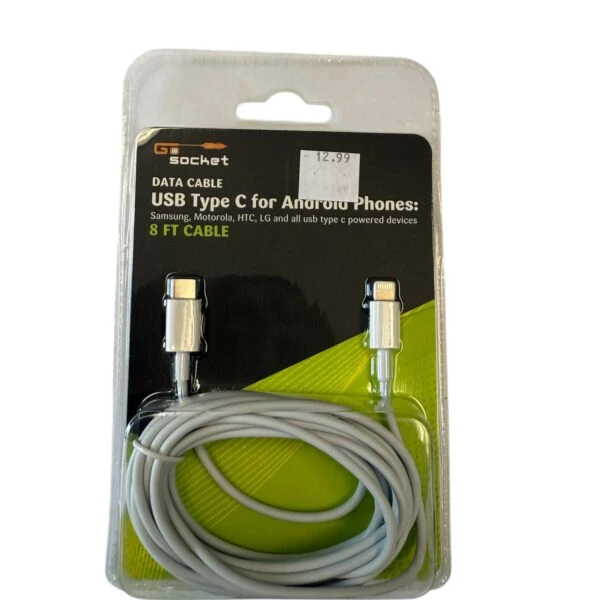
This is now the most common USB data cable type for newer Android smartphones, tablets, and laptops. USB-C allows for fast charging and faster data transfer rates.
3. USB-C to USB-C
Often found in modern devices, these cables are known for their speed and versatility. They can deliver high-wattage charging (great for laptops) and high-speed data transfer.
4. USB-A to Lightning
Specifically designed for Apple devices, Lightning cables are used with iPhones, iPads, and some iPods. They are proprietary to Apple but function similarly to USB-C in many ways.
Why USB Data Cables Are Still Relevant
Even as cloud storage and wireless connectivity grow more advanced, the USB data cable continues to hold its ground for several practical reasons.
Speed and Efficiency
Transferring large files over Wi-Fi can be time-consuming and unreliable. A wired connection via a USB data cable provides consistent high-speed transfers without interruption.
Power and Charging
USB cables are used not only for data but also for charging. In fact, USB-C cables can deliver fast charging to laptops, phones, and power banks—far faster than most wireless options.
Universal Compatibility
Almost every device has some kind of USB port, which makes USB data cables incredibly versatile. Whether you’re using a PC, Mac, smartphone, or gaming console, chances are it supports USB.
How to Choose the Right Data Cable
Not all data cables are created equal. Choosing the right one depends on your specific needs, the devices you own, and how you plan to use it.
Here are a few things to keep in mind when selecting a USB data cable:
1. Device Compatibility
Check which connector your device uses—USB-C, Micro USB, Lightning, etc. You’ll want a cable that supports the same input/output formats.
2. Cable Length
Do you need a short cable for travel or a longer one for desk use? Standard lengths range from 1 to 6 feet, though longer cables can lead to slower charging in some cases.
3. Data Transfer Speed
Not all USB cables support fast data transfer. Look for USB 3.0 or higher if you need to move large files frequently. USB 2.0 is fine for general use like syncing contacts or charging.
4. Build Quality
A cheap cable might save money upfront, but could fail within weeks. Choose cables with braided exteriors, reinforced ends, or certifications like MFi (Made for iPhone) to ensure safety and durability.
Advantages and Disadvantages of USB Data Cables
Understanding the pros and cons of using a USB data cable can help you decide when it’s the right tool—and when it might be better to go wireless.
Advantages:
- Reliable connection: No dropped signals or failed transfers
- Fast data transfer rates: Especially with USB 3.0 and 3.1
- Supports fast charging: Ideal for phones, tablets, and laptops
- Universal support: Works across various devices and platforms
Disadvantages:
- Physical wear and tear: Cables can fray or break with repeated use
- Limited mobility: You’re physically tethered to another device
- Clutter: Multiple cables can create a messy desk or travel bag
Signs You Need a New USB Data Cable
Like all tech accessories, data cables don’t last forever. Here are a few signs that it might be time to replace yours:
- Frequent disconnections: If your cable constantly loses connection while charging or transferring data, it may have internal damage.
- Slow charging: Older or damaged cables may not support fast charging even if your device does.
- Visible damage: Frayed ends, bent connectors, or exposed wiring are all signs of wear.
- Incompatibility with new devices: Upgrading to a newer phone or laptop may require a different type of connector.
How to Care for Your Data Cable
To extend the life of your USB data cable, it helps to follow a few simple care tips:
- Avoid pulling on the cord: Always unplug from the connector head.
- Store properly: Use cable organizers or ties to prevent tangling and knotting.
- Keep it dry and clean: Avoid moisture, and wipe the ends regularly to prevent dust build-up.
- Use only certified accessories: Avoid knock-off cables, especially for expensive or sensitive devices.
Conclusion: Trust Reliable Cables from PEM Vape
Even in the age of wireless everything, the data cable, especially the USB data cable, remains an essential tool for everyday digital life. Whether you’re transferring files, charging a device, or syncing data between devices, the right cable can make all the difference in speed, safety, and convenience.
At PEM Vape, we understand the importance of reliable tech accessories. That’s why we offer a curated selection of high-quality USB data cables designed to work with today’s most popular devices. Browse our store to find durable, efficient cables that meet your data and charging needs.
























Sign in to leave a comment.