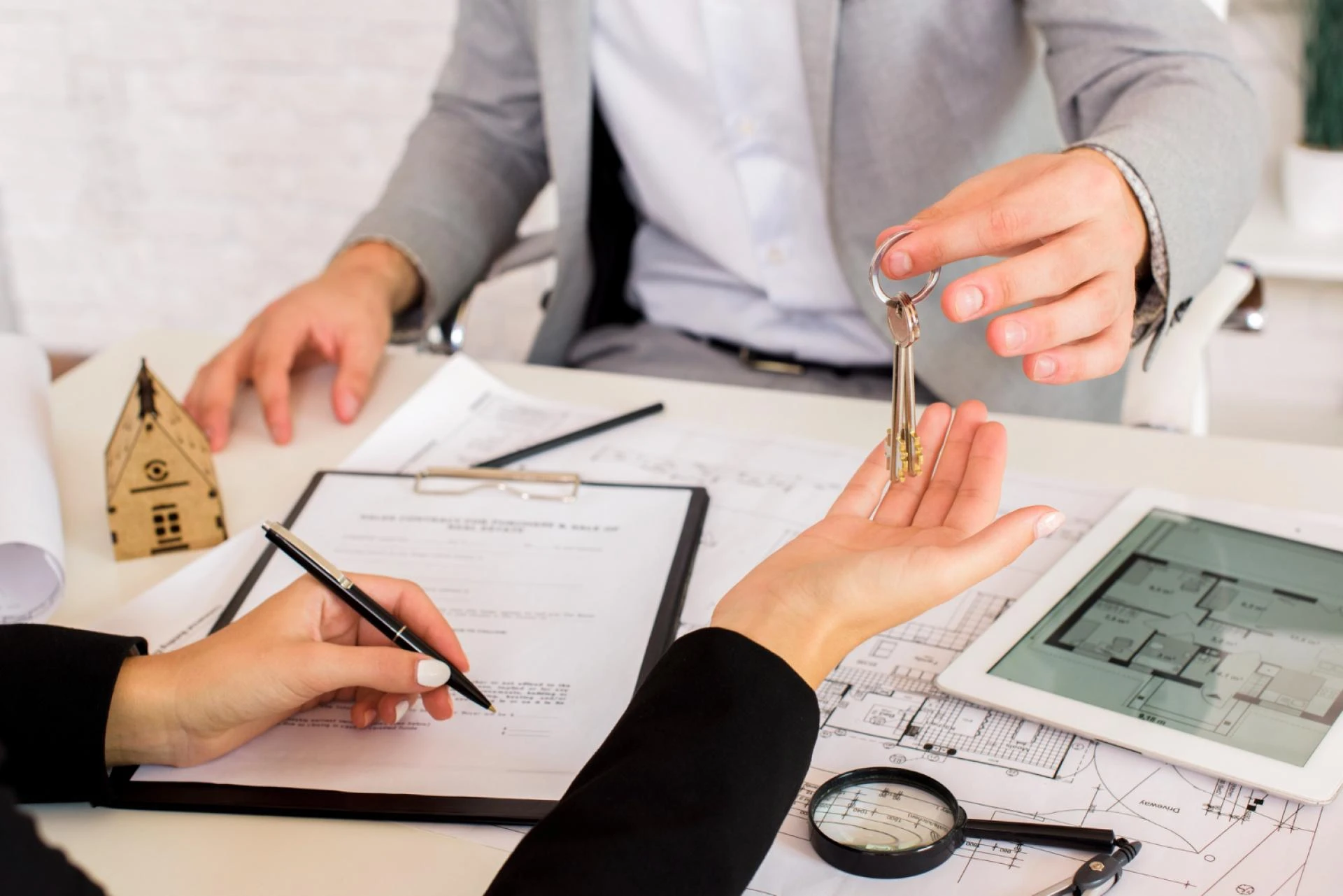

Buying a home is a considerable investment. Before moving in, you need to ensure everything is in perfect condition. This is where final house inspections come in. An inspection helps identify any last-minute issues before closing the deal.
Many buyers skip this step, thinking it's unnecessary. However, an inspection can save you from costly repairs and surprises. In this blog, we'll discuss a final house inspection and why it's so important.
What Is a Final House Inspection?
A final house inspection is the last check-up before you officially own a home. It allows buyers to inspect the property one last time before closing, ensuring that everything agreed upon in the contract is complete and in good condition.
You can check for unfinished work, damages, or missing fixtures during the inspection. You can request repairs before signing the final papers if something is wrong.
Why Do You Need a Final House Inspection?
1. Ensure Agreed Repairs Are Done
If the seller promised to fix something, the inspection is your chance to verify it. You can check if all requested repairs were completed correctly. If not, you can negotiate for them to be done before closing.
2. Identify Last-Minute Issues
Sometimes, new problems arise after the initial home inspection. An inspection lets you spot any new damages, leaks, or defects. It ensures that you're not inheriting hidden problems.
3. Check That Fixtures and Appliances Are in Place
Many contracts include light fixtures, kitchen appliances, and window treatments. The inspection ensures that everything listed in the agreement remains in the home.
4. Test Electrical, Plumbing, and HVAC Systems
You don't want to move in and find out the air conditioning isn't working. The inspection lets you test electrical outlets, faucets, toilets, and heating/cooling systems. If anything is faulty, you can request repairs before closing.
5. Avoid Unexpected Costs
Skipping an inspection can lead to expensive surprises. Discovering issues after moving in means paying out of pocket for repairs. An inspection helps prevent this by allowing you to catch problems early.
6. Confirm That the Home Is Move-In Ready
The last thing you want is to move in and find trash left behind or unfinished construction work. An inspection ensures the home is clean and ready for you.
What to Check During a Final House Inspection
Here's a checklist to help you during your final house inspection:
- Walk through the entire house and check for visible damage.
- Test all doors and windows to make sure they open and close correctly.
- Check ceilings and walls for cracks or leaks.
- Turn on all faucets and flush toilets to check for plumbing issues.
- Test light switches and electrical outlets.
- Inspect kitchen appliances to ensure they work.
- Run the heating and air conditioning systems.
- Look at floors for scratches, stains, or damage.
- Make sure all agreed-upon repairs are complete.
- Verify that all fixtures and appliances included in the sale are present.
- Check exterior areas like the garage, patio, and landscaping.
- Confirm that all keys, remotes, and security codes are provided.
What Happens If You Find Problems?
If you find any issues during the final house inspection, you have options:
- Ask the seller to fix the problem before closing.
- Negotiate a price reduction to cover repair costs.
- Delay closing until issues are resolved.
- Walk away from the deal if the problems are serious and the seller refuses to fix them.
Who Conducts the Final House Inspection?
Usually, the buyer and their real estate agent conduct the inspection. However, you can hire a professional inspector for extra peace of mind. A professional can spot issues you might miss.
When Should You Schedule a Final House Inspection?
An inspection should take place a day or two before closing. This ensures that the home is in the same condition as when you signed the purchase agreement and gives the seller time to address any last-minute concerns.
How Long Does a Final House Inspection Take?
The length of an inspection depends on the size of the home. On average, it takes about 30 minutes to an hour. It may take longer if the house is large or has multiple issues.
Common Mistakes to Avoid During a Final House Inspection
- Skipping the Inspection—Some buyers assume that everything is fine and don't check the home before closing, which can lead to unexpected problems later.
- Not Bringing the Contract—Your agreement lists what should be included in the home. Bring a copy to confirm that everything is there.
- Not Testing Everything – Turn on lights, run water, check appliances, and test outlets to ensure everything works.
- Ignoring Minor Issues – Small problems can turn into significant expenses. Address them before finalizing the deal.
- Rushing the Inspection – Take your time to check every room and detail thoroughly.
The Final Walkthrough vs. The Final House Inspection
Many buyers confuse the final walkthrough with the inspection. While both happen near closing, they serve different purposes:
- The inspection is a detailed check to identify issues.
- The final walkthrough is a quick review to confirm everything is as expected before signing the final documents.
Both are essential steps in the home-buying process.
Conclusion
A final house inspection is a crucial step in the home-buying process. It helps you catch last-minute problems, ensures repairs are done, and prevents unexpected costs. By taking the time to inspect your new home, you can move in with confidence, knowing that everything is in order. Never skip this step! It could save you money and stress in the long run.






























Sign in to leave a comment.