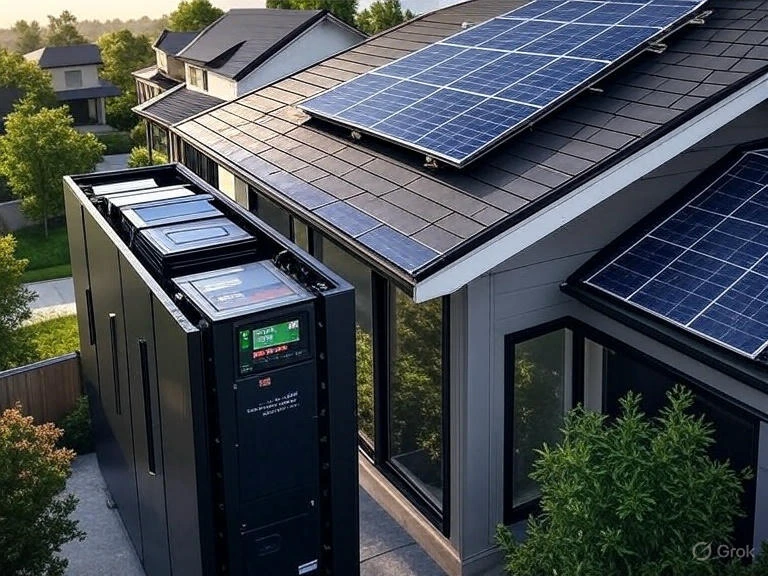

A home battery system is an advanced energy storage solution that enables homeowners to store electricity for later use. Typically integrated with a solar power system, a home battery captures surplus energy produced during the day and stores it for use at night or during power outages. This technology is transforming the way we consume and manage electricity, offering greater energy independence, cost savings, and resilience against grid disruptions.
Core Components of a Home Battery System
A high-performance home battery system includes several essential components that work together to deliver reliable energy storage and distribution:
1. Battery Pack
At the heart of the system is the battery pack, usually composed of lithium-ion or lithium iron phosphate (LiFePO4) cells. These batteries are known for their high energy density, long cycle life, and low maintenance requirements.
2. Battery Management System (BMS)
The Battery Management System monitors the health, voltage, temperature, and charge/discharge cycles of each cell. It ensures optimal performance, enhances safety, and extends the battery’s lifespan by preventing overcharging, deep discharging, or overheating.
3. Inverter/Charger
An inverter converts the DC (direct current) power stored in the battery into AC (alternating current) used by household appliances. A hybrid inverter may also manage power from the grid and solar panels, optimizing the energy flow to and from the battery.
4. Monitoring Software
Smart monitoring systems provide real-time data on energy production, storage status, and usage patterns. These systems are accessible via mobile apps or web portals, allowing homeowners to track and control their energy consumption remotely.
How a Home Battery System Works
The operation of a home battery system can be broken down into a few critical phases:
Energy Collection
During the day, solar panels generate electricity. If the household’s energy demand is lower than the solar production, the excess electricity is directed to charge the battery instead of being exported to the grid.
Energy Storage
The battery stores this excess energy in chemical form for future use. The capacity of the battery system determines how much electricity it can hold—common residential systems range between 5 kWh and 20 kWh.
Energy Usage
When solar production is low—typically during nighttime or cloudy weather—the system automatically switches to battery power. This reduces reliance on the utility grid and lowers electricity bills.
Grid Support and Backup
Some battery systems offer backup capabilities. In case of a grid outage, the system kicks in within milliseconds to power critical household circuits. Certain advanced systems also allow for grid-tied and off-grid configurations, giving users maximum flexibility.
Types of Home Battery Systems
1. AC-Coupled Systems
These are ideal for retrofitting existing solar systems. They include a separate inverter for the battery, making them slightly less efficient but more adaptable.
2. DC-Coupled Systems
DC-coupled systems are more efficient because energy flows directly from the solar panels to the battery without needing to be converted twice. They are best suited for new installations.
3. All-in-One Systems
These systems integrate the inverter, battery, and BMS in a single unit. They are user-friendly, compact, and aesthetically pleasing, with minimal wiring and simplified installation.
Benefits of Installing a Home Battery System
1. Energy Independence
Homeowners can significantly reduce their reliance on utility companies. With a well-designed battery system, it’s even possible to live completely off-grid.
2. Lower Electricity Bills
By storing energy when it's abundant and using it during peak hours when utility rates are high, users can take advantage of time-of-use (TOU) billing and net metering.
3. Backup During Outages
Power outages caused by storms, equipment failure, or blackouts are no longer a concern. A battery system ensures uninterrupted power supply for essential devices and appliances.
4. Reduced Carbon Footprint
Utilizing stored solar energy reduces the need for electricity derived from fossil fuels, contributing to a more sustainable environment.
5. Increased Property Value
Homes equipped with battery storage and solar systems often command higher resale values due to their efficiency and modern infrastructure.
Popular Battery Technologies in Residential Systems
Lithium-Ion
Currently the most popular choice, lithium-ion batteries offer excellent energy density, fast charging, and long cycle life. However, they can be expensive upfront.
Lithium Iron Phosphate (LiFePO4)
A subcategory of lithium batteries, LiFePO4 is safer and more thermally stable, making it a great choice for homes prioritizing safety and longevity.
Lead-Acid
These traditional batteries are cheaper but bulky and less efficient. They are best suited for short-term or backup-only use.
Saltwater Batteries
An emerging eco-friendly option, saltwater batteries are non-toxic and recyclable but not yet as efficient as lithium-based systems.
Key Considerations Before Installing a Home Battery
1. Energy Needs
Assess your daily energy usage and how much of it you want to offset. A typical American home uses about 30 kWh per day, so a 10 kWh system might cover one-third of that, depending on usage patterns.
2. Solar Compatibility
Ensure your battery system is compatible with existing or planned solar installations. Many hybrid inverters simplify integration.
3. Incentives and Rebates
Federal, state, and local governments offer tax credits, rebates, and incentive programs to make home battery systems more affordable. For instance, the Federal Solar Investment Tax Credit (ITC) can cover up to 30% of the installation cost.
4. Installation and Maintenance
Always work with certified and experienced installers. Systems like the Tesla Powerwall, Enphase IQ Battery, and LG Energy Solution RESU are known for their reliability and have a strong support network.
How Much Does a Home Battery System Cost?
The total cost depends on the battery capacity, brand, installation complexity, and regional labor rates. On average, a complete system costs between $10,000 and $20,000, including installation. With solar integration and government incentives, this investment often pays for itself in 5 to 10 years.
The Future of Home Energy Storage
With increasing demand for clean energy solutions, grid decentralization, and smart home integration, home battery systems are quickly becoming a staple in modern residential infrastructure. Innovations in AI-driven energy optimization, peer-to-peer energy trading, and vehicle-to-home (V2H) technologies are pushing the boundaries of what's possible.
Conclusion
A home battery system is more than a power backup—it's a smart energy management tool that offers security, savings, and sustainability. As the technology matures, it’s becoming more accessible, customizable, and essential for future-ready homes.

























Sign in to leave a comment.