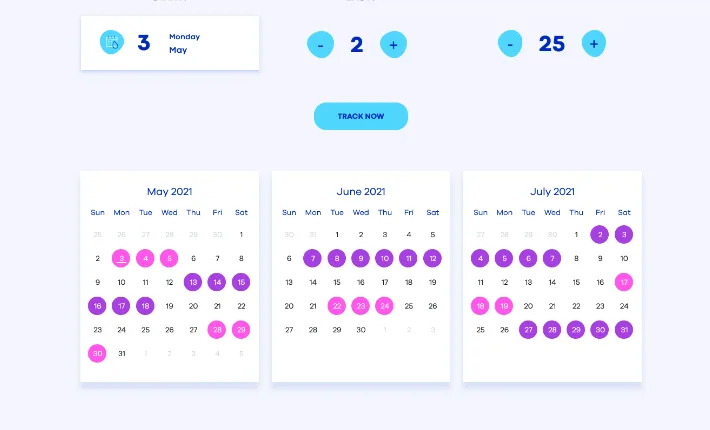

A period calculator is an online tool or application designed to help individuals predict and track their menstrual cycles, providing information such as the estimated start date of the next period, ovulation days, and fertile windows.
These tools are widely accessible and have become essential for many people who menstruate, offering valuable insights into reproductive health, pregnancy planning, symptom management, and overall well-being.
What Is a Period Calculator?
A period calculator is a digital utility — available as a website tool, mobile application, or an integrated feature within health platforms — used to estimate days when menstruation is likely to occur, along with ovulation days and broad cycle patterns.
The prediction is based on personal data entered by the user, such as the date when their last period began and the average length of their menstrual cycle.
While period calculators can be basic, involving simple mathematical predictions, modern versions have evolved into full-featured platforms that track symptoms, moods, sexual activity, and other health events.
They provide predictions, reminders, and insights, assisting individuals in planning daily life activities—from travel to sports, and even essential events—around their menstrual cycles.
How Does a Period Calculator Work?
Basic Principle
The fundamental process behind a period calculator is straightforward and involves a few steps:
- Input Last Period Date: The user enters the first day of their last menstrual period.
- Cycle Length: The user adds the typical length of their menstrual cycle, which is the number of days between the first day of one period and the first day of the next. While 28 days is considered the average cycle length, anything between 21 and 35 days is generally regarded as typical.
- Calculation: The calculator adds the cycle length to the date of the last period to forecast the start date of the next period.
Many calculators also request the duration of the period (number of bleeding days) to predict the end date. They can identify the most probable ovulation or fertile window, which typically occurs around the midpoint of the cycle.
Example Calculation
If the average cycle length is 28 days and the last period started on January 1st, adding 28 days means the next period is expected to begin on January 29th. This prediction helps individuals be prepared for their upcoming cycle and is especially helpful for tracking changes or irregularities.
Features of Modern Period Calculators
- Symptom Tracking: Logging PMS symptoms, emotional changes, and even sexual activity.
- Ovulation Prediction: By analyzing trends, the calculator predicts likely ovulation days, which is crucial for family planning.
- Personalized Notifications: Reminders about upcoming periods, fertile windows, or when to take medication.
- Health Data Integration: Many tools are now integrated with health apps and wearable technology.
- Privacy Focus: Calculations are often performed locally on the device, without storing or transmitting sensitive data, maintaining user confidentiality.
Benefits of Using a Period Calculator
Reproductive Health Awareness
- Cycle Prediction: Having foresight into the menstrual calendar makes it easier to plan events, prevent surprises, and avoid inconveniences (such as travel or swim plans coinciding with menstruation).
- Fertility Planning: Couples trying to conceive can benefit from ovulation tracking. Conversely, people practicing natural family planning can identify “safe” and potential pregnancy days.
- Medical Monitoring: Regular tracking can highlight irregularities indicative of underlying conditions (e.g., PCOS, thyroid issues, stress, or dramatic weight changes).
Emotional and Physical Symptom Management
Logging physical and emotional symptoms helps individuals anticipate PMS, mood swings, cramps, fatigue, and bloating, providing greater self-awareness and better symptom management strategies.
Doctor Consultation and Data Sharing
Consistent tracking creates a health data record, giving concrete information to doctors for diagnosis and treatment, especially beneficial for concerns around irregular cycles, heavy bleeding, or suspected reproductive health issues.
Lifestyle and Social Planning
With period calculators, planning around social commitments, physical activities, or significant life events becomes more manageable and less stressful. It allows people to schedule events or maintain routines without being caught off guard.
Limitations and Considerations
- Estimate, Not Certainty: Calculators provide predictions, but various factors such as stress, illness, medications, or lifestyle changes can influence cycle timing. Estimates may occasionally be off by a few days.
- Irregular Periods: The predictors are most accurate for those with regular cycles. Individuals with irregular menstruation may receive less precise estimates, though tracking over time may reveal trends and assist in medical assessment.
- Not a Contraception Tool: Period calculators should never be solely relied upon to prevent pregnancy, as ovulation windows can vary.
Real-World Applications
- For Teens: Aiding in understanding bodily changes and tracking initial cycles.
- For Adults: Supporting family planning, PCOS monitoring, or menopause tracking.
- For Healthcare Providers: Sharing app or calculator-derived data helps doctors identify patterns, leading to better diagnoses and treatment plans.
Conclusion
A period calculator is a user-friendly and informative tool that bridges the gap between medical science and daily life for anyone who menstruates. It empowers users to understand their cycles better, plan for symptoms, prepare for important events, and maintain open communication with healthcare professionals. While not a replacement for medical advice or contraceptive tools, ongoing use of a period calculator or app can significantly enhance menstrual health awareness, self-confidence, and overall well-being.


























Sign in to leave a comment.