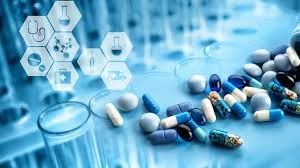
A pharmaceutical company, commonly known as a pharma company, is an organization engaged in the research, development, manufacturing, and distribution of medicinal drugs. These companies play a pivotal role in healthcare systems worldwide by providing essential medications that treat, manage, and prevent diseases.
Key Functions of a Pharma Company
1. Research and Development (R&D)
The lifeblood of the pharmaceutical industry is its investment in research and development (R&D). R&D involves identifying new drug compounds, conducting preclinical and clinical trials, and improving existing formulations. Companies spend billions of dollars on R&D to bring innovative treatments to market.
2. Drug Manufacturing and Production
Once a drug is approved, it moves to the manufacturing phase, where it is produced in large quantities under strict Good Manufacturing Practices (GMP). This includes:
- Active Pharmaceutical Ingredient (API) production
- Formulation and dosage manufacturing
- Packaging and quality control
3. Regulatory Compliance and Approvals
Pharma companies must comply with regulatory bodies like the U.S. Food and Drug Administration (FDA), European Medicines Agency (EMA), and India's Central Drugs Standard Control Organization (CDSCO). These organizations review clinical data to ensure the drug’s safety and efficacy before granting approval.
4. Marketing and Sales
After approval, marketing and sales teams promote the drug to healthcare providers, hospitals, and pharmacies. Pharma companies use various marketing strategies, including direct-to-physician promotions, medical conferences, and digital advertising.
5. Distribution and Supply Chain Management
A strong distribution network ensures timely and efficient delivery of drugs worldwide. Pharmaceutical supply chains involve wholesalers, distributors, pharmacies, and hospitals, ensuring that patients receive medicines when needed.
Types of Pharma Companies
1. Brand-Name Pharmaceutical Companies
These companies focus on innovative drug discovery and hold patents on their drugs. Examples include Pfizer, Merck, and Novartis.
2. Generic Drug Manufacturers
Once a patent expires, generic drug manufacturers produce cheaper alternatives with the same active ingredients. Examples include Teva Pharmaceuticals and Sun Pharma.
3. Biopharmaceutical Companies
Biopharma firms focus on biologics, such as vaccines, monoclonal antibodies, and gene therapies. Companies like Biogen and Amgen are leading in this space.
4. Contract Development and Manufacturing Organizations (CDMOs)
CDMOs assist other pharmaceutical firms with drug development, production, and commercialization. Examples include Lonza and Catalent.
The Drug Development Process
The journey from drug discovery to commercialization is long and expensive, often taking 10-15 years. The major stages include:
- Drug Discovery – Identification of new compounds or biologics.
- Preclinical Testing – Laboratory and animal studies.
- Clinical Trials:
- Phase 1 – Small group testing for safety.
- Phase 2 – Larger trials for efficacy and dosage.
- Phase 3 – Extensive trials on thousands of patients.
- Regulatory Approval – Submission to health authorities.
- Post-Marketing Surveillance – Ongoing monitoring for safety.
Challenges Faced by Pharmaceutical Companies
1. High R&D Costs
Drug development is costly and time-consuming, with some estimates suggesting an average cost of $2.6 billion per approved drug.
2. Stringent Regulations
Pharma companies face strict regulations and compliance requirements, which vary by country and region.
3. Patent Expirations
Once a patent expires, generic manufacturers enter the market, reducing profit margins for the original drug.
4. Drug Pricing Controversies
Pricing policies often attract public scrutiny due to concerns over affordability and accessibility.
5. Supply Chain Disruptions
Global factors like COVID-19 and geopolitical issues have highlighted the vulnerabilities in pharmaceutical supply chains.
Future of Pharma Industry
The pharmaceutical industry is rapidly evolving, with trends such as:
- Artificial Intelligence (AI) in drug discovery
- Precision medicine and personalized treatments
- Biologic and gene therapy advancements
- Increased focus on sustainability and green manufacturing
- Expansion of telemedicine and digital health solutions
Conclusion
Pharmaceutical companies are at the forefront of medical innovation, providing life-saving treatments and enhancing global healthcare outcomes. Despite numerous challenges, the industry continues to evolve, driven by scientific advancements and technological breakthroughs.























Sign in to leave a comment.