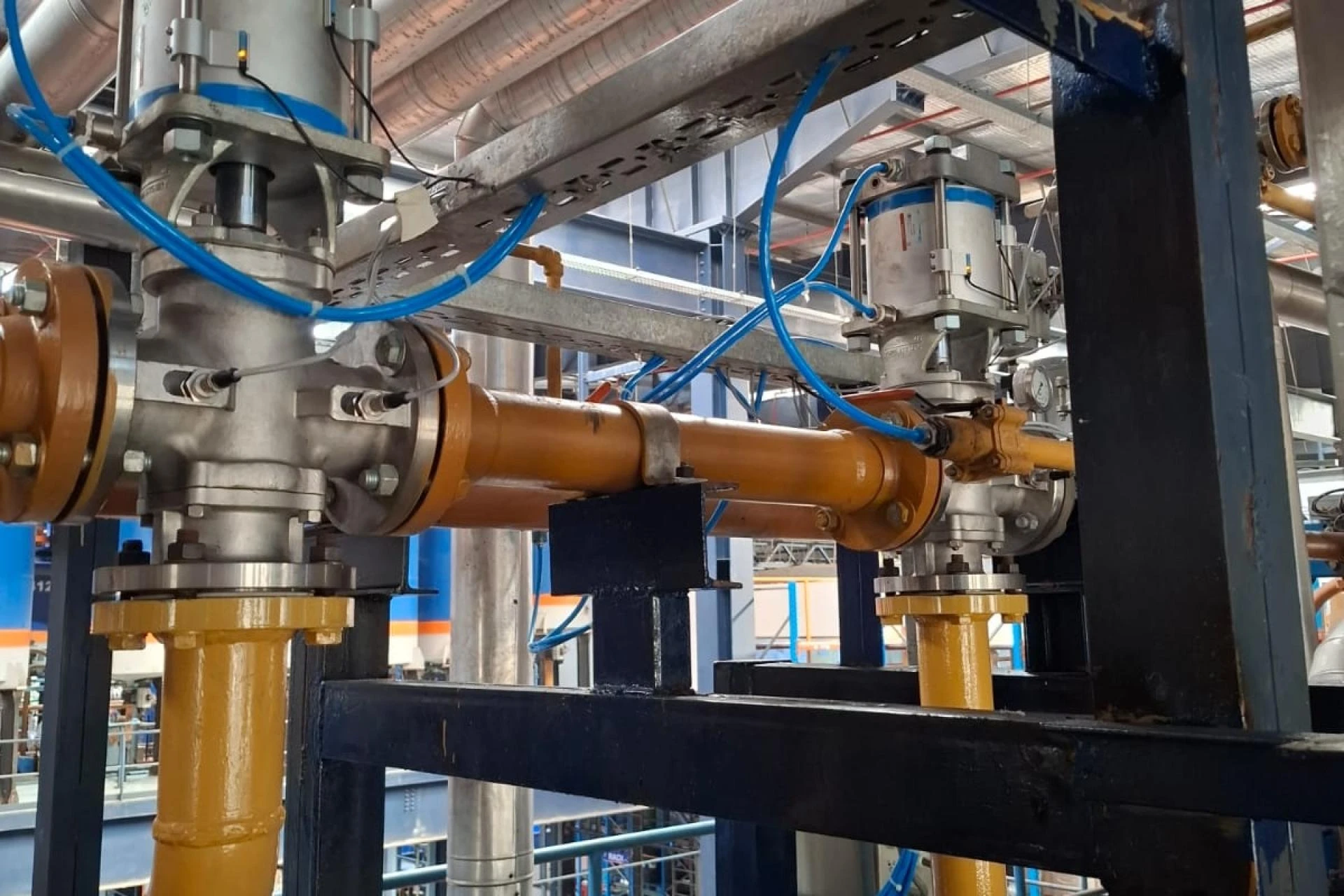
Pipelines are used to move liquids and semi-liquids during production in a variety of industries, including food and beverage, chemicals, medicines, and cosmetics. However, product loss, contamination, and ineffective cleaning are frequent problems in pipeline operations. A pigging system is essential in this situation.
For enterprises looking to increase production efficiency, recover valuable products, and uphold strict hygiene standards, pigging technology has emerged as a crucial answer. Businesses like IUS Pigging offer cutting-edge pigging systems that maximize pipeline efficiency and reduce waste.
This complete guide explains what pigging systems are, how they work, and why industries are increasingly adopting them.
How Does a Pigging System Work?
The working principle of a pigging system is straightforward but highly efficient. The process generally includes the following steps:
- Product Transfer
During production, liquids such as sauces, creams, beverages, or chemicals flow through pipelines from one process stage to another.
- Pig Insertion
After the transfer is completed, the pig is inserted into the pipeline using a launcher unit.
- Pig Movement
Compressed air or another driving medium pushes the pig through the pipeline.
- Product Recovery
As the pig moves forward, it pushes the remaining product toward the outlet, ensuring minimal product loss.
- Pipeline Cleaning
Once the product is recovered, the pipeline can be cleaned quickly and efficiently.
Using a Pigging System in Pipeline ensures that industries recover valuable products while maintaining a clean and efficient pipeline system.
Key Components of a Pigging System
1. Pig Launcher
This is the entry point where the pig is inserted into the pipeline before it begins its journey.
2. Pig Receiver
The receiver collects the pig after it completes its travel through the pipeline.
3. Pig (Cleaning Device)
The pig itself is made of flexible materials that allow it to fit tightly inside the pipe and push out remaining product.
4. Control System
Modern pigging systems include automated controls that manage pig movement and system operations.
Advanced solutions offered by IUS Pigging integrate these components to deliver reliable, efficient, and automated pigging processes.
Benefits of Pigging Systems in Pipelines
Implementing a Pigging System in Pipeline offers several advantages for manufacturing and processing industries.
1. Maximum Product Recovery
Pigging systems can recover up to 99% of product remaining inside pipelines, significantly reducing waste.
2. Reduced Cleaning Time
By pushing out most of the product, pigging reduces the amount of water and cleaning chemicals required.
3. Improved Production Efficiency
Faster cleaning and product recovery allow manufacturers to switch between production batches quickly.
4. Lower Operational Costs
Less product waste, reduced cleaning resources, and faster operations help companies reduce overall costs.
5. Better Hygiene and Quality Control
Pigging systems help maintain clean pipelines, which is especially important for food, pharmaceutical, and cosmetic manufacturing.























Sign in to leave a comment.