Introduction to Synchronizing Panels
In today’s fast-paced, power-reliant world, keeping the electricity flowing seamlessly, especially in industries, data centers, hospitals, and manufacturing units, is non-negotiable. That’s where synchronizing panels come in. These unsung heroes of the electrical world ensure that multiple generators or power sources can work in perfect harmony. Imagine a relay race where runners have to match pace before passing the baton—that’s exactly what a synchronizing panel helps your power sources do.
What is a Synchronizing Panel?
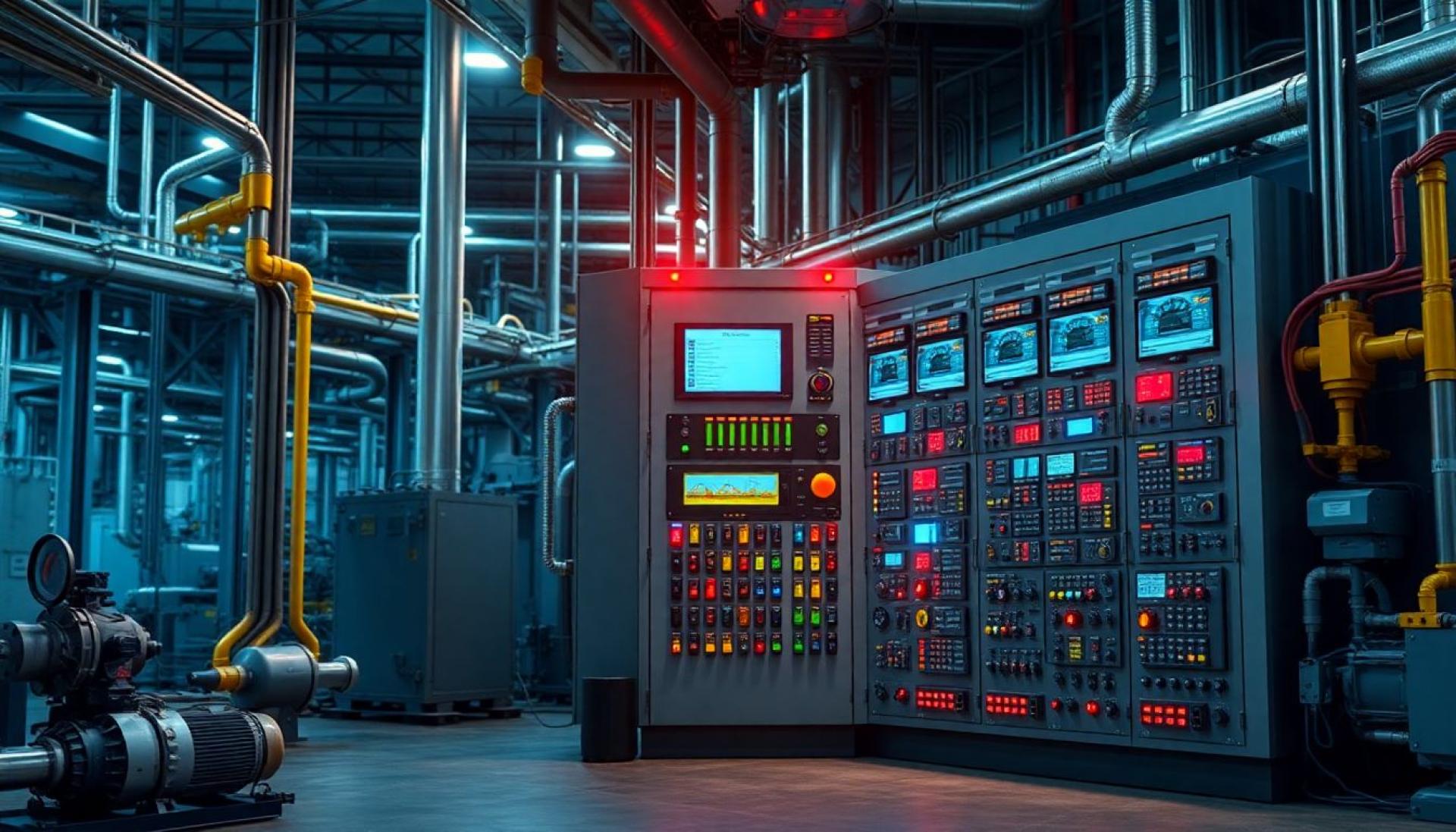
A synchronizing panel is an electrical control unit designed to match the output characteristics of multiple power sources—typically diesel generators—before connecting them in parallel. In simple terms, it’s like a conductor of an orchestra, ensuring every instrument (generator) plays in harmony without clashing notes.
Why Synchronizing Panels Are Essential in Modern Power Systems
Think about the chaos if multiple generators tried to power a facility without coordinating—it’s a recipe for disaster. Frequency mismatches, voltage fluctuations, or phase differences could damage machinery, halt production, or cause massive energy loss. Synchronizing panels prevent that by matching generator parameters like voltage, frequency, and phase before connecting them to a common busbar.
In large-scale industries, downtime isn’t just an inconvenience—it costs thousands of dollars per minute. By integrating synchronizing panels, businesses ensure there’s always a seamless transfer of power, even when one generator goes offline or additional load requires another to come online.
Types of Synchronization
Different applications call for different synchronization methods. Depending on the level of automation and complexity, synchronizing can be manual, semi-automatic, or fully automatic.
Manual Synchronization
Here, an operator is responsible for adjusting the incoming generator manually by observing meters and matching parameters. While cost-effective, it requires skilled labor and is prone to human error. Manual sync panels are typically used in smaller setups or as a backup.
Automatic Synchronization
Automatic systems use intelligent controllers and sensors to match and connect generators with no manual input. These are perfect for large-scale industrial settings where precision and speed are crucial.
- Faster response times
- Less human error
- Remote control and diagnostics
Role in Continuous Power Supply Systems
Synchronizing panels are vital for facilities that rely on continuous or uninterrupted power supplies. By managing multiple generators or switching between utility and DG (diesel generator) power, they maintain a steady energy flow. From airports and universities to oil rigs and telecom towers, synchronization is the backbone of operational continuity.
Why Choose Synchro Electricals Synchronizing Panels?
When it comes to choosing a synchronizing panel, quality and reliability matter. Synchro Electricals brings to the table unmatched expertise, precision engineering, and customer-focused solutions.
Advanced Technology Integration
Our panels feature top-tier components, cutting-edge microcontrollers, and cloud-based monitoring tools. We don’t just offer hardware; we deliver a smart ecosystem that evolves with your needs.
Custom Engineering for Diverse Requirements
No two businesses are the same, and neither are their power requirements. Whether you need synchronization for two small gensets or an entire generator farm, Synchro Electricals custom-builds each panel to fit your exact specifications. From rugged construction to tailored control logic, we ensure a perfect fit.
Robust After-Sales and Support
Our relationship doesn’t end at installation. With 24/7 technical support, on-site servicing, and annual maintenance contracts, we ensure your panel keeps performing optimally year after year. We also offer training to your staff so they can manage operations with confidence.
Installation & Maintenance Guidelines
Installing a synchronizing panel may seem technical, but with the right approach, it becomes a hassle-free experience. Regular maintenance ensures long life and optimal performance.
Basic Installation Procedure
- Site Survey: Identify load requirements and generator capacity.
- Panel Positioning: Ensure the panel is placed in a well-ventilated, accessible area.
- Wiring & Connectivity: Connect all generators, loads, and utility power to the panel.
- Testing & Commissioning: Run simulations to verify synchronization, load sharing, and safety triggers.
- Handover & Training: Once everything is validated, train the on-site team for daily operations.
Synchro Electricals provides end-to-end installation services, ensuring a plug-and-play experience.
Conclusion
Synchronizing panels are the invisible backbone of any modern, reliable, and scalable power system. For industries that rely on continuous electricity—manufacturing, healthcare, IT, oil, and gas—the value of seamless power synchronization cannot be overstated.
With Synchro Electricals, you’re not just buying a panel. You’re investing in peace of mind, operational efficiency, and technological superiority. Whether you’re a facility manager, contractor, or OEM provider, we offer tailor-made solutions backed by world-class engineering and unmatched support.
So the next time you’re planning an electrical setup or considering an upgrade, think smart, think Synchro.
FAQs
What is the difference between a control panel and a synchronizing panel?
A control panel manages a single generator, while a synchronizing panel manages multiple generators and ensures they work together harmoniously.
Can a synchronizing panel work with different generator brands?
Absolutely. High-quality panels from Synchro Electricals are designed to integrate with generators from various manufacturers.
Is it safe to run multiple generators without a synchronizing panel?
No. Running multiple generators without proper synchronization can lead to phase mismatches, power surges, and equipment damage.
How long does installation typically take?
For most setups, installation takes 2–5 days, depending on the complexity and number of generators involved.
What makes Synchro Electricals' panels different?
Our panels are custom-built, future-ready, and designed for intelligent automation with superior support and maintenance service.



























Sign in to leave a comment.