
Traveling abroad sounds exciting, doesn’t it? New cultures, new food, new experiences. But before you pack your bags and book your flight, there’s one crucial document you can’t ignore: the visa. For many travelers, especially first-timers, visas can feel confusing, complicated, and even intimidating. Let’s break it all down in simple words and make it crystal clear.
Think of a visa as a permission slip. Just like a hall pass allows entry into a classroom, a visa allows you to enter another country legally. Without it, your international travel plans can come to a sudden halt.
Understanding the Concept of a Visa
Definition of a Visa
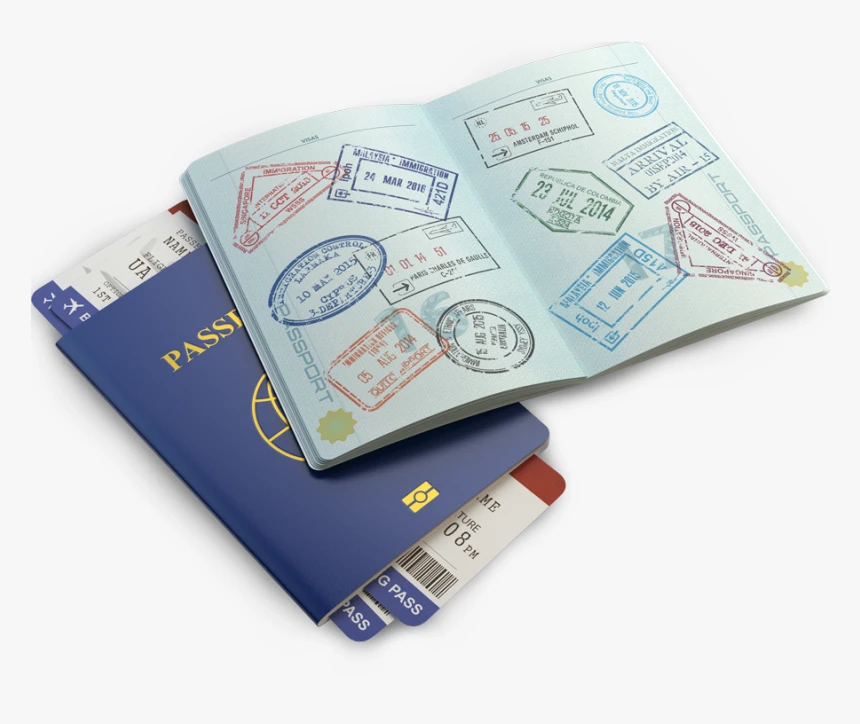
A visa is an official authorization issued by a foreign country that allows a traveler to enter, stay, or leave that country for a specific purpose and duration. It is usually stamped or attached to your passport or issued electronically.
In short, a visa answers three important questions:
- Why are you visiting?
- How long will you stay?
- What activities are you allowed to do?
Why Visas Exist in the First Place
Countries use visas to control who enters their borders. It helps them manage tourism, business travel, education, employment, and immigration while maintaining safety and order. It’s like a guest list — only approved visitors are allowed in.
How a Visa Works
Visa vs Passport
Many people mix these two up. Let’s clear the confusion.
- A passport proves your identity and nationality.
- A visa grants permission to enter another country.
You can’t apply for a visa without a passport, but a passport alone doesn’t guarantee entry into another country.
Who Issues a Visa?
Visas are issued by the destination country through its embassies, consulates, or authorized visa centers.
Role of Embassies and Consulates
Embassies and consulates review applications, verify documents, conduct interviews, and decide whether to approve or reject a visa request.
Main Purpose of a Visa
Regulating International Travel
Visas help countries manage the flow of travelers and ensure that visitors follow the rules during their stay.
Ensuring National Security
By screening applicants, countries reduce risks related to illegal immigration, crime, and security threats.
Managing Immigration and Stay Duration
A visa clearly defines how long you can stay and what you can do — study, work, travel, or attend business meetings.
Different Types of Visas Explained
Tourist Visa
Issued for leisure travel, sightseeing, or visiting friends and family. No work or business activities are allowed.
Business Visa
Designed for professionals attending meetings, conferences, trade fairs, or exploring business opportunities.
Student Visa
Required for international students pursuing education abroad. It often comes with specific rules regarding part-time work.
Work Visa
Allows individuals to work legally in a foreign country. Usually sponsored by an employer.
Transit Visa
Issued when you are passing through a country en route to another destination.
Medical Visa
Granted to patients traveling abroad for medical treatment.
Immigration / Permanent Resident Visa
Allows long-term or permanent settlement in another country.
Visa Based on Entry Type
Single Entry Visa
Allows entry only once. Once you exit the country, the visa becomes invalid.
Multiple Entry Visa
Permits multiple entries during the visa’s validity period — ideal for frequent travelers.
Visa Based on Processing Mode
Sticker Visa
A traditional visa stamped on your passport.
e-Visa
Applied and approved online — quick, convenient, and paperless.
Visa on Arrival
Granted at the airport upon arrival, usually for a limited duration and specific nationalities.
Importance of a Visa for Travelers
Legal Permission to Enter a Country
Without a valid visa, airlines and immigration authorities can deny boarding or entry.
Smooth and Hassle-Free Travel
A proper visa ensures stress-free immigration clearance and peace of mind.
Protection of Traveler Rights
A visa defines your legal status abroad and protects you under local laws.
Common Reasons for Visa Rejection
Incomplete Documentation
Missing or incorrect documents are one of the top reasons for rejection.
Insufficient Funds
Applicants must prove they can support themselves financially during their stay.
Travel History Issues
Lack of travel history or previous overstays can impact approval chances.
Why Professional Visa Support Matters
Role of a Visa Agent in Delhi
A professional Visa Agent in Delhi understands embassy requirements, documentation standards, and country-specific rules. They guide applicants step by step, reducing errors and delays.
Benefits of Expert Visa Assistance in Delhi
With reliable Visa Assistance in Delhi, applicants receive personalized guidance, document verification, application filing, and interview preparation — all under one roof.
How to Choose the Right Visa Type
Matching Visa with Travel Purpose
Always choose a visa that matches your intention. Applying for the wrong category can lead to rejection.
Understanding Country-Specific Rules
Every country has unique visa policies. Expert advice ensures compliance with the latest regulations.
Step-by-Step Visa Application Process
Documentation Preparation
Gather passports, photographs, financial proof, invitation letters, and travel plans.
Application Submission
Apply online or offline as per embassy guidelines.
Biometrics and Interview
Some countries require fingerprints and a personal interview.
Processing and Approval
Processing times vary. Once approved, your visa is stamped or issued electronically.
Tips for a Successful Visa Application
Apply Early
Avoid last-minute stress and allow time for unexpected delays.
Be Honest and Accurate
Incorrect information can lead to rejection or blacklisting.
Seek Professional Guidance
Trusted Visa Assistance in Delhi can significantly improve approval chances.
Future of Visas and Global Travel
Digital Visas and Automation
Many countries are moving towards fully digital visa systems.
Simplified Travel Policies
Global travel is becoming more streamlined, especially for tourists and business travelers.
Conclusion
A visa is much more than just a stamp on your passport — it’s your legal gateway to international travel. Understanding visa types, purposes, and importance can save you time, money, and unnecessary stress. Whether you’re traveling for leisure, education, business, or work, proper planning and expert guidance make all the difference. With the right Visa Agent in Delhi and reliable Visa Assistance in Delhi, your global travel dreams can turn into reality smoothly and confidently.
FAQs
1. Is a visa required for all international travel?
Not always. Some countries offer visa-free or visa-on-arrival access depending on nationality.
2. How long does visa processing usually take?
It can range from a few days to several weeks, depending on the country and visa type.
3. Can a visa be extended after travel?
Some visas can be extended, but rules vary by country.
4. What happens if my visa is rejected?
You can proceed with the application after addressing the issues or seeking professional advice.
5. Why should I use professional visa services?
Expert support reduces errors, saves time, and increases approval chances.



Sign in to leave a comment.