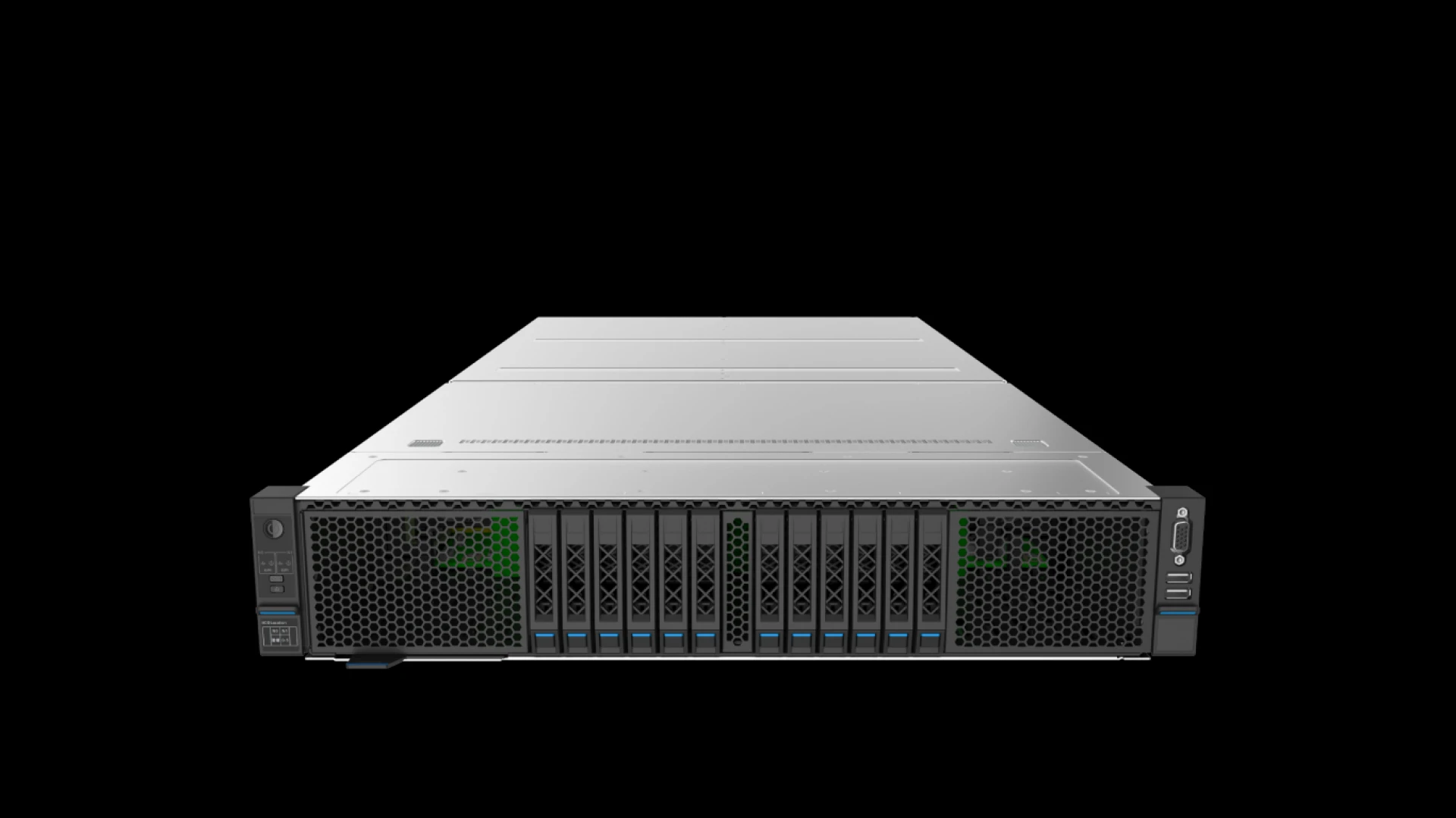

Although edge computing servers perform the same functions as traditional servers, these devices perform these functions from non-traditional locations. Edge servers handle data that is physically close to the end users, whether in smart homes, Internet of Things factories, hospitals, or self-driving cars. Running operations at the network's edge eliminates processing backlog and distance lag, two common problems of traditional servers.
This paper deeply studies the edge server and the role these devices play in the current IT environment. Read on to learn what edge computing servers are, how they work, and why these devices are the first choice for low-latency use cases.
What is an edge server?
An edge computing server is a hardware that performs data calculation at the end (or "edge") of a network. Like ordinary servers, edge servers can provide computing, networking, and storage functions.
Edge servers process data that is physically close to end users and field applications, so these devices can process requests faster than centralized servers. Instead of sending unprocessed data to and from the data center, these devices process raw data and return the content to the client machine. Therefore, the edge server provides faster performance, lower latency, and shorter loading times.
There are two types of edge computing servers:
Content Distribution Network (CDN) Edge Server: A CDN Edge Server is a computer with a cached version of the static content of the original server (images, JavaScript files, HTML files, etc.). Companies can deploy CDN edge servers at various points of existence (POPs) in the content delivery network.
Edge computing server: This type of server provides computing resources at the edge of the network. CDN server only provides static web content, while edge computing server provides the functions required by IOT applications.
Remember, there are differences between edge servers and devices. The term "edge device" refers to hardware (such as a router or switch) that provides an entry point to a network.
Edge server vs source server
CDN edge servers and original servers usually work together to deliver content to end users. These two devices have similar functions, but they play different roles in the process of content delivery.
The source server is a computer running a program that listens and responds to Internet requests. Depending on the distance between the source server and the user, the response may be delayed. The extra round trip time (RTT) required to establish a secure internet connection using SSL/TLS will also increase the delay.
The CDN edge computing server is located between the original server and the requesting machine, which can significantly reduce the delay. By hosting static assets in a strategic location close to the client machine, the edge server speeds up the time required for loading web resources.
The following is an example of how edge and origin servers work together to provide a login page:
The user sends a request to access the login page.
CDN uses anycast DNS to determine the nearest CDN edge computing server and route the request to the device.
The edge server loads static content and returns it to the user equipment without the original server consuming any bandwidth.
After the page is presented, the user enters the username and password.
Requests for dynamic content are passed to the edge computing server, which then proxies the requests back to the original server. The source server verifies the user's identity in the associated database and sends back specific account data.




























Sign in to leave a comment.