Textiles have been a medium through which stories—of identity, art, tradition—have been communicated across cultures and centuries. Batik—a fabric art form with intricate patterns and interesting cultural backgrounds—stands out among the most distinctive. Although Southeast Asia, particularly Indonesia, is often associated with batik, this textile has entered the global fashion, home decor, and modern design.
This paper seeks to explore what batik is, what the different types of batik are, and why the traditional skills for making batik are still used up to the present day.
What is Batik?
Batik, primarily, is a method of dyeing fabric using a wax-resist method. In this case, many parts of the fabric are waxed and, therefore, do not absorb dye. The wax can then be removed to reveal the pattern formed as a result of the dye versus the undyed fabric.
Of course, any number of times with any array of colors and wax functions are layered to create intricate initial designs on Spinelli rag. The artisan uses the canting, a small pen-like implement, and just some wax.
The distinguishing feature of batik is the design intent that lies behind each design and pattern. Many traditional designs are symbolic emblems of cultural views, beliefs, social status, or rites of passage.
A Brief History of Batik
Although batik is arguably an Indonesian tradition today and has become a recognized UNESCO Intangible Cultural Heritage, traditional batik-making can be found in India, China, Africa, and the Middle East.
In Indonesian history, royal persons wore batik, and certain patterns could have specific meanings. These have passed through time, and now batik is regarded as an art form that is available to a part of the community.
Today is a fusion moment for batik as a traditional background, owing to its modern design.
Types of Batik
There isn't simply one kind of batik, given the varied development of its techniques with regard to the peculiarities, degree of detail, and course of production.
1. Hand-drawn Batik (Batik Tulis)
This type of batik is the most basic form of batik and demands years of training. It is absolutely laborious as the artist draws using a canting tool in hot wax.
Key Features:
- For being highly complex and intricate in its designs
- Every piece is unique.
- Takes a long time to make the design (from a few weeks to a few months)
- Artisans must receive higher pay, as they demand the commercial perfection of their products.
This type of batik is highly celebrated for being authentic and artistically valuable.
2. Produced Batik (Batik Cap)
This kind of batik employs manually producing brass stamps and spreading wax, colors, and other techniques before turning the works into the artist's desired pattern style.
Key Features:
- Production is usually faster than hand-drawn batik.
- Repeated designs with the same pattern design
- Less expensive compared to tulis batik
Cap or stamp batik offers a balance between efficiency and tradition, making it a popular choice everywhere.
3. Combination batik
The term, as implied by its components, indicates that the technique is intended to be a mix of manual and block (stamp) batik.
The character:
- A blend of fine artistry and any uniform design.
- Medium length of production
- Individual, yet a mix of conventional touches
Such a design, when done together by artists, improved the chances of complexities while retaining the starkness of the culture.
4. Printed Batik
Printed batik is a mimicry of traditional batik looks with modern printing technology instead of resist-dyeing with wax.
The characters may be:
- Mass-producing
- Characteristic cheapness
- It lacks the tactile features and nature of traditional batik.
- Convenient to everyday living
Though extremely lacking in art, printed batik helps to democratize the establishment of designs.
What does Batik Cloth Mean?
The term "batik cloth" does not refer only to the motif but also to the material. Batik is customarily done on natural fibers such as cotton or silk because these materials will absorb dyes very well, and in the process, they allow a finely detailed wax application.
Common Materials Used
- Cotton is very useful daily, as it is breathable and lasts.
- Silk, with its soft, luxurious touch, is often used for formal gowns.
- Rayon, with a nice and cheap texture, is a good alternative.
The quality of the fabric tends to dictate the acceptance or decline of the dye's strain as well as the expression of the final pattern design.
Batik Fabric Unique Features
Batik fabric has stood the test of generations, and its everlasting beauty has been no accident.
1. Artistic Expression
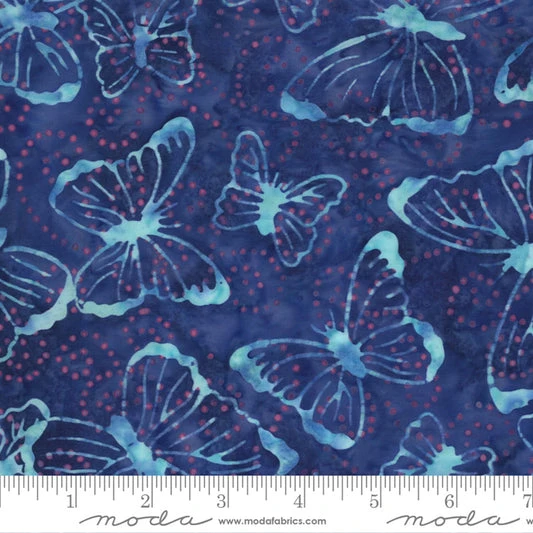
Each piece of traditional batik tells a story. No matter if the cloth is saturated with geometric patterns or floral motifs, its designs are culturally designed.
2. Versatility
Batik fabric is used in:
- Clothing (shirts, dresses, scarves)
- Home decorating (curtains, cushion covers)
- Accessories (bags, headwear)
Its adaptability suits any traditional and contemporary application.
3. Sustainability Potential
Handmade batik, especially when produced with natural dyes in traditional ways, can be expected to be kinder to the environment as opposed to synthetic dying and textile processes.
How to Identity Genuine Batik?
With the myriad of variations being unearthed, spotting real batik among print imitations is not always straightforward. Here are a few indicators:
- Pattern adherence: Authentic batik creation will barely contain a myriad of inaccuracies- i.e., the inconsistencies associated with craftsmanship.
- This is how colorweed happens: Authentic batiks are expected to be colored on both sides.
Fabric texture that remains at least slightly roughened is characteristic of the results of wax-resist dyeing.
True batik, particularly that are purely hand-painted, is fairly costlier.
All these delineations help you make informed buying decisions whenever you buy your share of batik!
Batik in Contemporary Design
Contemporary tastes have seen the evolution and fusion of the tradition of Batik; this process has given modern design a new lease on life. Different experiments have been initiated by various designers, such as:
- Minimalist patterns
- Fusion wear that combines Western silhouettes with Batik
- Digital reworking of classic motifs in new forms
Such evolution ensures that the batik remains relevant and yet retains its cultural spirit.
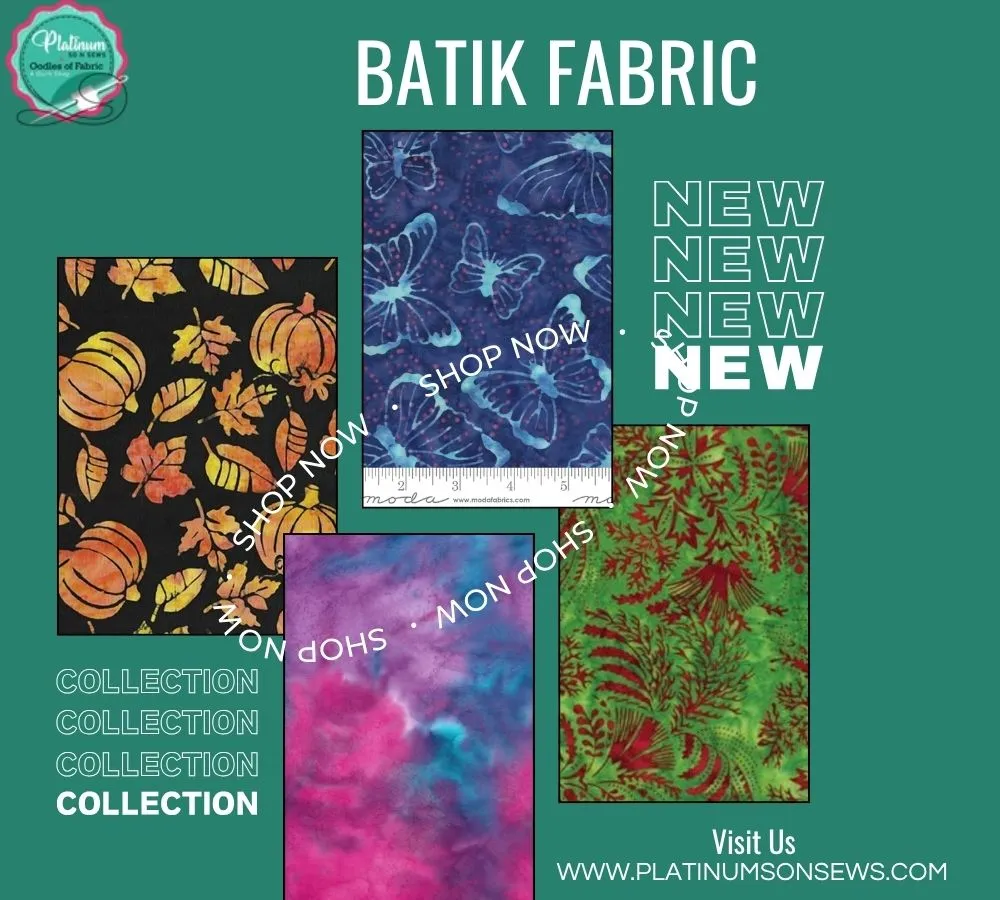
For those interested in curated collections or more into the techniques of Batik manufacturing, labels such as Platinum So N Sews could serve as useful starting points for understanding a bit of background. For some, even the experience with an eye on Balinese cast-off goods might lead to a plot of existing interest in the molecules of creation multiplied on a public scale.
Caring for Batik Fabrics
Proper care should be taken to preserve batik's richness over an extended period of time.
The Recommended Practices are listed below:
1. Wash in cold water using mild detergent.
2. Avoid using bleaches and tough chemicals.
3. Dry in shade to avoid color fading.
4. Iron in the lowest setting if needed. Such simple steps will ensure that the color and texture remain intact.
Conclusion
Therefore, Batik is much more than just a utilitarian textile; its presence on our planet often exemplifies the history, culture, and tradition of an extraordinary degree of artistic expression. From the compendious definition of batik to numerous techniques of dye application, to the exotic mutability of general fabric, the art of batik is a timeless heritage.
As the world of fashion becomes dominated by fast fashion, batik presents a unique offering in terms of purpose, heritage, and character. Whether to clothe or to decorate, batik crosses a gap between the contrasts from traditional to modern design regarding just a tiny number of textiles.



















Sign in to leave a comment.