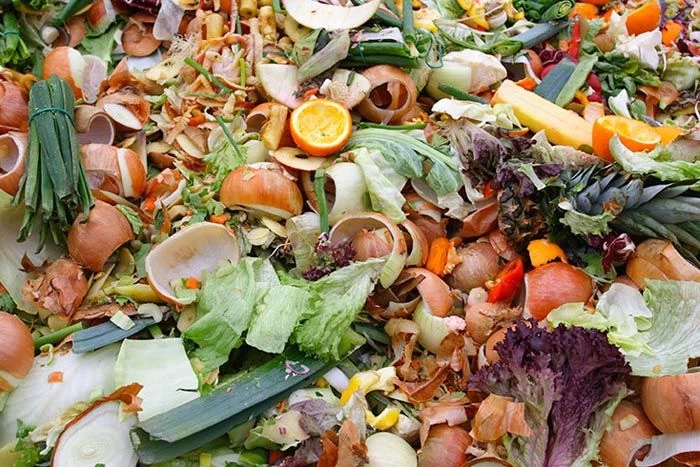

In a world where waste generation is increasing at an alarming rate, understanding the biodegradable waste meaning is crucial for building a sustainable future. Biodegradable waste refers to materials that can naturally decompose with the help of microorganisms, turning into harmless organic matter like water, carbon dioxide, and natural nutrients. Unlike other types of waste, biodegradable materials return to the earth without causing long-term pollution, making them an eco-friendly choice for waste disposal.
Biodegradable Waste Meaning in Simple Terms
The biodegradable waste meaning is straightforward — it is waste that can be broken down naturally by bacteria, fungi, and other living organisms. This process is called decomposition, and it helps recycle organic matter back into the environment. Items like food scraps, paper, leaves, and natural fabrics are prime examples of biodegradable waste, as they degrade over weeks or months, depending on conditions.
Common Biodegradable Waste Examples
To better understand, here are some biodegradable waste examples that you might find in your home or community:
- Kitchen Waste: Vegetable peels, fruit scraps, coffee grounds.
- Garden Waste: Grass clippings, dry leaves, small branches.
- Paper Products: Uncoated paper, cardboard, tissue paper.
- Natural Fibers: Cotton, jute, wool.
- These waste items are ideal for composting, which transforms them into nutrient-rich soil.
Types of Biodegradable Waste
Biodegradable waste can be categorized into two main types:
- Green Waste: Fresh plant materials such as grass and food waste, which decompose quickly.
- Brown Waste: Dry organic matter like dead leaves and paper, which decompose more slowly but are essential for composting balance.
What Is Non-Biodegradable Waste?
While biodegradable waste breaks down naturally, non-biodegradable waste refers to materials that do not decompose or take hundreds of years to do so. Plastics, metals, glass, and synthetic fabrics are common examples. These materials accumulate in landfills and oceans, causing long-term harm to the environment. Reducing and recycling non-biodegradable waste is as important as managing biodegradable waste properly.
Environmental Benefits of Managing Biodegradable Waste
Proper disposal and recycling of biodegradable waste have significant environmental benefits:
- Reduces Landfill Waste: Composting biodegradable materials prevents overcrowding in landfills.
- Decreases Pollution: Natural decomposition reduces greenhouse gas emissions compared to burning waste.
- Improves Soil Quality: Compost enriches soil with essential nutrients, promoting healthy plant growth.
- Supports a Circular Economy: Recycling organic waste into useful resources reduces dependency on chemical fertilizers.
How to Manage Biodegradable Waste at Home
You can start by separating biodegradable and non-biodegradable waste in your home. Kitchen scraps and garden waste can be composted in a simple compost bin. This not only reduces waste but also gives you free organic fertilizer for plants.
Final Thoughts
Understanding the biodegradable waste meaning is more than just knowing a definition—it’s about making conscious choices to protect the planet. By identifying biodegradable waste examples and disposing of them responsibly, we can reduce environmental pollution, conserve resources, and move towards a cleaner, greener future.





























Sign in to leave a comment.