
When you drop your vehicle off after an accident, the traditional repair process often starts with a quick visual estimate. An estimator walks around the car, notes the crumpled bumper and cracked headlight, writes up an initial quote, and schedules a teardown later.
However, modern auto body repair has evolved beyond guesswork. Today, many professional collision facilities rely on a structured and systematic process known as collision repair blueprinting.
When scheduling professional autobody and collision repair services, choosing a shop that utilizes blueprinting can transform the workflow from a reactive process into a detailed, end-to-end repair plan before replacement parts are ordered. Understanding this process can help reduce unexpected delays, additional repair discoveries, and concerns about incomplete repairs.
Traditional Estimating vs. Modern Collision Blueprinting
To understand why blueprinting matters, it helps to compare it with the traditional estimating process.
In a traditional setup, the shop may prepare an initial estimate based primarily on visible external damage. Once repairs begin, technicians may remove the bumper or damaged panels and discover additional issues involving structural components, radiator supports, electrical wiring, or other hidden parts. This can result in a supplemental estimate and additional time while necessary parts are ordered.
Blueprinting helps identify the full scope of damage earlier in the repair process by combining disassembly, measurements, diagnostics, and repair planning.
Choosing a reliable auto body repair shop in wurtsboro that practices thorough blueprinting can help ensure that the repair process is properly planned before major restoration work begins.
The 5 Pillars of the Collision Blueprinting Process
Blueprinting is more than a quick visual inspection. It involves a detailed assessment of a vehicle's structural, mechanical, and electronic systems.
1. Complete Disassembly (Teardown)
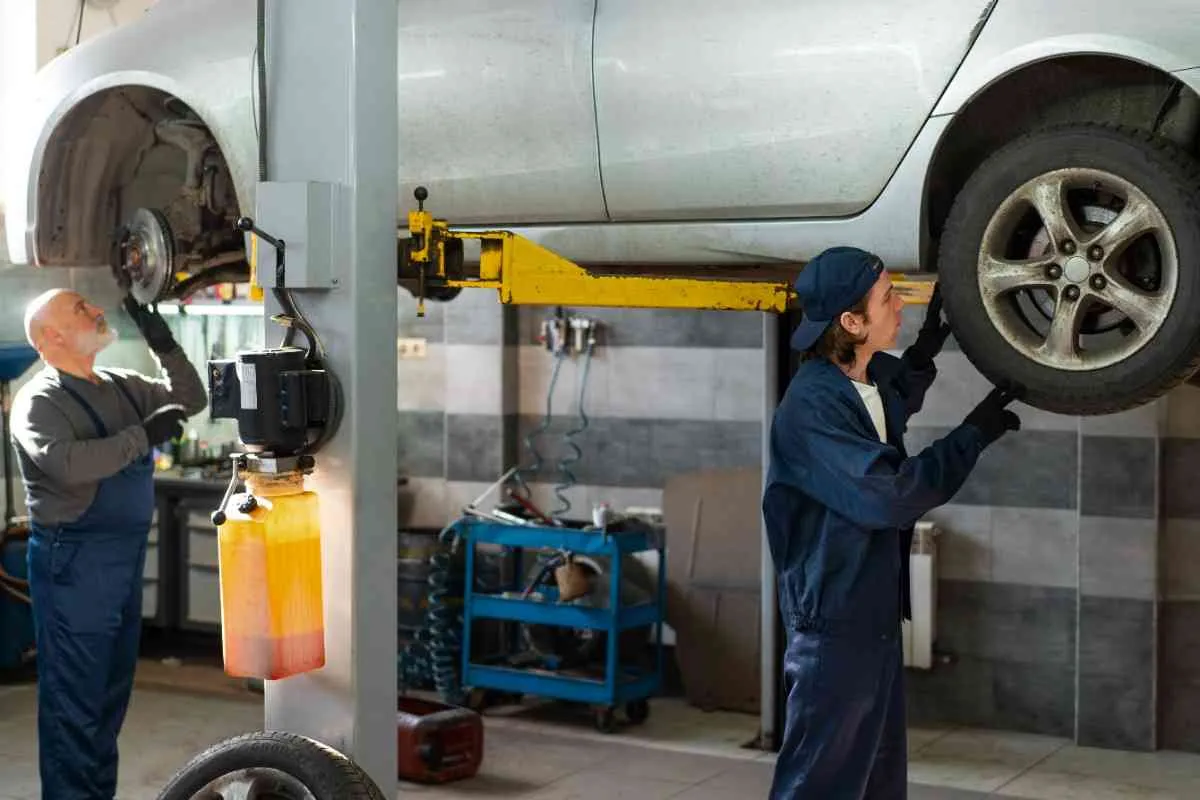
Technicians remove damaged body panels, bumpers, lights, trim, and other affected components to expose areas that may not be visible during the initial inspection.
This process can reveal hidden damage involving impact absorbers, mounting components, sensors, structural sections, and other safety-related systems.
2. 3D Computerized Frame and Structural Mapping
Modern collision repair facilities may use computerized measuring systems to evaluate the vehicle's structure against manufacturer specifications.
These measurements help technicians identify deviations in structural components and determine the appropriate repair procedures needed to restore the vehicle according to applicable specifications.
3. Electronic Diagnostic Pre-Scanning
Modern vehicles contain numerous electronic systems and Advanced Driver Assistance System (ADAS) components.
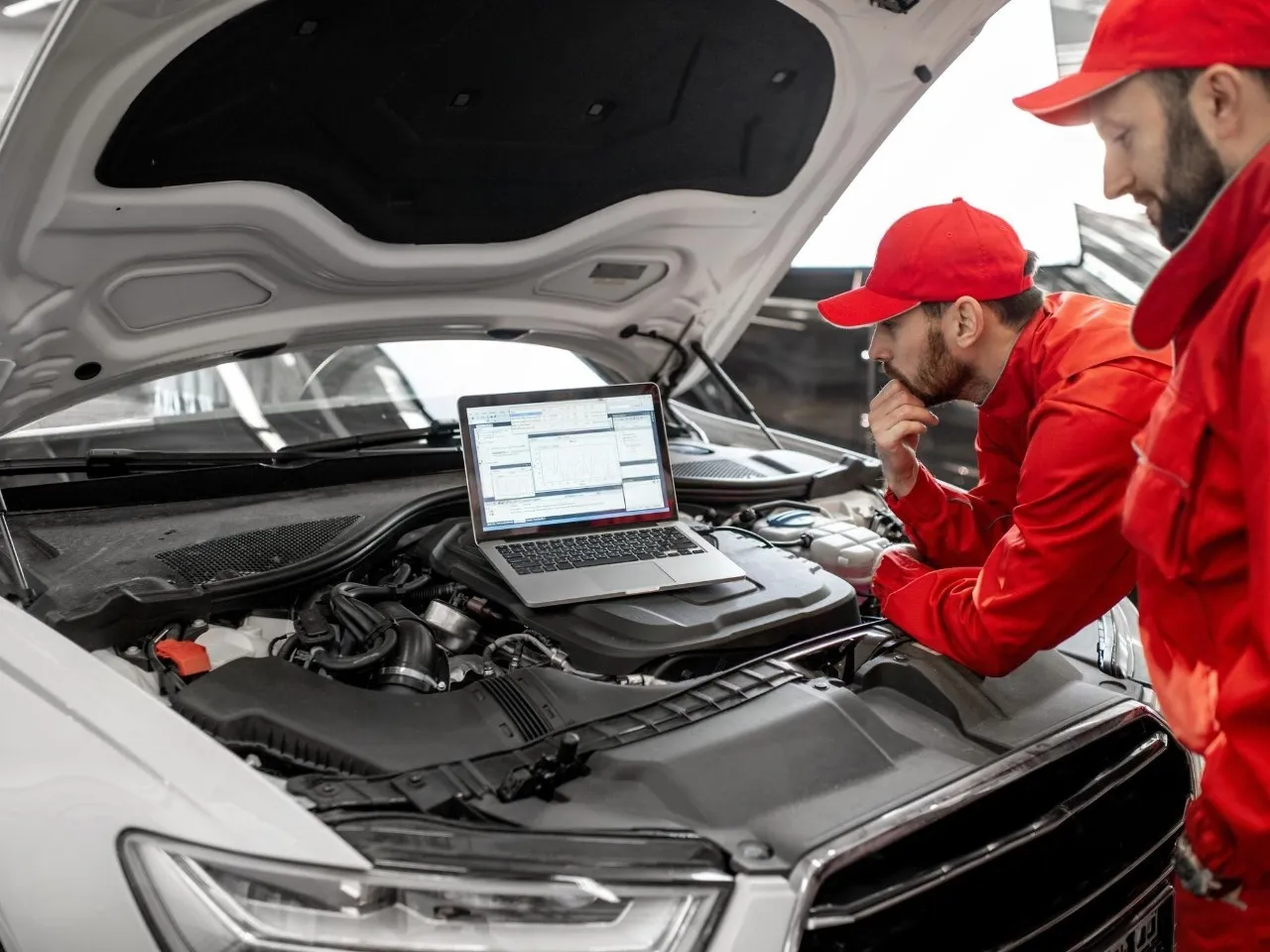
A pre-repair diagnostic scan can identify diagnostic trouble codes and potential issues involving systems such as parking sensors, cameras, radar units, blind-spot monitoring, and other electronic components. This information helps technicians develop a more complete repair plan.
4. OEM Repair Guideline Matching
Vehicle manufacturers provide repair procedures that specify how certain materials and components should be repaired or replaced.
Blueprinting helps incorporate relevant manufacturer repair information into the overall repair plan. When combined with comprehensive Auto mechanic services wurtsboro ny drivers trust, related mechanical components such as suspension parts, steering systems, and brake components can also be inspected and addressed when necessary.
5. Upfront Parts Planning and Sourcing
Once the damage has been fully identified, the repair facility can prepare a detailed list of required parts, materials, and components.
Planning parts requirements early can help reduce interruptions caused by discovering additional damaged components after the repair process is already underway.
Why Blueprinting Is Important for Electric Vehicles and Modern ADAS
As vehicles become more technologically advanced, detailed repair planning has become increasingly important.
Electric vehicles may contain high-voltage systems, battery assemblies, specialized materials, and manufacturer-specific repair requirements. Modern vehicles also rely heavily on cameras, sensors, radar systems, and other ADAS technology that may require inspection, repair, calibration, or verification after a collision.
For drivers seeking professional car body repair in wurtsboro, detailed blueprinting can help technicians identify the systems and procedures that need attention before repairs begin.
Similarly, a Tesla-certified body shop wurtsboro ny motorists rely on may follow manufacturer-specific procedures when evaluating collision damage and planning appropriate repairs for eligible Tesla vehicles.
How Collision Blueprinting Works Step-by-Step
Here is a general overview of what happens during a professional collision blueprinting workflow:
Step 1: Intake and Electronic Pre-Scan
The vehicle's visible condition is documented, and diagnostic equipment may be used to identify existing diagnostic trouble codes or potential issues involving electronic systems.
Step 2: Systematic Disassembly
Damaged exterior components, including bumper covers, fenders, lights, trim pieces, and other affected parts, may be removed to inspect underlying areas for hidden damage.
Step 3: Structural Measurement
The vehicle may be evaluated using computerized or electronic measuring equipment to compare structural dimensions with applicable manufacturer specifications.
Step 4: Master Repair Plan Creation
After the inspection, diagnostics, measurements, and teardown are completed, the repair facility develops a detailed repair plan.
The plan may include required repair operations, replacement parts, materials, mechanical work, diagnostic procedures, and any necessary calibration or verification steps.
Choosing a Facility That Prioritizes Blueprinting
Not every repair facility follows the same blueprinting process. A thorough inspection and repair plan can help identify hidden damage before major repairs are underway and provide a clearer understanding of the work required.
Entrusting your vehicle to a professional collision repair shop in wurtsboro can help ensure that the vehicle receives a detailed inspection and a structured repair plan based on the extent of the damage.
A qualified facility such as CARSTAR Spectrum Auto Inc can provide collision repair services designed to address structural, cosmetic, mechanical, and electronic damage according to appropriate repair procedures.
By prioritizing a complete collision repair blueprint, vehicle owners can gain a clearer understanding of the repair process and the work required to restore their vehicles following an accident.
Frequently Asked Questions (FAQs)
1. What is the difference between a collision repair estimate and a blueprint?
A collision repair estimate is an initial assessment of the visible and known damage to a vehicle. A collision repair blueprint is a more detailed repair plan developed after additional inspection, disassembly, measurements, diagnostics, and research into applicable repair procedures.
2. Does blueprinting take longer than a standard visual estimate?
Blueprinting may require additional inspection and planning at the beginning of the repair process. However, identifying damage and repair requirements earlier can help create a more organized repair workflow and reduce interruptions caused by unexpected discoveries.
3. Why is an electronic pre-scan necessary during blueprinting?
Modern vehicles contain numerous electronic systems, sensors, and safety-related components. A pre-repair scan can help identify diagnostic trouble codes or potential electronic issues that may not be visible during a physical inspection.
4. Will my insurance company accept a blueprint instead of a traditional quote?
Insurance claim procedures can vary depending on the insurer, policy, and extent of the damage. A detailed repair plan and supporting documentation can help provide a clearer explanation of the repairs and operations required.
5. Can blueprinting help determine whether a vehicle should be repaired or declared a total loss?
A detailed assessment can provide a more accurate understanding of the vehicle's damage and estimated repair requirements. The final determination regarding whether a vehicle is repaired or declared a total loss depends on factors such as repair costs, vehicle value, insurance coverage, and applicable insurer guidelines.
























Sign in to leave a comment.