

The ebola virus is one of the world’s deadliest infectious diseases. It causes severe illness in humans and animals and can spread rapidly during outbreaks. Over the years, several regions in Africa have faced serious ebola virus disease outbreak situations, leading to thousands of deaths and global health emergencies. Because of its high fatality rate, the ebola virus epidemic has become a major concern for international health organizations.
In recent years, news related to ebola virus new york, imported cases in the United States, and global travel restrictions have increased public awareness about the disease. Understanding how Ebola spreads, its symptoms, treatment options, and prevention methods is extremely important for protecting public health.
What Is Ebola Virus?
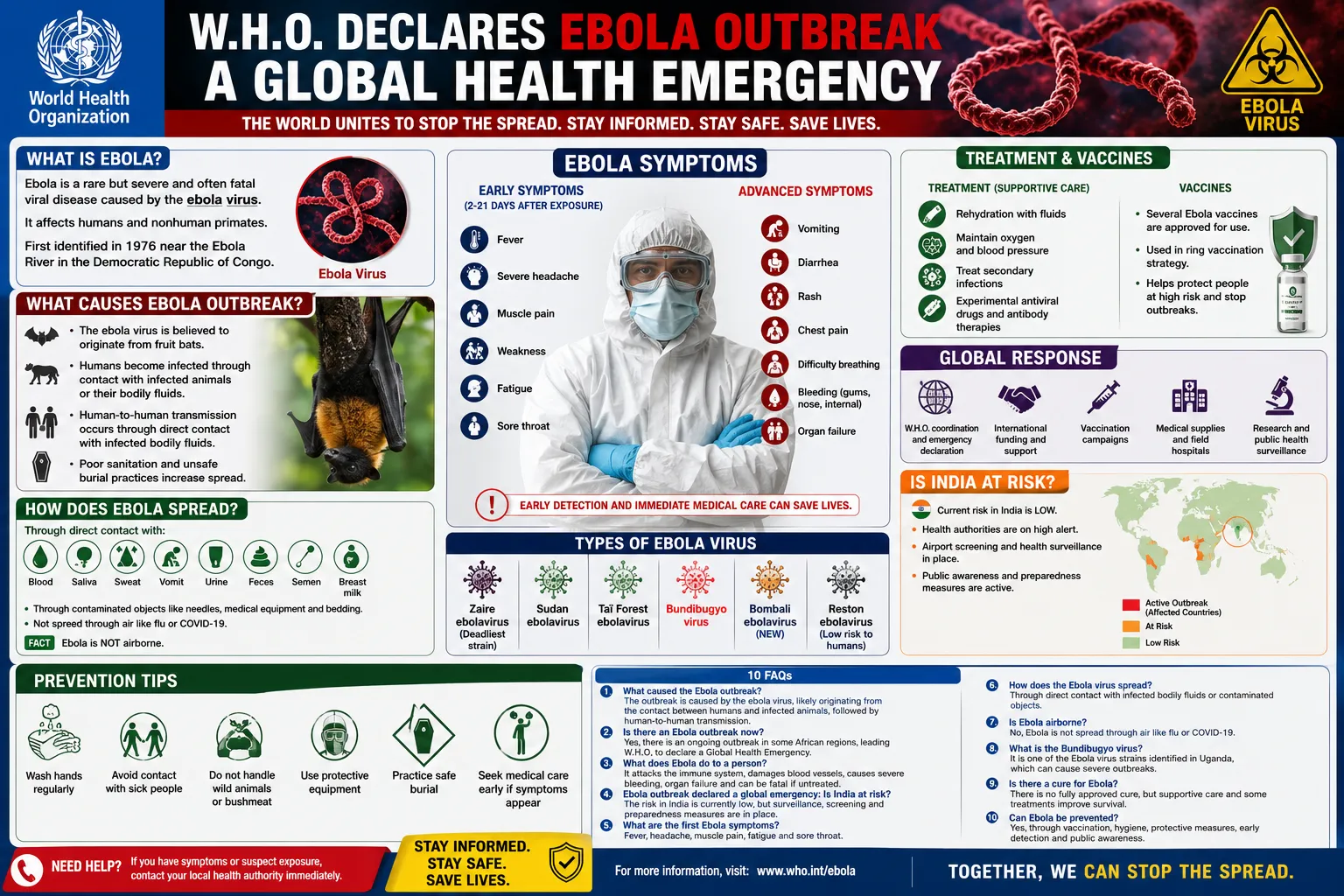
The ebola virus is a rare but severe virus that causes ebola virus disease (EVD), formerly known as Ebola hemorrhagic fever. It belongs to the Filoviridae family of viruses and can infect both humans and nonhuman primates such as monkeys and gorillas.
The disease was first identified in 1976 near the Ebola River in what is now the Democratic Republic of Congo. Since then, multiple ebola virus disease outbreak events have occurred, mainly in African countries.
The virus attacks the immune system and organs, causing severe bleeding, organ failure, and in many cases death if not treated quickly.
How Was Ebola Virus Discovered?
The ebola virus was first discovered in 1976 during two simultaneous outbreaks in Sudan and the Democratic Republic of Congo. Scientists named the virus after the Ebola River located near one of the outbreak areas.
Doctors noticed patients suffering from high fever, internal bleeding, vomiting, and extreme weakness. Laboratory testing later confirmed the existence of a previously unknown virus.
The discovery of the ebola virus epidemic changed global infectious disease research and led to the development of strict containment procedures for dangerous viral infections.
What Causes Ebola Virus Disease?
The ebola virus disease is caused by infection with the Ebola virus. Scientists believe fruit bats are the natural hosts of the virus. Humans can become infected through direct contact with infected animals or infected body fluids.
Common sources include:
- Fruit bats
- Monkeys
- Chimpanzees
- Gorillas
- Forest antelope
Once humans are infected, the virus spreads from person to person very quickly during an ebola virus disease outbreak.
How Does Ebola Virus Spread?
Understanding how is ebola transmitted is important for preventing outbreaks.
The ebola virus spreads through direct contact with:
- Blood
- Saliva
- Sweat
- Vomit
- Urine
- Semen
- Breast milk
- Contaminated surfaces
The virus can also spread during burial rituals where people touch the body of an infected person.
Unlike airborne diseases such as COVID-19, the ebola virus does not usually spread through the air.
How Did Ebola Virus Spread Across Countries?
Many people ask, “how did ebola virus spread globally?”
The spread of the ebola virus epidemic mainly occurred through:
- International travel
- Poor healthcare systems
- Lack of protective equipment
- Delayed diagnosis
- Contact with infected patients
The largest ebola virus disease outbreak happened in West Africa between 2014 and 2016. Countries heavily affected included:
- Guinea
- Liberia
- Sierra Leone
During this outbreak, cases were also reported in the United States, including concerns related to ebola virus new york and imported infections through international travelers.
How Does Ebola Virus Start?
Many people search for “how does ebola virus start.”
An outbreak usually starts when a human comes into contact with an infected wild animal. The virus then spreads from person to person through body fluids.
Poor infection control in hospitals can worsen the situation rapidly, turning isolated cases into a large ebola virus epidemic.
What Are the Symptoms of Ebola Virus Disease?
One of the most searched questions is: “what is the symptoms of ebola virus disease?”
Symptoms usually appear 2 to 21 days after exposure.
Early Symptoms
- Fever
- Fatigue
- Headache
- Muscle pain
- Sore throat
Advanced Symptoms
- Vomiting
- Diarrhea
- Rash
- Stomach pain
- Internal bleeding
- Bleeding from gums or nose
- Organ failure
The symptoms of ebola virus disease can worsen rapidly without medical care.
Stages of Ebola Virus Disease
Stage 1: Incubation Period
The infected person may not show symptoms for several days.
Stage 2: Early Illness
Flu-like symptoms begin.
Stage 3: Gastrointestinal Phase
Severe vomiting and diarrhea cause dehydration.
Stage 4: Critical Phase
Bleeding, organ failure, and shock may occur.
Stage 5: Recovery or Death
Some patients recover with proper treatment, while others may die from complications.
How Dangerous Is the Ebola Virus?
The ebola virus is considered extremely dangerous because of its high fatality rate. Depending on the outbreak and healthcare quality, death rates can range from 25% to 90%.
The large ebola virus epidemic in West Africa caused global panic because healthcare systems struggled to control the spread.
Ebola Virus in the United States
There has been significant concern about ebola virus united states cases.
Although Ebola is rare in the U.S., a few imported cases have occurred due to international travel. Strict airport screenings and quarantine procedures help prevent major outbreaks.
News headlines mentioning ebola virus new york have often involved precautionary investigations rather than large-scale outbreaks.
The Centers for Disease Control and Prevention (CDC) continues monitoring all suspected cases carefully.
Diagnosis of Ebola Virus Disease
Doctors diagnose ebola virus disease using laboratory tests.
Common tests include:
- PCR testing
- Antigen detection tests
- Antibody tests
- Virus isolation tests
Early diagnosis is important because symptoms can resemble malaria, typhoid, or other viral infections.
Ebola Treatment
Many people search for “ebola treatment.”
There is no simple cure for the ebola virus, but supportive medical care greatly improves survival rates.
Treatment Includes
- Intravenous fluids
- Oxygen therapy
- Blood pressure management
- Treatment of secondary infections
- Pain management
- Electrolyte balancing
New antibody therapies and antiviral medications have shown promising results in recent years.
Vaccines for Ebola Virus Disease
Scientists have developed vaccines to help control the ebola virus disease outbreak.
The Ervebo vaccine is one of the most effective vaccines approved for preventing Ebola caused by the Zaire strain.
Vaccination programs have played a major role in reducing the spread during recent outbreaks.
Prevention of Ebola Virus
Preventing the ebola virus epidemic requires strong public health measures.
Prevention Tips
Avoid Contact With Infected Individuals
Do not touch blood or body fluids.
Wash Hands Frequently
Use soap and sanitizer regularly.
Use Protective Equipment
Healthcare workers should wear gloves, masks, and gowns.
Avoid Bushmeat
Do not handle or consume wild animals from outbreak areas.
Safe Burial Practices
Proper handling of bodies helps stop transmission.
Vaccination
Vaccines are highly effective in outbreak zones.
Why Is the Ebola Virus Epidemic So Serious?
The ebola virus epidemic becomes dangerous because:
- It spreads rapidly in close-contact environments.
- Healthcare systems can collapse during outbreaks.
- Fear and misinformation increase panic.
- Isolation and quarantine measures affect economies.
During major ebola virus disease outbreak events, schools, markets, and transportation systems are often disrupted.
Long-Term Effects of Ebola Virus Disease
Survivors of ebola virus disease may experience long-term complications.
These include:
- Joint pain
- Vision problems
- Fatigue
- Mental health issues
- Hearing loss
Some survivors also face social stigma after recovery.
Difference Between Ebola and Other Viral Diseases
| Disease | Transmission | Fatality Rate | Vaccine Available |
|---|---|---|---|
| Ebola Virus Disease | Body fluids | Very High | Yes |
| COVID-19 | Airborne | Moderate | Yes |
| Flu | Airborne | Low | Yes |
| Marburg Virus | Body fluids | High | Limited |
The ebola virus remains one of the deadliest viral infections known to humans.
Global Response to Ebola Virus Disease Outbreak
Organizations working against Ebola include:
- World Health Organization (WHO)
- CDC
- UNICEF
- Doctors Without Borders
These organizations provide:
- Emergency healthcare
- Vaccination campaigns
- Public education
- Medical supplies
Global cooperation is essential during every ebola virus disease outbreak.
Public Awareness About Ebola Virus
Education plays a major role in preventing future outbreaks.
People should understand:
- What is Ebola
- How Ebola spreads
- Symptoms of Ebola
- Prevention methods
- When to seek medical help
Public awareness reduces panic and improves response during an ebola virus epidemic.
Conclusion
The ebola virus is a deadly infectious disease that continues to threaten global health. Understanding the causes, symptoms, transmission, treatment, and prevention of ebola virus disease is essential for protecting communities worldwide.
Although modern medicine has improved survival rates and vaccines are helping control outbreaks, the risk of future ebola virus disease outbreak events still exists. Early detection, strong healthcare systems, vaccination, and public awareness remain the best defenses against another major ebola virus epidemic.
By staying informed about what is ebola virus, how is ebola transmitted, and available ebola treatment options, people can better protect themselves and their communities.
Frequently Asked Questions (FAQs)
1. How was ebola virus discovered?
The ebola virus was discovered in 1976 during outbreaks in Sudan and the Democratic Republic of Congo near the Ebola River.
2. What is ebola virus?
The ebola virus is a severe viral infection that causes ebola virus disease, leading to fever, bleeding, and organ failure.
3. How did ebola virus spread?
The virus spread through direct contact with infected body fluids and contaminated surfaces.
4. What is the symptoms of ebola virus disease?
Symptoms include fever, vomiting, diarrhea, weakness, bleeding, and organ failure.
5. How does ebola virus start?
Outbreaks usually begin through contact with infected animals and then spread between humans.
6. How is Ebola transmitted?
Ebola spreads through blood and body fluids of infected individuals.
7. Is there an ebola treatment?
There is no guaranteed cure, but supportive care and antibody treatments improve survival.
8. Can Ebola spread through air?
No, Ebola is not considered an airborne disease.
9. Is there a vaccine for ebola virus disease?
Yes, vaccines such as Ervebo help prevent infection.
10. Has there been an ebola virus new york outbreak?
There have been precautionary cases and investigations, but no major Ebola outbreak in New York.




























Sign in to leave a comment.