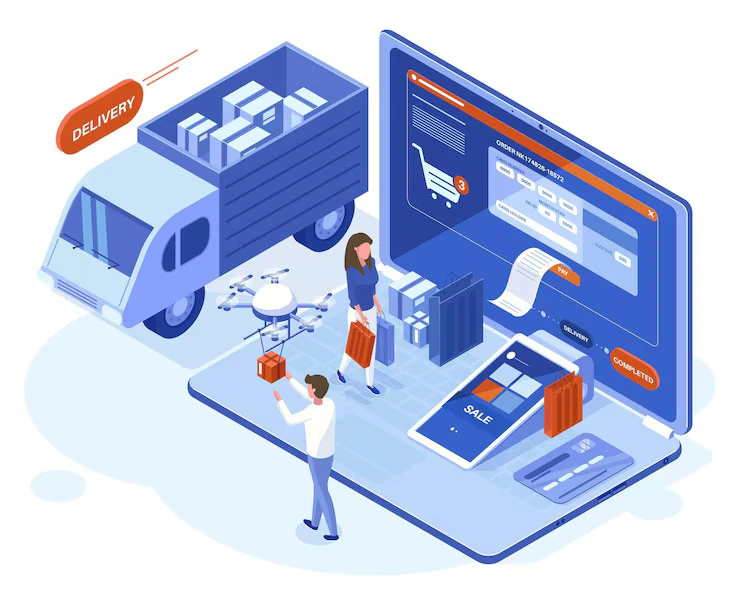

Understanding Fleet Management in Logistics
Fleet management in logistics refers to the coordination and oversight of commercial vehicles to ensure efficient operations, regulatory compliance, and cost-effectiveness. At its core, fleet management software provides businesses with powerful tools to track, maintain, and optimize their transportation assets—whether they're managing a small local fleet or coordinating hundreds of vehicles across multiple regions.
The global fleet management market continues to expand rapidly, with companies increasingly recognizing the value of implementing comprehensive fleet management systems to streamline their logistics operations. Modern fleet management solutions combine hardware devices, software platforms, and data analytics to provide unprecedented visibility and control over fleet assets.
Key Components of Effective Fleet Management Software
A complete fleet management solution typically includes several essential components that work together to optimize fleet operations:
1. Real-time GPS Fleet Tracking System
The foundation of any fleet management system is its tracking capability. Advanced GPS-based fleet management tracking systems provide:
- Live vehicle location monitoring
- Route optimization and navigation
- Geofencing capabilities
- Historical travel data analysis
- Traffic condition alerts and alternative routing
These features allow fleet managers to make data-driven decisions about vehicle dispatch, route planning, and driver assignment, significantly improving operational efficiency.
2. Vehicle Maintenance Management
Fleet maintenance management software helps prevent costly breakdowns and extends vehicle lifespan through:
- Scheduled maintenance reminders
- Diagnostic trouble code alerts
- Service history tracking
- Parts inventory management
- Repair cost analysis
By shifting from reactive to preventive maintenance, companies can reduce unexpected downtime and extend the operational life of their fleet assets.
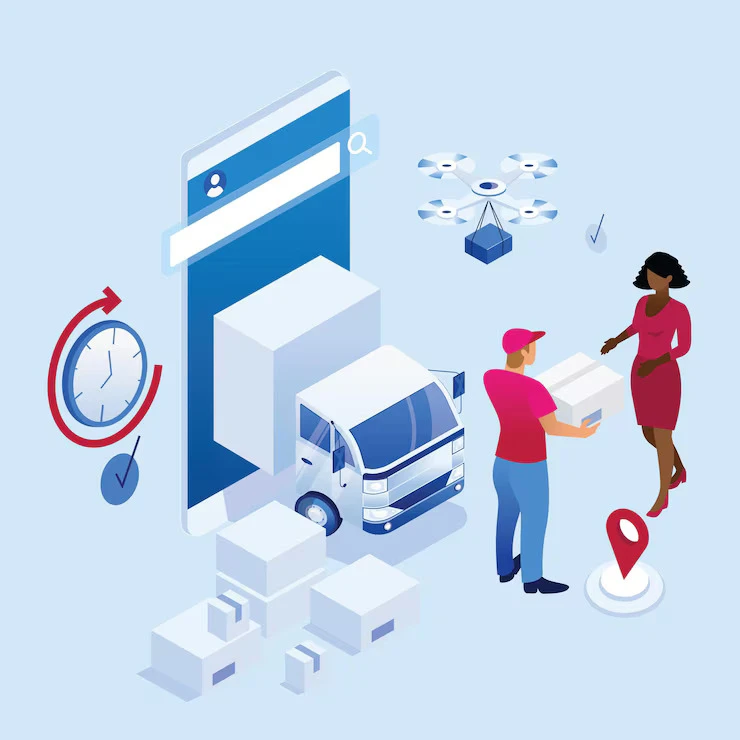
3. Driver Management and Safety
Modern fleet management services incorporate driver monitoring tools that:
- Track driver behavior (speeding, harsh braking, rapid acceleration)
- Provide real-time coaching and feedback
- Generate driver safety scorecards
- Enforce compliance with hours-of-service regulations
- Support proper training and certification management
These features not only improve safety but also reduce insurance premiums and liability risks.
4. Fuel Management
With fuel costs representing a significant portion of fleet expenses, effective fleet management software includes tools to:
- Monitor fuel consumption across all vehicles
- Identify fuel waste and inefficient driving patterns
- Track fuel card usage and detect anomalies
- Optimize routes to minimize fuel consumption
- Support alternative fuel integration and management
Benefits of Implementing Fleet Management Software
Organizations implementing comprehensive fleet management solutions in UAE and globally report numerous benefits:
Operational Efficiency
- 15-30% reduction in idle time
- 5-15% decrease in overall miles driven
- 10-25% improvement in vehicle utilization
- Streamlined dispatch and routing processes
Cost Reduction
- 8-12% reduction in fuel costs
- 30% decrease in unauthorized vehicle use
- 15-20% lower maintenance expenses
- Reduced administrative overhead
Improved Safety and Compliance
- 40-50% reduction in accidents and safety incidents
- Enhanced regulatory compliance
- Decreased liability exposure
- Better driver retention through accountability and recognition programs
Enhanced Customer Service
- More accurate ETAs
- Faster response to delivery exceptions
- Improved proof of delivery
- Greater accountability and transparency
Fleet Management Software Development: Key Considerations
When exploring fleet management software development options, organizations should consider several factors:
Development Approach
Companies can choose between custom development, off-the-shelf solutions, or hybrid approaches that combine ready-made components with customized features. The best approach depends on your organization's specific needs, timeline, and budget.
Essential Features
A competitive fleet management solution should include:
- Intuitive dashboard interfaces
- Mobile accessibility for field operations
- Integration capabilities with existing business systems
- Customizable reporting and analytics
- Scalability to accommodate fleet growth
Technology Stack
Modern fleet management applications typically leverage:
- Cloud-based infrastructure for accessibility and scalability
- IoT connectivity for vehicle telematics
- AI and machine learning for predictive analytics
- Mobile technologies for driver apps and field communication
- Secure API frameworks for third-party integrations
Fleet Management App Development Costs
The cost of developing fleet management software varies widely based on complexity, features, and development approach. Typical fleet management software development costs range from:
- Basic solutions: $50,000-$100,000
- Mid-range systems: $100,000-$250,000
- Enterprise-grade platforms: $250,000-$500,000+
Factors affecting development costs include:
- Feature complexity and customization requirements
- Integration needs with existing systems
- Hardware components (if applicable)
- UI/UX design complexity
- Maintenance and support requirements
For businesses in the UAE, partnering with a specialized app development company in Dubai can provide local market expertise and ensure compliance with regional regulations.
Emerging Technologies in Fleet Management
Artificial Intelligence and Machine Learning
AI-powered fleet management systems can predict maintenance needs, optimize routes in real-time, and even anticipate traffic conditions to suggest proactive route changes.
Facial Recognition Systems
Advanced facial recognition systems enhance security and compliance by:
- Verifying driver identity before vehicle access
- Monitoring driver alertness and detecting fatigue
- Ensuring only authorized personnel access restricted areas or vehicles
- Streamlining driver check-in/check-out processes
IoT Integration
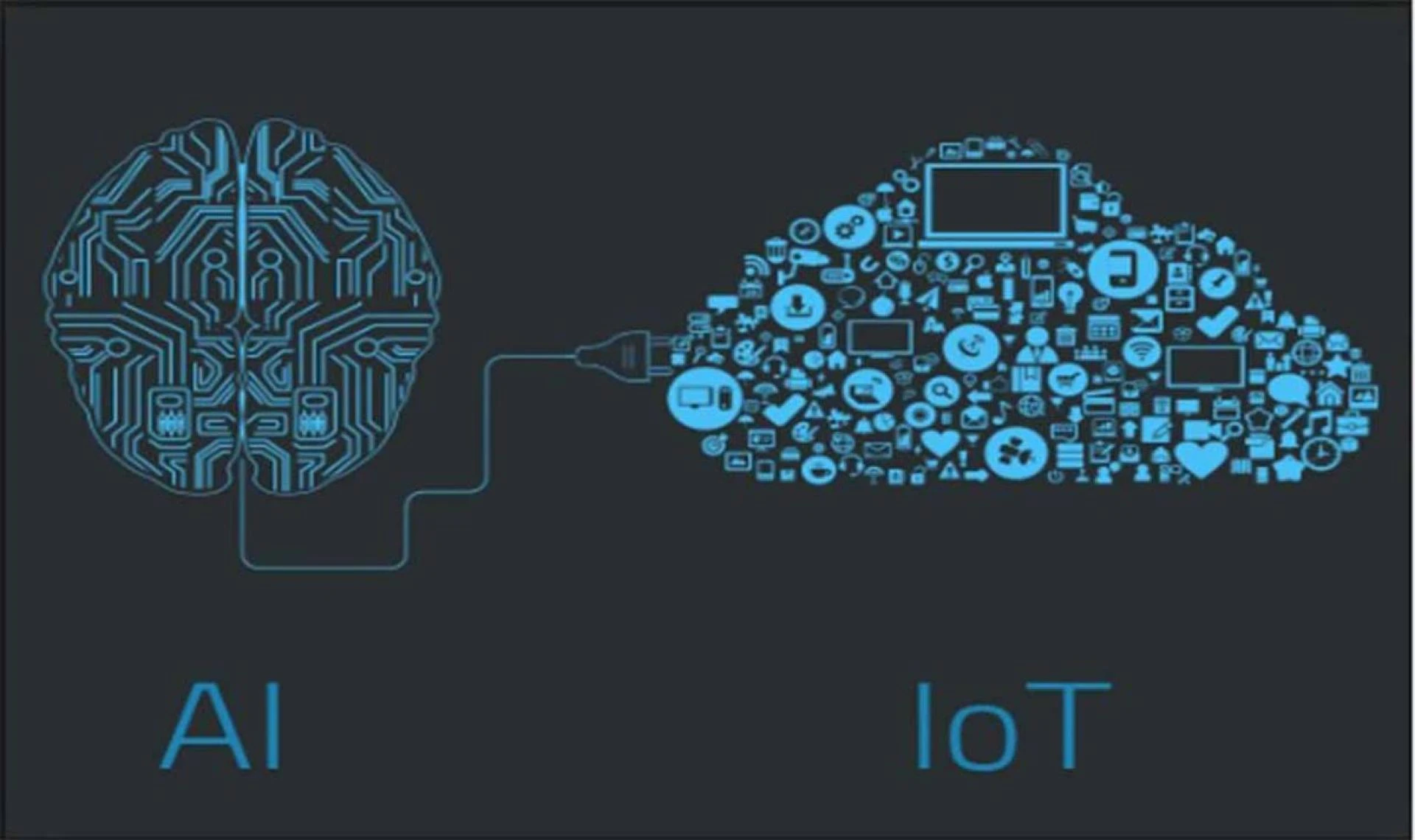
The Internet of Things (IoT) has transformed fleet management by connecting vehicles, infrastructure, and management systems into a cohesive network that shares data seamlessly—often powered by an Internet of Things mobile app for real-time monitoring and control.
Autonomous Vehicle Integration
As autonomous vehicle technology advances, fleet management software is evolving to accommodate mixed fleets of human-driven and autonomous vehicles, creating new challenges and opportunities for logistics operations.
Choosing the Best Fleet Software Providers
When selecting among fleet management solutions providers, consider:
Industry Expertise
Look for vendors with specific experience in your industry vertical, whether it's long-haul trucking, last-mile delivery, service fleets, or specialized transportation.
Scalability
Ensure the solution can grow with your business and accommodate future fleet expansion without requiring a complete system replacement.
Support and Training
Evaluate the provider's implementation support, ongoing customer service, and training resources to ensure successful adoption.
Integration Capabilities
Verify that the fleet management system can seamlessly connect with your existing business software, including ERP systems, accounting software, and customer relationship management tools.
Conclusion: The Future of Fleet Management
As logistics operations become increasingly complex and competitive, implementing robust fleet management software is no longer optional but essential for business success. The most effective fleet management systems combine real-time tracking, preventive maintenance, driver management, and advanced analytics to create a comprehensive solution that drives operational excellence.
For businesses looking to gain a competitive edge in transportation and logistics, investing in fleet management technology offers significant returns through cost reduction, improved customer service, and enhanced operational efficiency. Whether you're operating in the UAE or globally, finding the right fleet management solution for your specific needs can transform your logistics operations and position your business for sustainable growth. Additionally, understanding how to develop a logistics app tailored to your fleet requirements can further optimize your operations, enabling seamless integration between mobile platforms and fleet systems.
Ready to revolutionize your fleet operations? Contact the top fleet management software providers in your region today for a consultation and demonstration of how these powerful tools can transform your business.
Frequently Asked Questions About Fleet Management
What is the main purpose of fleet management?
Fleet management aims to optimize vehicle operations, reduce costs, improve safety, ensure regulatory compliance, and enhance overall efficiency in transportation and logistics operations. Fleet management software centralizes these functions into a unified platform that provides real-time visibility and control.
How much can a business save by implementing fleet management software?
Businesses typically report 10-30% overall cost reductions after implementing comprehensive fleet management solutions. These savings come from reduced fuel consumption, lower maintenance costs, decreased administrative overhead, and improved vehicle utilization.
What are the top challenges in fleet management today?
The most significant challenges include rising fuel costs, driver shortages, regulatory compliance, vehicle maintenance, and technology integration. Effective fleet management software addresses these challenges through data-driven insights and automated processes.
How is fleet management evolving with new technologies?
Fleet management is increasingly incorporating AI, machine learning, IoT connectivity, blockchain for secure transactions, alternative fuel technologies, and preparation for autonomous vehicle integration. These technologies are making fleet operations more efficient, sustainable, and adaptable.




























Sign in to leave a comment.