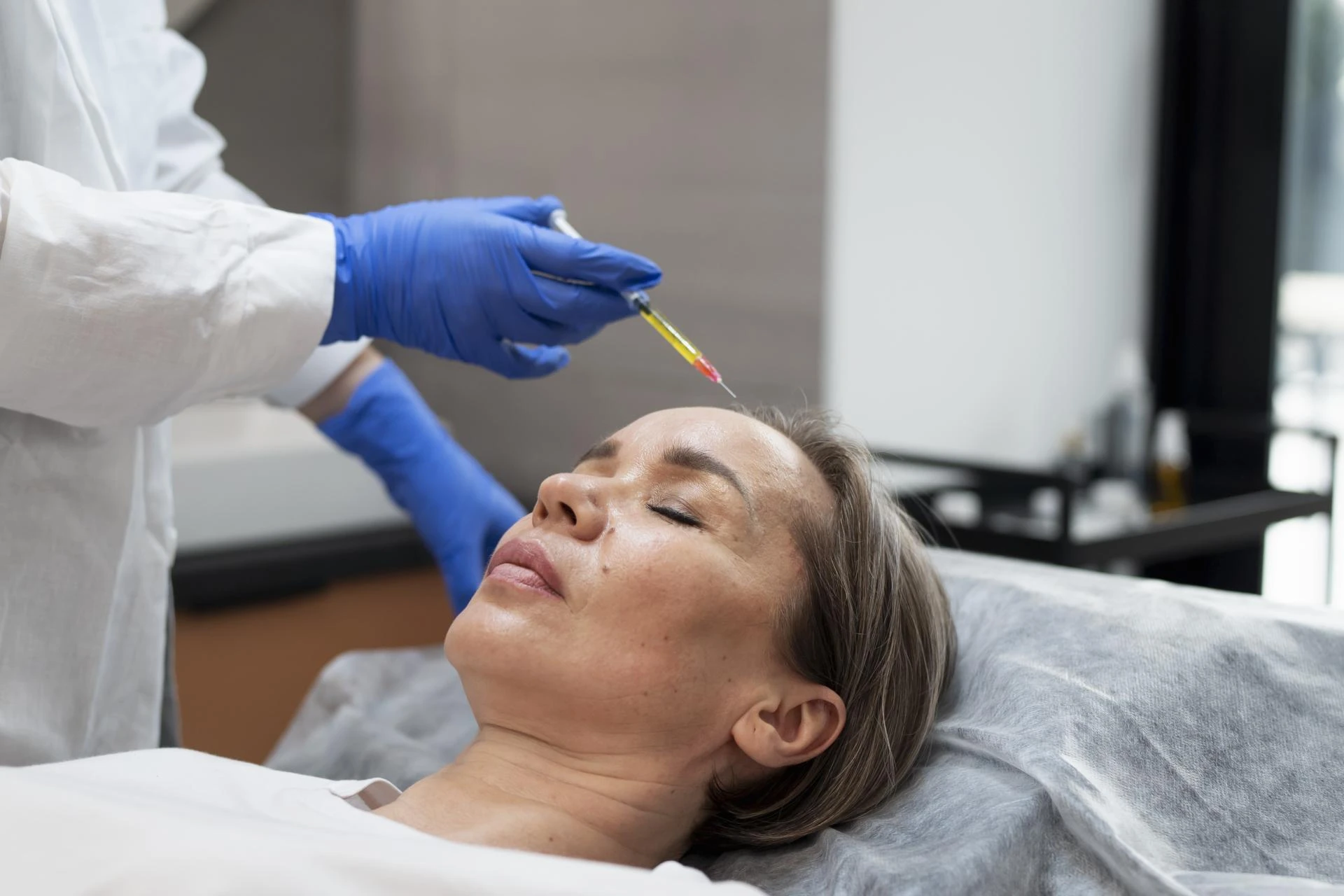

Gas plasma treatment is a cutting-edge technology that’s making waves in both the medical and industrial fields. By harnessing the power of ionized gas, this method can purify surfaces, rejuvenate skin, and modify materials at a microscopic level—all without invasive procedures or harsh chemicals. But what exactly is gas plasma treatment, how does it work, and why is it gaining such popularity across diverse industries? Let’s take a deep dive into the science, applications, and transformative benefits of gas plasma treatment.
🔬 What Is Gas Plasma?
To understand gas plasma treatment, we first need to explore what plasma is. Plasma is one of the four fundamental states of matter—alongside solid, liquid, and gas. It is formed when gas is energized to the point that electrons are stripped from atoms, creating a mixture of positively charged ions and free electrons.
Often referred to as the “fourth state of matter,” plasma is naturally found in lightning, the sun, and auroras. In a controlled setting, gas plasma can be artificially generated using energy sources such as radiofrequency, microwaves, or electric fields.
⚙️ How Does Gas Plasma Treatment Work?
Gas plasma treatment involves exposing a surface or tissue to this ionized gas under specific conditions. Here’s a simplified overview of how the process works:
- Gas Introduction: A carrier gas (commonly argon, helium, oxygen, or nitrogen) is introduced into a sealed chamber or delivered via a handheld device.
- Energy Activation: The gas is subjected to an energy source that ionizes it into plasma.
- Interaction: The energetic plasma interacts with the surface or tissue, causing beneficial physical or chemical changes.
- Treatment Outcome: Depending on the application, this may result in sterilization, surface modification, or therapeutic skin effects.
🌟 Medical & Cosmetic Applications
Gas plasma treatment is rapidly growing in popularity in the medical and aesthetic industries, offering non-invasive solutions with minimal downtime.
✅ 1. Wound Healing and Sterilization
Cold atmospheric plasma (CAP) is used to disinfect wounds, accelerate healing, and kill bacteria—including antibiotic-resistant strains—without harming healthy tissue.
✅ 2. Dermatology and Aesthetic Treatments
Gas plasma is gaining traction in aesthetic medicine as a treatment for:
- Acne and acne scars
- Wrinkle reduction
- Skin tightening and rejuvenation
- Pigmentation and blemishes
It works by stimulating fibroblast activity, increasing collagen production, and enhancing skin renewal—without cutting or burning the skin.
✅ 3. Cancer Research
Plasma therapy is being explored as a potential treatment for cancer. Early research indicates that plasma can induce apoptosis (programmed cell death) in certain cancer cells while sparing normal cells.
🏭 Industrial & Scientific Uses
Beyond healthcare, gas plasma treatment is widely used in various industries for surface modification and preparation.
✅ 1. Surface Activation
Plasma modifies the surface energy of materials, making them more receptive to adhesives, inks, and coatings—ideal for plastics, metals, and textiles.
✅ 2. Sterilization of Medical Equipment
Plasma is used for cold sterilization of heat-sensitive tools in hospitals and laboratories, offering a safe and residue-free alternative to chemical or heat sterilization.
✅ 3. Semiconductor and Electronics Manufacturing
In the electronics industry, gas plasma is used for etching and cleaning micro-scale components with extreme precision.
✅ 4. Textile & Automotive Industries
Gas plasma helps improve dye absorption in fabrics and enhances surface durability and coating adherence in automotive components.
🔄 Types of Gas Plasma Treatment
- Cold Plasma (CAP): Suitable for medical and biological applications due to its low temperature.
- Thermal Plasma: High-temperature plasma used in industrial settings for surface treatments, cutting, or waste processing.
Each type has specific applications based on the energy level, gas used, and required outcome.
✅ Key Benefits of Gas Plasma Treatment
- Non-invasive and painless (especially in skin applications)
- Eco-friendly with minimal chemical use
- Effective against bacteria and biofilms
- Promotes natural healing and regeneration
- Enhances material properties without damage
⚠️ Are There Any Risks?
Gas plasma treatment is generally safe, especially when performed by trained professionals. In skincare or medical use, mild side effects like redness or tingling may occur, but serious complications are rare. In industrial use, safety depends on proper handling of gases and equipment.
📈 Future Outlook
With ongoing advancements in plasma physics, biotechnology, and materials science, gas plasma treatment is expected to evolve into a mainstream solution across medicine, cosmetics, electronics, and environmental science. Its versatility and minimal ecological impact position it as a powerful tool for innovation.
Conclusion
Gas plasma treatment represents a remarkable fusion of science and technology—delivering transformative results in a variety of fields. Whether revitalizing skin, sterilizing equipment, or enhancing material performance, this ionized gas technology is proving to be both effective and sustainable. As research continues to uncover its full potential, gas plasma is set to play a central role in the future of non-invasive medicine and advanced manufacturing.

























Sign in to leave a comment.