
In the ever-evolving landscape of technology, mobile applications have become an integral part of our daily lives. From ordering food to monitoring health, mobile apps have transformed the way we interact with the digital world. As businesses strive to provide seamless user experiences, the development of mobile applications has taken center stage. Among the various approaches to app development, one stands out for its versatility and efficiency - Hybrid Mobile App Development.
What is Hybrid Mobile App Development?
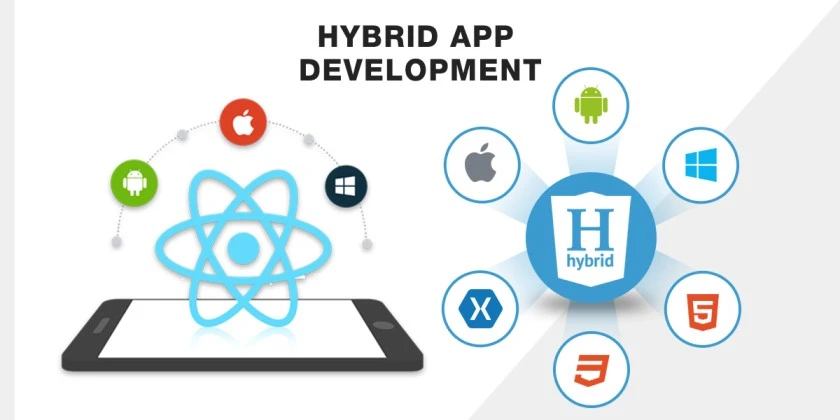
Hybrid mobile app development is a sophisticated technique that combines the best of both worlds: native and web app development. It allows developers to create applications that can run seamlessly on multiple platforms, such as iOS, Android, and even the web, using a single codebase. This approach offers a cost-effective solution to reach a wider audience while maintaining a consistent user experience.
The Key Components of Hybrid Apps
To fully comprehend the power of hybrid mobile app development, it\'s essential to understand its core components.
- Web Technologies
Hybrid apps are primarily built using web technologies such as HTML, CSS, and JavaScript. These languages are the building blocks that enable developers to create cross-platform applications. By leveraging their familiarity with these technologies, developers can expedite the app development process.
- Native Container
One of the defining features of hybrid apps is their ability to run within a native container. This container acts as a bridge between the web code and the device\'s native functions, granting access to device-specific features like the camera, GPS, and push notifications.
- Cross-Platform Frameworks
Cross-platform frameworks like Apache Cordova, Ionic, and React Native are the driving force behind hybrid app development. These frameworks simplify the development process by providing a unified codebase that can be easily adapted to various platforms.
Advantages of Hybrid Mobile App Development
Hybrid mobile app development offers numerous advantages, making it a formidable contender in the app development arena.
- Cost-Efficiency
Building a hybrid app significantly reduces development costs compared to creating separate native apps for each platform. This approach not only saves time but also cuts down on expenses, making it an attractive option for businesses with budget constraints.
- Faster Development
With a single codebase for multiple platforms, developers can streamline the development process and release apps faster. This agility in development allows businesses to respond swiftly to market demands and user feedback.
- Wider Reach
Hybrid apps can run on various platforms, making them accessible to a broader audience. This inclusivity is crucial for businesses looking to expand their user base without the hassle of maintaining multiple codebases.
- Consistent User Experience
Hybrid apps provide a consistent user experience across different platforms. Users won\'t notice any significant differences in functionality or design, ensuring a smooth and cohesive interaction with the app.
Challenges in Hybrid Mobile App Development
While hybrid mobile app development offers a myriad of benefits, it\'s essential to acknowledge the challenges that developers may face:
- Performance
Hybrid apps may not always match the performance of their native counterparts, especially in graphics-intensive applications or those requiring high processing power.
- Limited Native Features
Despite their access to native device features, hybrid apps might face limitations in utilizing advanced functions when compared to fully native apps.
- Maintenance
Keeping a hybrid app up-to-date with evolving platform changes can be a complex task. Developers must ensure compatibility with the latest OS versions and device updates.
The Future of Hybrid Mobile App Development
As technology continues to advance, hybrid mobile app development is poised to become an even more prominent player in the industry. With ongoing improvements in frameworks and tools, the gap between hybrid and native app performance is narrowing.
Conclusion
In conclusion, hybrid mobile app development offers a compelling solution for businesses aiming to provide feature-rich apps across multiple platforms while keeping costs in check. Its ability to blend web technologies with native capabilities positions it as a formidable choice in the competitive world of app development. To stay ahead of the curve, businesses should consider harnessing the power of hybrid mobile app development for their next digital venture.


























Sign in to leave a comment.