
In today's diverse culinary landscape, understanding and meeting various dietary preferences and requirements has become essential for businesses. Among these considerations, kosher certification plays a significant role for those seeking food that adheres to Jewish dietary laws. In this post, we will delve into the concept of kosher certification, its purpose, and the rigorous standards it upholds to ensure quality and compliance.
Defining Kosher Certification: Kosher certification refers to the process through which food products or establishments are verified to be in compliance with Jewish dietary laws, known as kashrut. These laws encompass specific guidelines regarding the types of ingredients, food preparation techniques, and supervision required for a product or establishment to be considered kosher.
KLBD Kosher Certification: Upholding Stringent Standards: KLBD is an esteemed kosher certification agency backed by the London Beth Din, one of the most respected Jewish religious courts. KLBD holds itself to the highest standards of kosher certification, ensuring that certified products meet the stringent requirements of Jewish dietary laws. Their team of expert rabbis and knowledgeable professionals carefully assesses ingredients, production processes, and facilities to verify compliance.
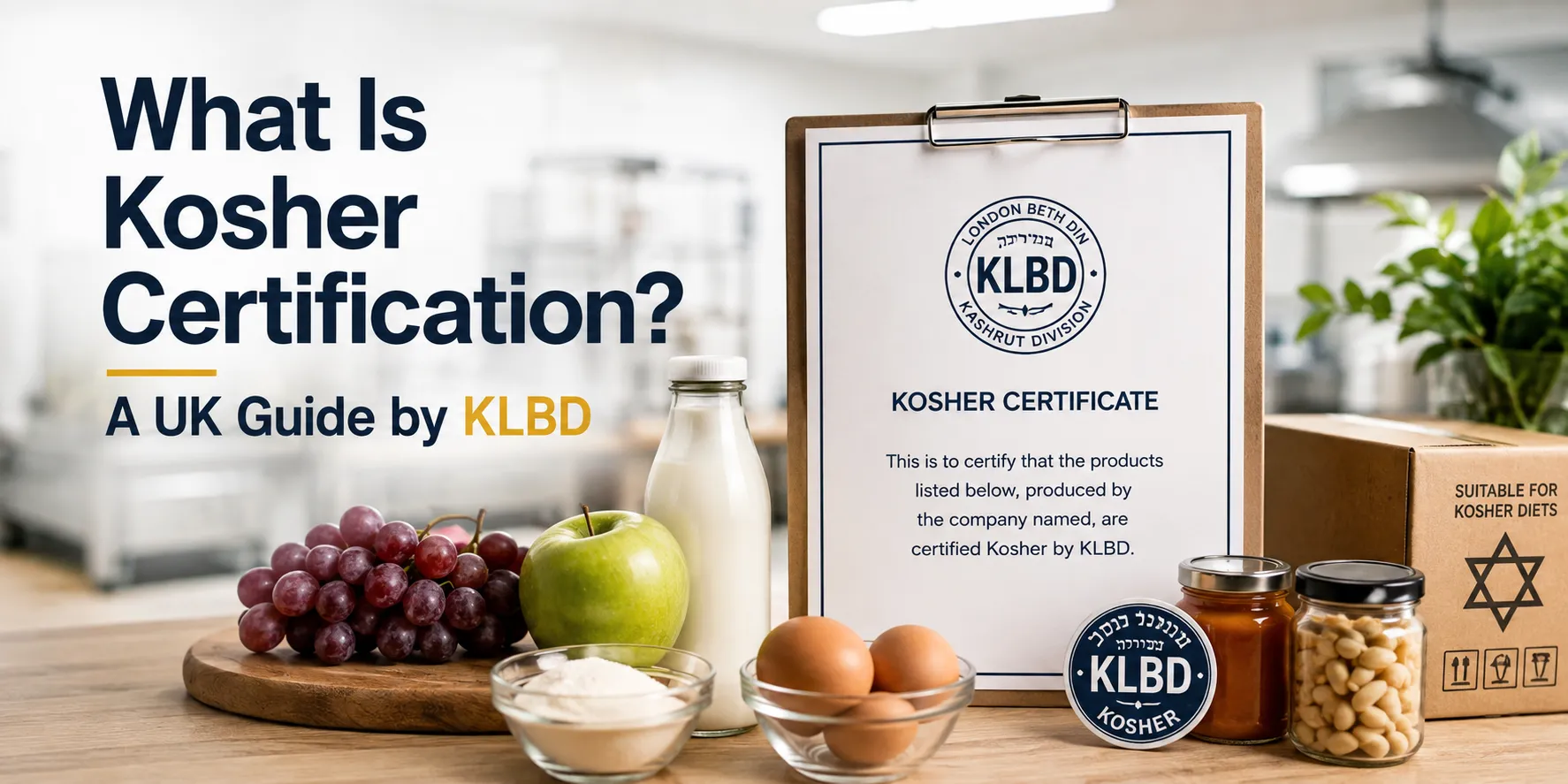
The Importance of KLBD Kosher Certification: Obtaining KLBD Kosher Certification is crucial for businesses looking to cater to kosher-conscious consumers. The KLBD symbol on product packaging assures consumers that the product has undergone comprehensive inspection and meets the strictest kosher standards. It provides transparency and peace of mind to individuals who observe kashrut, as well as those with dietary restrictions, health considerations, or ethical preferences.
Global Recognition and Market Access: KLBD Kosher Certification holds global recognition, giving businesses access to a wide range of markets. The KLBD symbol is trusted and respected by Jewish communities worldwide, allowing certified products to reach a dedicated consumer base. Moreover, KLBD certification extends beyond Jewish communities, as it represents quality, integrity, and compliance with rigorous standards. This broad appeal opens doors to diverse consumer segments seeking certified and trustworthy products.
Support and Education: KLBD offers continuous support and guidance to businesses throughout the certification process and beyond. Their team of experts works closely with manufacturers, providing valuable knowledge and assisting in navigating the complexities of kosher supervision. This ongoing support ensures that businesses understand and maintain compliance with kosher laws, fostering a positive relationship and facilitating a smooth certification process.
Strengthening Brand Reputation: KLBD Kosher Certification enhances a brand's reputation by demonstrating its commitment to quality, compliance, and transparency. The recognizable KLBD symbol serves as a mark of trust, instilling confidence in consumers. By displaying the KLBD symbol, businesses differentiate themselves from competitors and attract kosher-conscious consumers who seek certified products. This strengthens brand loyalty and fosters positive word-of-mouth recommendations.
Kosher certification, such as KLBD Kosher Certification, plays a vital role in meeting the dietary needs of kosher-conscious consumers. KLBD's unwavering commitment to upholding stringent kosher standards ensures that certified products meet the expectations of Jewish dietary laws. Obtaining KLBD Kosher Certification not only provides access to global markets but also strengthens brand reputation, as it represents quality, compliance, and transparency. By partnering with KLBD, businesses can cater to the needs of kosher-conscious consumers, build trust, and establish themselves as leaders in providing certified and trustworthy kosher products.






























Sign in to leave a comment.