
Laparoscopic surgery, often referred to as minimally invasive surgery, is a modern surgical technique designed to perform complex procedures through small incisions rather than traditional open surgery. This approach offers patients faster recovery times, reduced pain, and minimal scarring. For individuals seeking advanced medical care, Laparoscopic surgery in Islamabad has become increasingly popular, as hospitals and clinics are now equipped with state-of-the-art laparoscopic instruments and highly trained surgeons.In this article, we’ll break down what laparoscopic surgery is, how it works, its advantages, and what patients can expect before, during, and after the procedure.
What Is Laparoscopic Surgery?
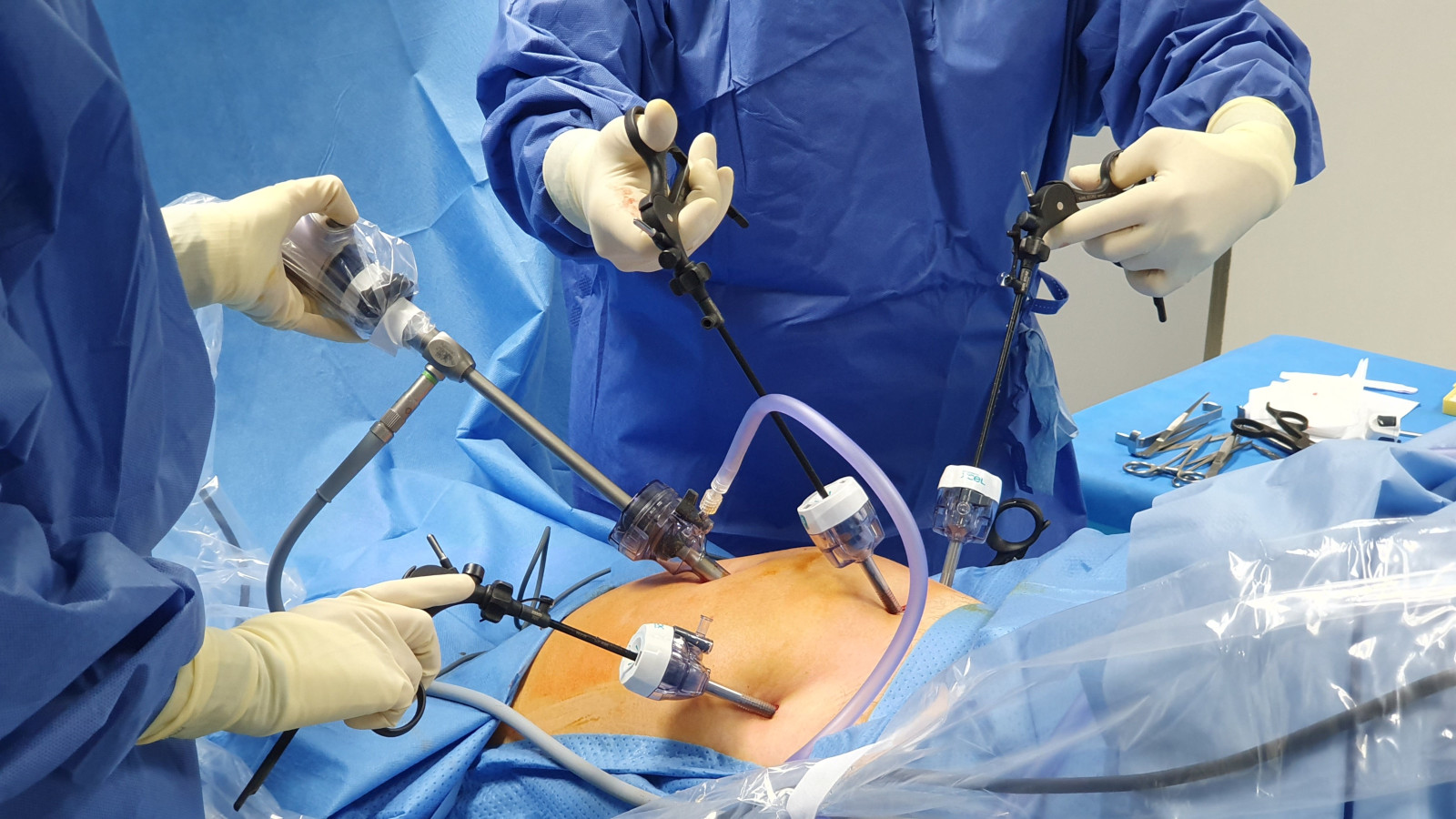
Laparoscopic surgery is a procedure in which surgeons operate through tiny incisions using a laparoscope—a long, thin tube with a high-definition camera and light source. The camera transmits images to a monitor, allowing the surgeon to view the surgical area in real-time. Specialized surgical tools are inserted through additional small incisions, enabling precise operations without the need for large cuts.Unlike traditional surgery, which may require significant tissue disruption, laparoscopic surgery focuses on minimizing trauma, reducing the risk of infection, and speeding up recovery.
How Does Laparoscopic Surgery Work?
The process of laparoscopic surgery involves several carefully coordinated steps:
Anesthesia – The patient is given general anesthesia to ensure comfort and immobility during the operation.
Creating Small Incisions – Usually, 3–5 small incisions (each about 0.5–1.5 cm) are made in the abdominal area.
inserting the Laparoscope – A laparoscope with a camera is inserted through one of the ncisions, providing a live video feed of the internal organs.
Introducing Surgical Instruments – Through the other incisions, surgeons insert specialized instruments to perform the operation, such as cutting, suturing, or removing tissues.
Insufflation – Carbon dioxide gas is used to inflate the abdomen, creating more space for the surgeon to work safely.
Performing the Procedure – The surgeon carries out the required procedure while monitoring the video feed.
Closing Incisions – After completion, the instruments are removed, the gas is released, and the small incisions are closed using sutures or surgical adhesive.
This method allows surgeons to perform delicate procedures with greater precision while significantly reducing recovery times.
What Are the Benefits of Laparoscopic Surgery?
Laparoscopic surgery offers several advantages over traditional open surgery:
- Minimal Scarring – Small incisions leave less visible marks.
- Reduced Pain – Smaller wounds mean less post-operative discomfort.
- Shorter Hospital Stay – Many procedures allow same-day discharge or shorter hospitalization.
- Faster Recovery – Patients can return to normal activities sooner.
- Lower Risk of Infection – Reduced tissue exposure decreases the chance of complications.
- Precision Surgery – High-definition cameras enhance the surgeon’s view of internal organs.
Common Procedures Using Laparoscopic Surgery
Laparoscopic techniques are used for a wide range of procedures, including:
- Gallbladder removal (Cholecystectomy)
- Appendix removal (Appendectomy)
- Hernia repair
- Gynecological surgeries (e.g., hysterectomy, ovarian cyst removal)
- Bariatric surgeries (weight loss surgery)
- Colorectal surgeries
With continuous advancements in surgical technology, laparoscopic procedures are becoming safer and more efficient, making them a preferred choice for many patients.
Laparoscopic Surgery vs. Traditional Surgery: A Quick Comparison
| Feature | Laparoscopic Surgery | Traditional Open Surgery |
|---|---|---|
| Incision Size | 0.5–1.5 cm | 5–20 cm |
| Recovery Time | 1–2 weeks | 4–6 weeks |
| Pain Level | Minimal | Moderate to severe |
| Scarring | Minimal | Large scar |
| Risk of Infection | Lower | Higher |
| Hospital Stay | Shorter | Longer |
As the table shows, laparoscopic surgery provides significant benefits, especially for patients looking for minimally invasive options with faster recovery.
Who Is an Ideal Candidate for Laparoscopic Surgery?
While laparoscopic surgery is safe and effective, not every patient is eligible. Ideal candidates include those who:
- Are generally healthy without severe chronic illnesses.
- Require procedures that can be performed laparoscopically.
- Are not pregnant (in most cases).
- Have no extensive abdominal scarring from prior surgeries.
A thorough evaluation by a qualified surgeon is essential to determine suitability for laparoscopic procedures.
Are There Any Risks or Complications?
Though minimally invasive, laparoscopic surgery carries some risks:
- Infection at incision sites
- Bleeding or internal injury
- Complications from anesthesia
- Rarely, conversion to open surgery if complications arise
However, when performed by experienced surgeons in well-equipped hospitals, laparoscopic surgery is considered very safe.
What to Expect Before and After Surgery
Before Surgery:
- Pre-operative tests (blood work, imaging)
- Fasting for several hours before anesthesia
- Discussion of medical history and medications
After Surgery:
- Mild pain or discomfort at incision sites
- Early mobilization and walking encouraged
- Gradual return to diet and normal activities
- Follow-up appointments to monitor healing
Patients often experience less post-operative pain and quicker recovery compared to traditional surgery.
Reviews: Patient Experiences with Laparoscopic Surgery
“I underwent laparoscopic gallbladder removal last year. The procedure was smooth, and I was back home the same day. The small incisions healed quickly, and I had minimal discomfort.”
“I had a laparoscopic hernia repair. The surgeon explained everything clearly. Recovery was fast, and I was able to resume work within two weeks. Highly recommend this approach.”
"I was nervous about surgery, but the laparoscopic procedure was less intimidating than I expected. Minimal scarring and quick healing made it a great experience."
Frequently Asked Questions (FAQs)
How long does laparoscopic surgery take?
Most procedures last between 30 minutes to 3 hours, depending on complexity.
Will I have scars?
Yes, but they are small and usually fade over time. Most patients have minimal visible marks.
Is laparoscopic surgery safe for older adults?
Yes, with proper pre-operative assessment, it is safe for elderly patients, though individual risks must be considered.
Can all surgeries be done laparoscopically?
Not all. Some complex cases may require traditional open surgery for safety reasons.
How soon can I return to work?
Many patients return within 1–2 weeks, depending on the type of surgery and their overall health.
Conclusion
Laparoscopic surgery represents a significant advancement in surgical care. By utilizing small incisions, high-definition cameras, and specialized instruments, this minimally invasive technique reduces pain, shortens recovery time, and lowers the risk of complications. For patients in need of safe and efficient surgical solutions, laparoscopic surgery in Islamabad provides access to expert care and modern facilities.With the right preparation, experienced surgeons, and proper post-operative care, laparoscopic procedures can deliver excellent outcomes for a wide range of conditions.
Contact Us
If you’re considering laparoscopic surgery or want to learn more about minimally invasive procedures, don’t hesitate to reach out. Our experienced team in Islamabad is ready to answer your questions, guide you through the process, and ensure you receive the best care possible. Contact us today to schedule a consultation and take the first step toward a faster, safer recovery.























Sign in to leave a comment.