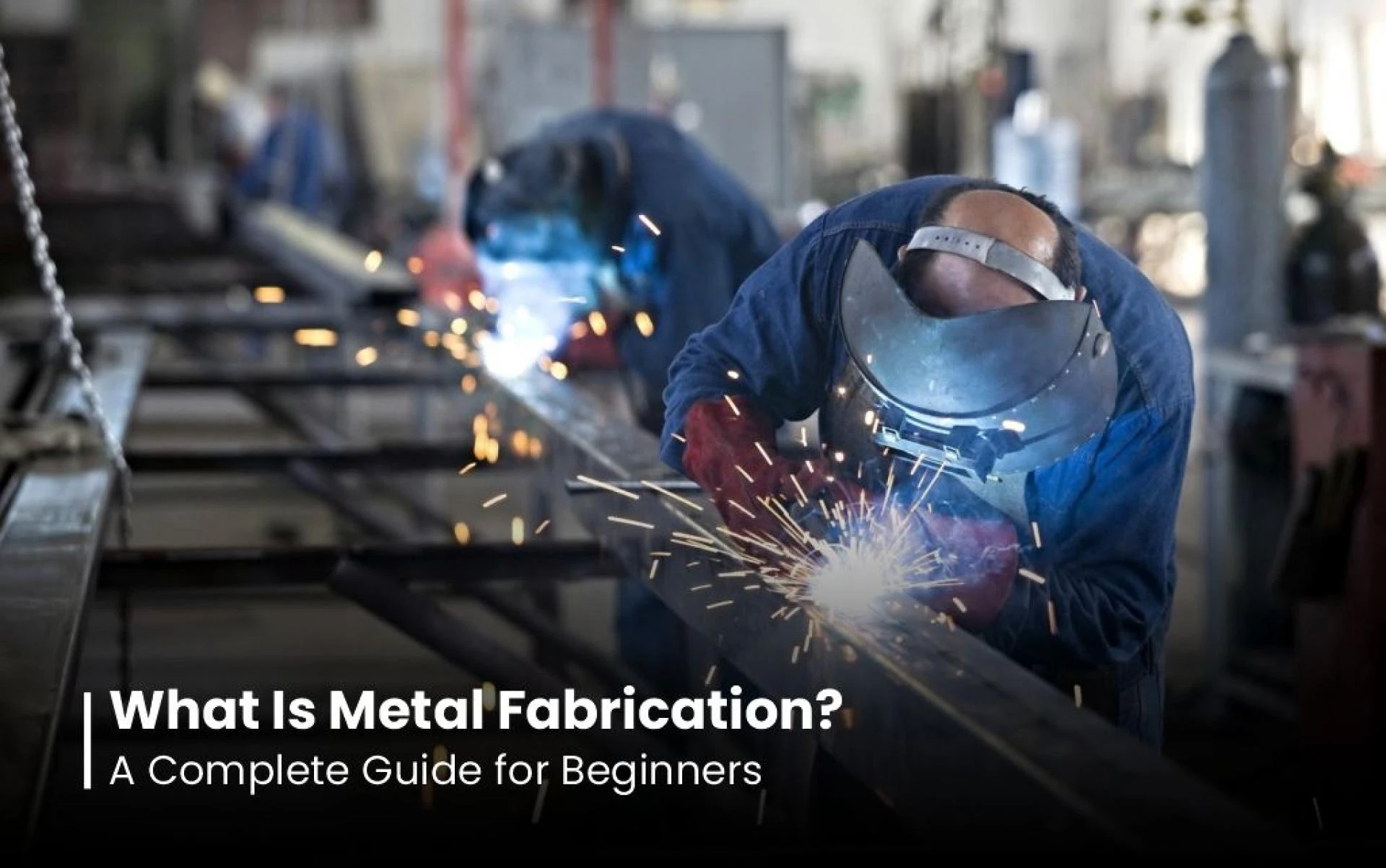

Metal fabrication plays an essential role in nearly every industry—construction, manufacturing, transportation, energy, and even everyday consumer products. While many people recognize metal as a sturdy and reliable material, fewer understand how raw metal is transformed into usable structures, components, and finished products. In this guide, we explore what metal fabrication involves, what metal fabricators actually do, and how the process supports everything from small residential projects to large-scale industrial operations.
As we walk through the fundamentals, we’ll also highlight different types of fabrication such as residential steel fabrication, commercial steel fabrication, industrial steel fabrication, and stainless steel fabrication, helping beginners understand how each area serves a specific purpose. Throughout the industry, companies like Blue Creek Iron Works are known for contributing to this craft by integrating precision techniques and dependable fabrication practices.
Understanding Metal Fabrication
Metal fabrication is the process of shaping, cutting, assembling, and finishing metal materials into functional products or structures. A metal fabricator uses a combination of manual skill, advanced machinery, and engineering principles to turn metal stock—such as steel, aluminum, or stainless steel—into something purposeful. This could be a structural beam, a custom bracket, machine parts, steel frames, or detailed architectural elements.
The process typically involves multiple steps including:
- Cutting
- Bending
- Welding
- Machining
- Assembling
- Surface finishing
These steps are chosen based on the project’s design, performance requirements, and material specifications.
Metal fabrication is essential because it enables custom solutions, durable construction, and precise engineering for a wide range of applications.
Common Materials Used in Metal Fabrication
Although fabrication can be performed on many metals, some of the most common include:
- Carbon steel – widely used for structural frames and commercial projects
- Stainless steel – ideal for corrosion-resistant applications
- Aluminum – lightweight and suitable for transportation or architectural use
- Alloy steels – designed for specialized performance requirements
Each material responds differently to heat, bending, and machining, so a metal fabricator must understand its properties to ensure safety, durability, and performance.
Types of Metal Fabrication
1. Residential Steel Fabrication
Residential fabrication focuses on metal components used in homes or small-scale structures. This includes:
- Stair railings
- Gates
- Decorative panels
- Support beams
- Custom brackets
These projects often balance structural needs with aesthetic design. Homeowners and builders rely on accurate measurements and clean workmanship to ensure long-lasting results.
2. Commercial Steel Fabrication
Commercial fabrication supports office buildings, retail centers, warehouses, and multi-use properties. Examples include:
- Structural frames
- Mezzanines
- Stair systems
- Support columns
- HVAC metal components
Commercial projects typically require more stringent coordination with architects, engineers, and contractors to meet building codes and load-bearing requirements.
3. Industrial Steel Fabrication
Industrial fabrication is used in factories, power plants, manufacturing facilities, and processing plants. This area demands high durability and precision because materials often operate under heavy loads, high temperatures, or constant vibration. Common products include:
- Industrial platforms
- Conveyor systems
- Heavy-duty frames
- Machinery components
- Tanks and piping supports
This type of work requires an advanced understanding of engineering tolerances and material strength.
4. Stainless Steel Fabrication
Stainless steel is known for its corrosion resistance, clean finish, and durability. It is widely used in:
- Food processing equipment
- Chemical plants
- Marine environments
- Medical facilities
Fabricators must handle stainless steel carefully to prevent contamination and maintain its protective properties.
Key Processes Used in Metal Fabrication
Cutting
Metal is cut using methods like plasma cutting, laser cutting, shearing, or sawing. Modern fabricators often rely on CNC machines for accuracy.
Bending
Press brakes and bending machines shape metal sheets or beams into desired angles and curves.
Welding
Welding joins metal parts together using heat. Techniques include MIG, TIG, and stick welding. Certified welders ensure safe and structurally sound connections.
Machining
Machining removes material using tools like mills, lathes, and drills to achieve precise dimensions.
Assembly
After individual components are completed, they are assembled into frames, structures, or finished products.
Finishing
Finishes such as powder coating, galvanizing, painting, or polishing improve durability and resistance to corrosion.
Each step requires skill, experience, and an understanding of engineering requirements.
Why Metal Fabrication Matters
Metal fabrication supports virtually every sector. Without it, there would be no structural steel in buildings, no industrial machinery, and no precisely engineered components. Fabrication ensures:
- Strength and structural integrity
- Customization and flexibility
- Longevity and safety
- Efficiency in construction and industrial operations
Companies such as Blue Creek Iron Works contribute to this reliability by combining craftsmanship with proven fabrication standards.
How Metal Fabricators Maintain Quality and Safety
Experienced fabricators follow strict QA procedures to ensure each component meets its intended design. Quality standards often include:
- Material certification
- Welding inspections
- Dimensional checks
- Load testing
- Compliance with building codes and industry standards
Safety is equally important, as fabrication involves heavy equipment, hot work, and precision tools. A disciplined approach protects both workers and end users.
FAQs About Metal Fabrication
What does a metal fabricator do?
A metal fabricator cuts, shapes, welds, and assembles metal materials to create functional products such as structural components, machinery parts, and custom metalwork.
Is metal fabrication the same as welding?
Welding is one part of metal fabrication. Fabrication also includes cutting, bending, machining, and assembling.
What industries use metal fabrication the most?
Construction, automotive, manufacturing, aerospace, energy, and industrial processing rely heavily on fabrication.
How long does metal fabrication take?
Timelines vary based on complexity, material availability, design clarity, and fabrication workloads. Large structural projects require more planning and coordination.
Why is stainless steel used so often?
Stainless steel is corrosion-resistant, easy to clean, and durable, making it ideal for food processing, medical facilities, and outdoor environments.
Final Thoughts
Metal fabrication is a foundational process in modern construction and manufacturing. By understanding what metal fabricators do and how fabrication works—from residential steel fabrication to industrial steel fabrication—beginners can better appreciate the precision and engineering behind every steel structure or component. Whether the project involves durable structural frames or detailed stainless steel fabrication, expert techniques ensure the final result performs safely and reliably.


























Sign in to leave a comment.