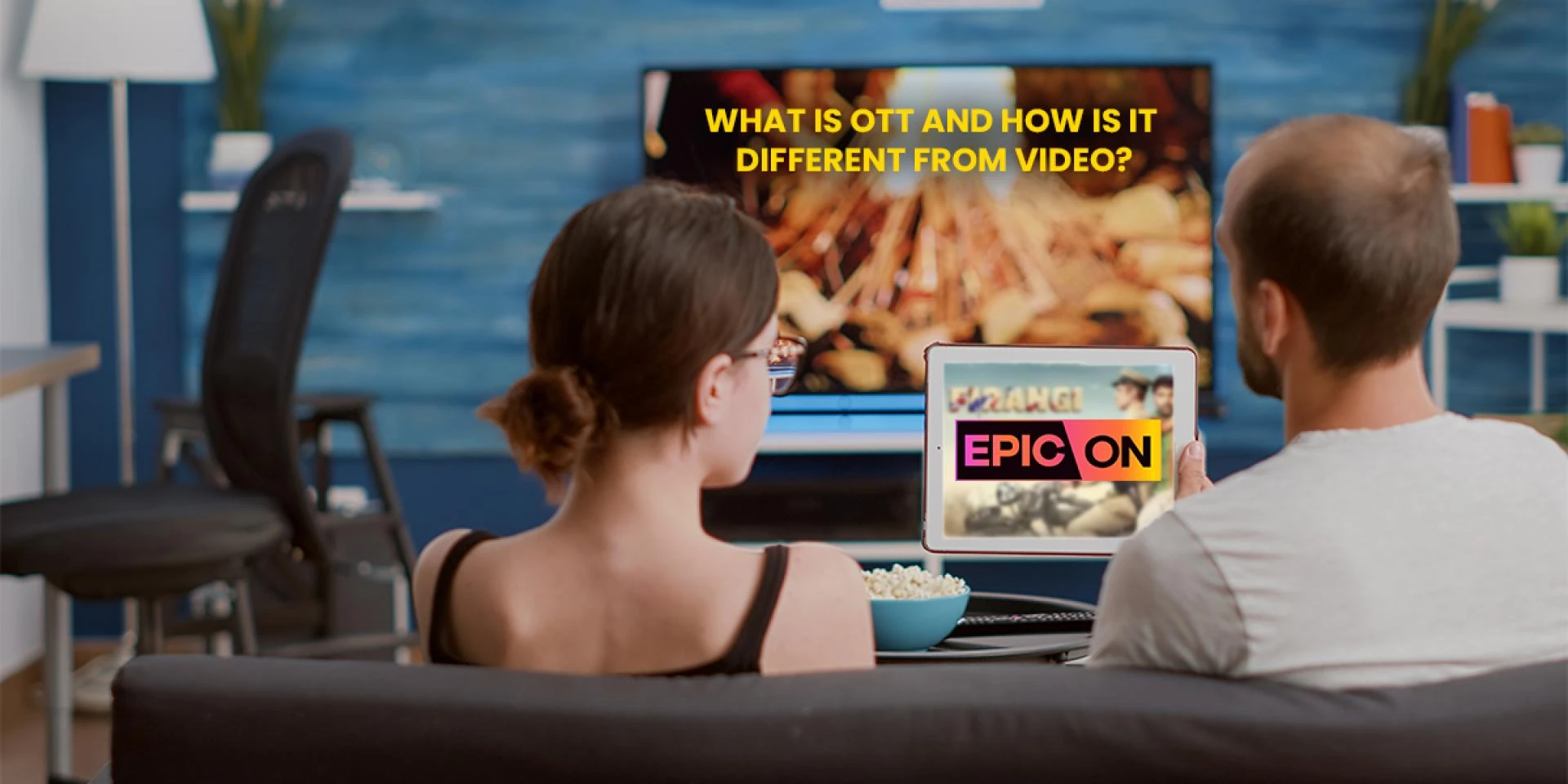
In today's digital age, the way we consume content has dramatically evolved. Traditional TV viewing has gradually given way to more flexible, on-demand entertainment options. This shift is largely due to the rise of OTT platforms. These platforms have revolutionized the way we watch movies, shows, and even live events. But, with the growing popularity of OTT, many people still find themselves asking: What exactly is OTT, and how is it different from video?
What is OTT?
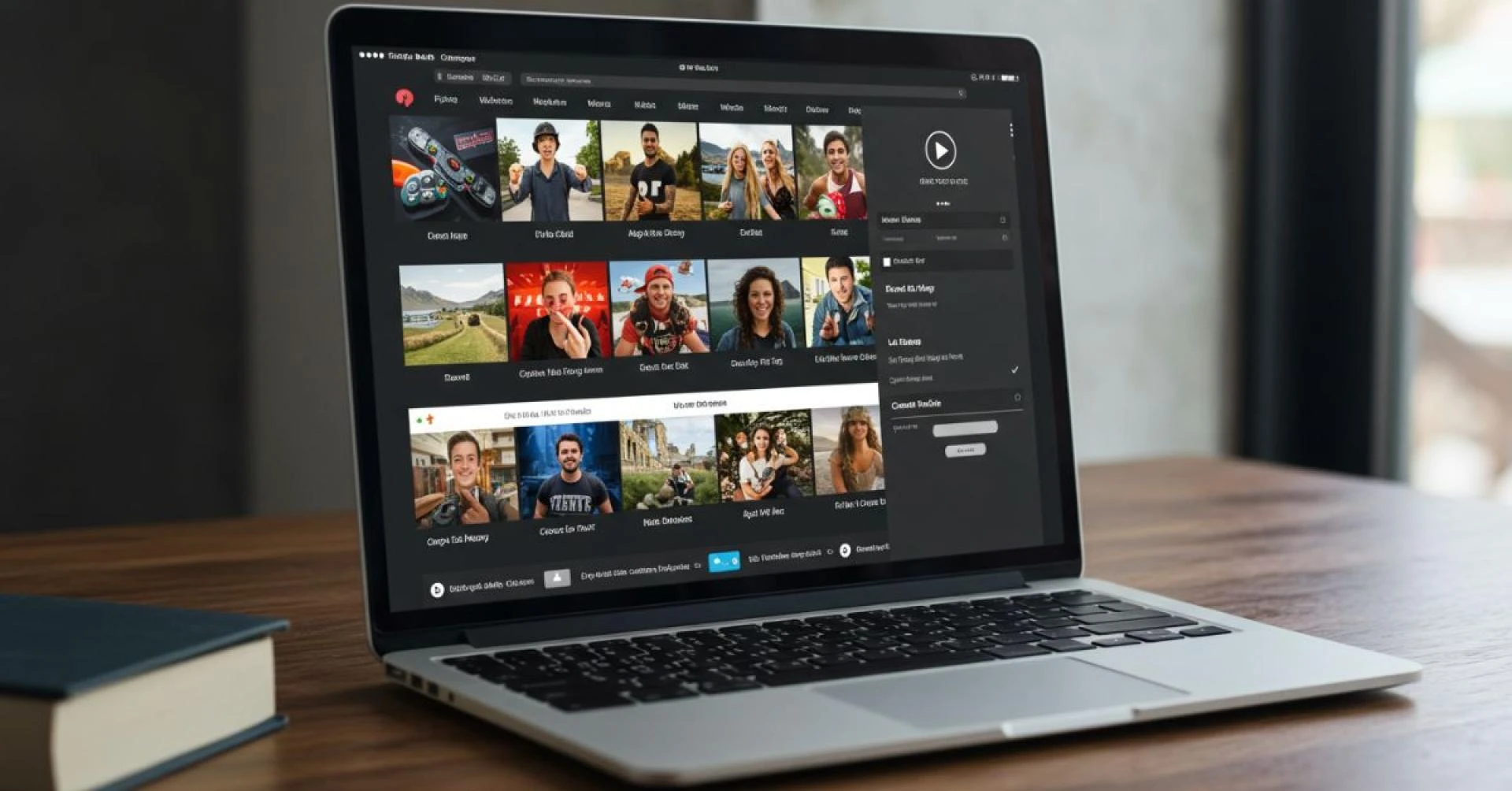
OTT, or Over-the-Top, refers to the delivery of media content via the Internet, bypassing traditional cable or satellite television systems. The term "Over-the-Top" comes from the fact that these services "go over" the infrastructure of traditional broadcasters. OTT platforms provide content directly to users through internet-connected devices such as smartphones, tablets, smart TVs, laptops, and desktop computers.
Unlike traditional television, where you have to subscribe to a specific cable or satellite service, OTT services typically offer a direct-to-consumer model. Popular examples of OTT platforms include Epic ON, Netflix, Amazon Prime Video, Hulu, Disney+, and YouTube. These services allow users to stream content on-demand, meaning they can choose what they want to watch and when they want to watch it, offering a level of convenience that traditional television simply can't match.
OTT platforms typically feature a wide range of content including movies, TV shows, documentaries, live sports events, and even user-generated content (as is the case with YouTube). These platforms offer different subscription models, including ad-supported free versions, subscription-based models (SVOD), and transactional models (TVOD), where users pay for specific content.
How is OTT Different from Video?
While OTT refers to the distribution method, "video" is a broader term that refers to any moving visual media, whether it’s streamed online, broadcast via traditional TV, or played through DVDs. However, OTT platforms are often associated with streaming video content, so understanding the distinction between OTT and video requires a bit more clarity.
. Delivery Method
- OTT (Over-the-Top): OTT services deliver video content directly to consumers over the Internet, bypassing traditional broadcast methods like cable or satellite. This means OTT services are platform-independent — you don’t need a cable subscription or a satellite dish to access the content. Instead, all you need is an internet connection and a compatible device.
- Video: Video, in general, can be delivered through a variety of channels, including cable, satellite, DVD/Blu-ray, and online streaming. The delivery method can be traditional (like television broadcasts) or modern (such as online streaming).
. Content Accessibility
- OTT: OTT platforms focus on providing on-demand access to content. You can watch movies, TV shows, or even live events whenever you want, provided you have a subscription or access to the service. The content is typically available 24/7, and some platforms offer offline viewing as well.
- Video: Video content can be available via different mediums, and the access time may vary. For instance, traditional TV broadcasting has fixed schedules — if you miss a show, you have to wait for a rerun or catch it on-demand if available. DVDs or Blu-rays provide a one-time access to the video unless you own multiple copies.
. Content Variety
- OTT: OTT platforms offer a wide range of content options. These can range from original movies and shows to licensed content, documentaries, reality shows, and live sports. With OTT, viewers often have access to a much larger library of content compared to traditional TV programming.
- Video: Video can encompass a wide range of formats, including online video, traditional TV shows, movies, or even user-generated content. However, the breadth of video options on traditional TV is often limited compared to the flexibility and variety of content offered by OTT platforms.
. Interactivity
- OTT: One of the major appeals of OTT platforms is the interactivity they offer. OTT services often feature advanced search functions, personalized recommendations based on your viewing habits, and the ability to pause, rewind, or skip parts of a video. Users can also enjoy features like multi-device streaming, where they can pick up watching from where they left off on a different device.
- Video: While video content itself can be interactive in some cases (e.g., YouTube's comment sections, interactive videos, or gaming platforms like Twitch), traditional video on cable or satellite TV does not offer the same level of interactivity. With traditional TV, you're usually at the mercy of the broadcaster's schedule.
. Cost and Subscription Model
- OTT: OTT platforms typically follow a subscription-based model, either as a monthly or yearly fee (SVOD), a pay-per-view or transactional model (TVOD), or an ad-supported free model (AVOD). These services offer flexibility and a broad range of content options at a cost that can be less than a traditional cable subscription.
- Video: Traditional video services like cable and satellite television are often more expensive. They involve fixed contracts, equipment costs (like renting a set-top box), and higher fees for premium channels or content. On-demand video services, such as renting movies through digital platforms like Apple iTunes, have separate charges and are not always bundled into a single subscription.
. Quality and Accessibility
- OTT: OTT streaming platforms have embraced high-definition and ultra-high-definition content. With platforms offering content in 4K, HDR, and Dolby Vision, viewers can experience top-tier video quality. However, the quality of the stream is often dependent on the strength of the user's internet connection.
- Video: Traditional television quality can vary depending on the broadcasting format (SD, HD, 4K). However, satellite and cable TV providers may not always offer the same high-definition options available through OTT platforms.
Conclusion:
OTT platforms are undoubtedly changing the way we consume video content. They offer flexibility, convenience, and a wider variety of content than traditional video services. As the demand for OTT services continues to grow, we can expect even more innovation in the world of online streaming, from immersive content like VR and AR experiences to new interactive formats and even more personalized viewing options.
While video as a medium will continue to exist in various forms, OTT platforms have taken a commanding lead in the way we access and engage with content. Whether it’s a major streaming platform or a niche service catering to specific audiences, OTT is here to stay, and its impact on the entertainment industry will only continue to grow. So, next time you’re reaching for your remote or opening your laptop to watch a series, you’ll know exactly what you’re tapping into — the world of OTT video content.













Sign in to leave a comment.