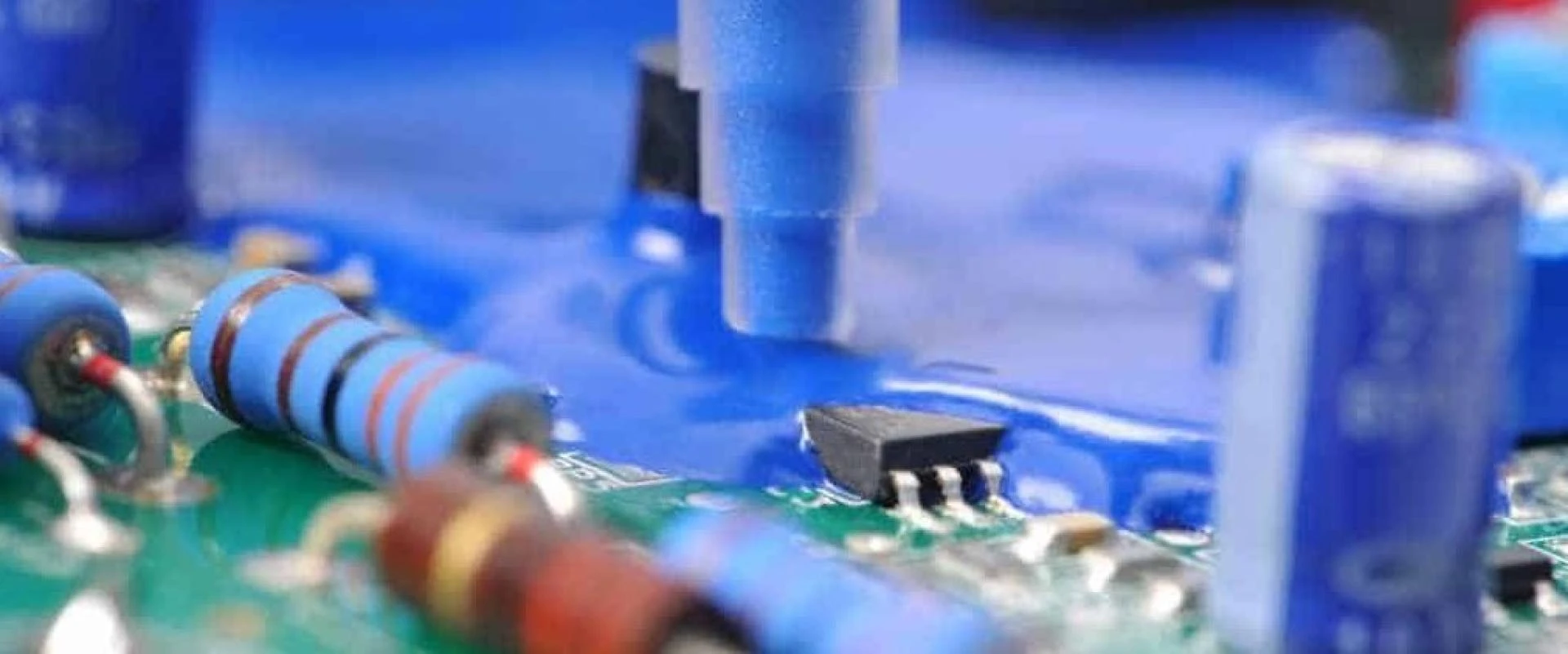

In the ever-evolving world of electronics, ensuring the durability and optimal performance of devices is crucial. PCB potting compound is a vital material that provides robust protection for printed circuit boards (PCBs) and their components. This article explores the nature of PCB potting compounds, their benefits, applications, and key considerations for selecting the right type.
What is PCB Potting Compound?
PCB potting compound is a thermosetting polymer resin used to encapsulate and protect PCBs and their components. These compounds, typically composed of materials such as epoxy, polyurethane, or silicone, are applied in a liquid state and cured to form a solid, protective layer. The primary function of potting compounds is to shield electronic components from environmental hazards, mechanical stress, and electrical interference.
Benefits of Using PCB Potting Compound
Environmental Protection
Potting compounds form a robust barrier against moisture, dust, chemicals, and other contaminants. This protection is essential for devices operating in harsh or outdoor environments, preventing corrosion and malfunction.
Mechanical Stability
By encasing the PCB and its components, potting compounds provide structural support, minimizing the risk of damage from vibrations, shocks, and mechanical stresses. This stability is crucial for electronics used in applications subject to frequent movement or impact.
Electrical Insulation
Potting compounds offer excellent dielectric properties, preventing electrical short circuits and enhancing the reliability of electronic circuits. They also aid in heat dissipation, ensuring components operate within safe temperature ranges.
Chemical Resistance
Many potting compounds are resistant to various chemicals and solvents, ensuring the longevity and functionality of electronics exposed to aggressive environments.
Applications of PCB Potting Compound
PCB potting compounds are utilized across a variety of industries to enhance the durability and performance of electronic devices:
Automotive: In vehicles, potting compounds protect critical electronic modules such as engine control units, sensors, and infotainment systems from moisture, temperature fluctuations, and vibrations.
Consumer Electronics: Devices like smartphones, tablets, and wearable technology use potting compounds to safeguard internal circuits from everyday wear and tear.
Industrial Equipment: Potting compounds protect sensitive electronics in machinery and automation systems from dust, humidity, and mechanical stress.
Aerospace and Defense: In these demanding sectors, potting compounds ensure the reliable operation of avionics and defense systems under extreme conditions.
Choosing the Right PCB Potting Compound
Selecting the appropriate potting compound involves several key considerations:
- Environmental Conditions: Assess the exposure to moisture, chemicals, and temperature extremes.
- Mechanical Requirements: Determine the need for impact resistance and structural support.
- Electrical Properties: Ensure the compound provides adequate insulation and thermal management.
- Application Method: Consider the viscosity and curing time to suit the manufacturing process.
Conclusion
PCB potting compound is an indispensable material in the electronics industry, offering crucial protection to ensure the reliability and longevity of electronic devices. By understanding the benefits and applications of potting compounds, manufacturers can make informed decisions to enhance the durability and performance of their products.
As technology continues to advance, the role of PCB potting compounds in safeguarding electronics will remain vital.
Read more: https://www.pottingcompound.com

























Sign in to leave a comment.