
Education & Literacy
What Is Phonics? A Complete Guide for Parents & Teachers
Understanding the foundational literacy method that transforms the way children learn to read, decode words, and communicate with confidence.
Published by Vidhyanidhi Education Society | Reading time: ~7 min
If you've ever watched a child sound out a new word letter by letter and then light up when they finally read it correctly, you've witnessed the magic of phonics at work. What is phonics? At its core, phonics is a structured, evidence-based method of teaching children to read and write by developing their understanding of the relationship between letters (or groups of letters) and the sounds they represent in spoken language. Rather than memorising entire words by sight, children learn to decode unfamiliar words by applying sound-letter correspondences — a skill that builds independence and confidence in literacy.
Phonics is widely regarded as the most effective foundation for early literacy development. It equips children with a systematic toolkit for reading, spelling, and communication that serves them throughout their academic life.
Table of Contents
- How to Teach Phonics?
- Types of Phonics
- Understanding Phonics at Home
- How Does Vidhyanidhi Education Society Teach Phonics Skills?
- How Your Child Will Benefit from Vidhyanidhi Education Society Phonics Approach?
How to Teach Phonics?
Teaching phonics effectively requires a structured, sequential approach where skills build progressively upon one another. The journey begins with phonemic awareness — the ability to hear and manipulate individual sounds (phonemes) in spoken words — before moving on to connecting those sounds to written letters. Here's a practical overview of the teaching process:
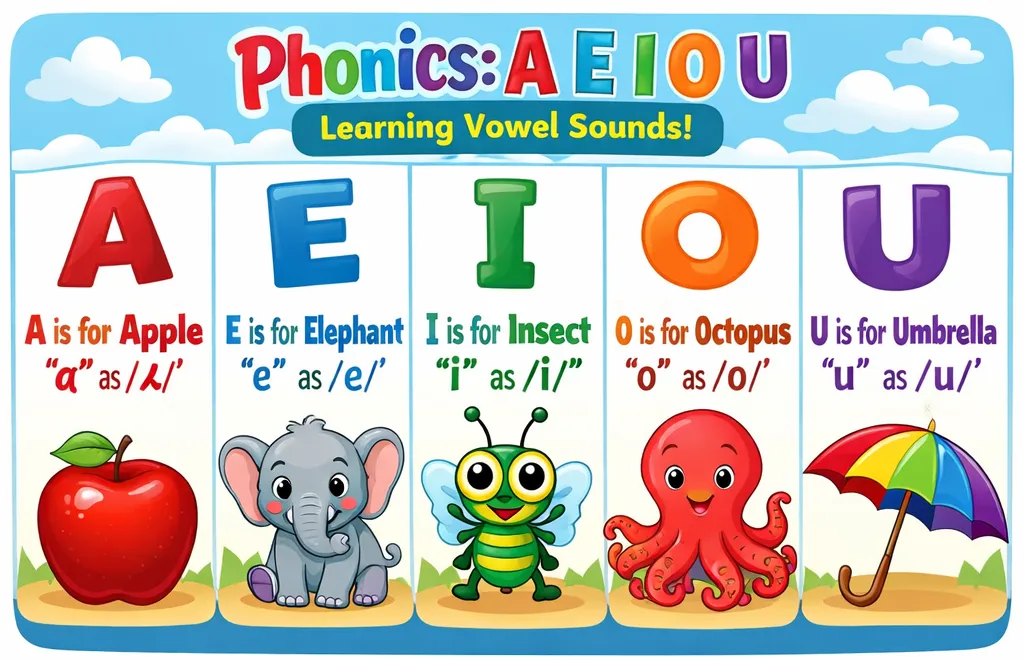
- Start with single letter sounds: Introduce consonants and short vowels first, using pictures and objects to anchor each sound meaningfully.
- Blend sounds together: Teach children to merge individual phonemes — /c/ /a/ /t/ → "cat" — using slow, deliberate blending practice.
- Introduce digraphs and blends: Progress to letter combinations like "sh," "ch," "th," "bl," and "tr" that produce distinct sounds.
- Use decodable texts: Provide reading material aligned to the phonics patterns the child has already learned, reinforcing confidence.
- Multisensory activities: Incorporate visual, auditory, and kinaesthetic methods — writing in sand, clapping syllables, using magnetic letters.
- Regular review and reinforcement: Revisit previously learned patterns consistently to solidify long-term retention.
An effective phonics teacher understands that every child's pace is different. The key is consistent, patient practice paired with encouragement, ensuring children feel capable and eager to explore language.
Types of Phonics
Not all phonics instruction looks the same. Different programmes and schools use varying approaches depending on the learner's needs, age, and prior knowledge. Understanding the main types helps educators and parents make more informed decisions.
Synthetic Phonics
The most commonly used method in schools today. Children learn individual phoneme-grapheme correspondences and then blend (synthesise) sounds together to read whole words from the very beginning.
Analytic Phonics
Children start by identifying whole familiar words and then analyse the letter patterns within them, working from the whole word down to its individual sounds.
Embedded Phonics
Phonics skills are taught incidentally within the context of authentic reading and writing experiences, rather than as a separate, dedicated lesson.
Analogy Phonics
Children learn to use familiar word families and patterns (rimes like -at, -an, -ig) to decode new, unfamiliar words that share the same ending patterns.
Phonics Through Spelling
A writing-first approach where children learn to segment spoken words into phonemes and then represent them in writing, reinforcing sound-letter connections through encoding.
Most leading literacy programmes today favour synthetic phonics due to its strong evidence base and clear, structured progression. However, skilled teachers often blend elements from multiple approaches to meet the diverse needs of their students.
Understanding Phonics at Home
Parents play a vital role in reinforcing phonics learning outside the classroom. What is phonics to a parent? It's an opportunity — a way to turn everyday moments into rich literacy experiences without the need for formal lesson plans or professional training.
- Read aloud daily: Choose books with repetitive patterns and rhymes to highlight sound structures naturally.
- Play sound games: "I spy with my little eye something beginning with /s/..." is a classic phonemic awareness builder.
- Praise attempts, not just accuracy: When a child attempts to decode an unfamiliar word, celebrate the effort and guide them gently.
- Use alphabet books and phonics apps: Visual and interactive resources help maintain interest and motivation.
- Label things around the house: Stick labels on common objects like "door," "chair," and "fridge" to create a print-rich environment.
- Connect letters to real life: Point out shop signs, cereal boxes, and street names as opportunities for informal phonics practice.
Consistency is more powerful than intensity. Even 10–15 minutes of phonics-related play or reading per day can make a meaningful difference over weeks and months. The home environment, when nurturing and language-rich, acts as a powerful complement to structured classroom instruction.
How Does Vidhyanidhi Education Society Teach Phonics Skills?
Vidhyanidhi Education Society is a trusted name in teacher training and early childhood education across India. Understanding that quality phonics instruction begins with well-prepared teachers, the society offers a comprehensive Phonics Teacher Training Course designed to equip educators with the methodology, materials, and confidence to deliver outstanding literacy instruction.
The training covers the complete phonics spectrum — from foundational sound recognition and blending techniques to advanced digraphs, diphthongs, and sight word integration. Participants engage in practical, hands-on learning that mirrors the real classroom experience, including lesson planning, assessment strategies, and differentiation for diverse learners.
- Structured curriculum: A clearly sequenced programme following international literacy standards and best practices.
- Multisensory methodology: Combining auditory, visual, and kinesthetic activities to accommodate all learning styles.
- Classroom management for phonics: Strategies for engaging large and mixed-ability groups effectively.
- Assessment and tracking tools: Practical frameworks for monitoring each child's phonics progression and identifying areas needing support.
- Resource development: Guidance on creating and curating phonics materials that are culturally relevant and contextually appropriate for Indian learners.
Vidhyanidhi Education Society's approach is rooted in the belief that every child can learn to read — and that the teacher's skill and preparedness is the single most powerful variable in that outcome.
Become a certified Phonics educator
Vidhyanidhi Education Society offers a professional Phonics Teacher Training Course to help educators build expert literacy skills. Explore the course at teachertrainingindia.co.in →
How Your Child Will Benefit from Vidhyanidhi Education Society Phonics Approach?
When children are taught by educators trained through Vidhyanidhi Education Society's rigorous phonics programme, the results speak for themselves. What is phonics if not a gateway to a lifetime of confident reading and self-expression? Here's what children gain:
- Strong decoding skills that allow them to independently tackle unfamiliar words across all subjects — not just in English lessons.
- Improved spelling accuracy through a deep understanding of phoneme-grapheme relationships, reducing guesswork and building consistency.
- Greater reading fluency and comprehension as decoding becomes automatic, freeing cognitive resources for meaning-making.
- Boosted self-confidence and a positive attitude towards reading, which is closely linked to academic motivation across all areas.
- A solid foundation for advanced literacy skills including vocabulary development, creative writing, and critical analysis.
- Enhanced listening and speaking skills, as phonics training also sharpens auditory discrimination and oral language development.
- Readiness for standardised assessments and school-based evaluations that increasingly test phonological awareness and early reading ability.
Children taught using this systematic, structured approach are not just learning to read — they are developing a genuine love of language. With teachers who are both passionate and professionally trained, the classroom becomes a place where literacy flourishes naturally, joyfully, and sustainably.
Phonics is not a trend or a buzzword. It is a proven, powerful, and deeply human way of opening the world of language to every child — one sound at a time. And with the right educator, every child deserves that opportunity.


























Sign in to leave a comment.