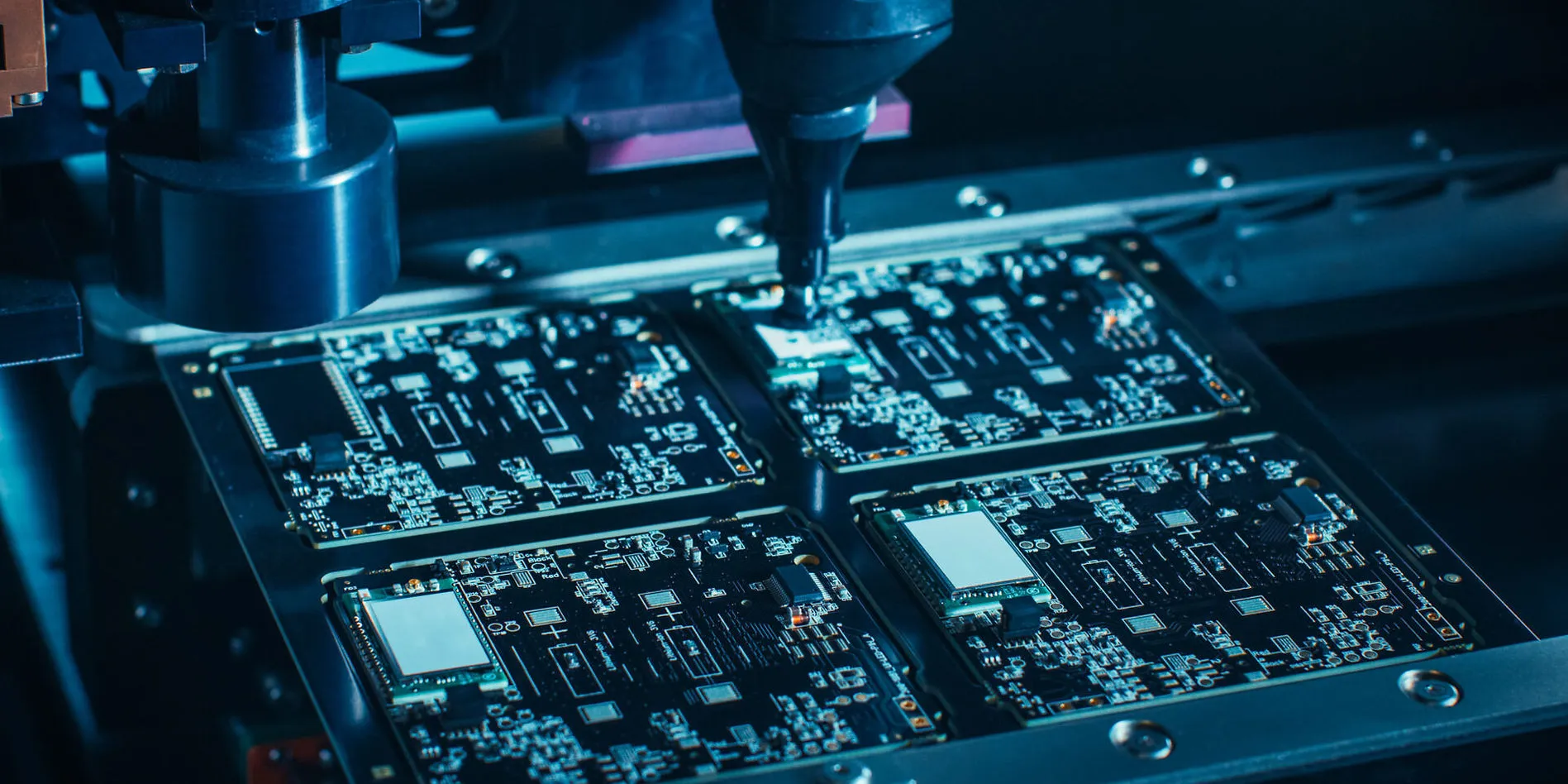


Printed circuit board assembly (PCBA) is the process of mounting, soldering, inspecting, and testing electronic components on a printed circuit board (PCB) to create a fully functional electronic assembly. It combines advanced manufacturing techniques, quality control, and engineering expertise to ensure electronic products meet performance, reliability, and industry standards. For U.S. OEMs, startups, and manufacturers, professional PCBA services help accelerate product development while maintaining consistent production quality.
Why Printed Circuit Board Assembly Is a Core Part of Electronics Manufacturing
Printed circuit board assembly is one of the most critical stages in electronics manufacturing because it transforms a bare PCB into a working electronic system. Whether producing medical devices, industrial equipment, telecommunications hardware, automotive electronics, aerospace systems, or consumer products, a dependable PCBA process directly impacts product performance and longevity.
Partnering with a U.S.-based PCB assembly provider offers benefits such as improved communication, faster turnaround times, stronger quality oversight, and reduced shipping and supply chain risks. Domestic manufacturing also allows engineering teams to collaborate more closely throughout product development and production.
How Printed Circuit Board Assembly Starts Before Manufacturing
Successful printed circuit board assembly begins with careful planning and engineering review. Manufacturers evaluate Gerber files, Bills of Materials (BOMs), assembly drawings, and component availability before production starts.
During this stage, Design for Manufacturability (DFM) and Design for Testability (DFT) assessments help identify potential production challenges, improve assembly efficiency, and reduce manufacturing costs. Early design validation minimizes costly revisions later in the product lifecycle.
What Processes Are Included in Printed Circuit Board Assembly?
Modern printed circuit board assembly involves multiple manufacturing steps designed to produce accurate, repeatable, and high-quality electronic assemblies.
The typical process includes:
- Component sourcing and procurement
- Solder paste printing
- Surface Mount Technology (SMT) component placement
- Through-Hole Technology (THT) assembly
- Reflow or wave soldering
- Mixed-technology assembly where required
- Automated Optical Inspection (AOI)
- Electrical and functional testing
- Final inspection and packaging
Each stage is performed according to strict manufacturing procedures to ensure every assembled board meets customer specifications and industry requirements.
SMT and Through-Hole Printed Circuit Board Assembly
Surface Mount Technology (SMT) is widely used in printed circuit board assembly because it supports compact, lightweight, and highly efficient electronic designs. Automated placement machines accurately install miniature components, making SMT ideal for high-volume manufacturing and complex circuit boards.
Through-Hole Technology (THT) remains important for applications requiring greater mechanical strength or higher power handling. Connectors, transformers, large capacitors, and heavy-duty components are often installed using through-hole assembly.
Many products use a combination of SMT and THT to achieve the best balance of durability, functionality, and manufacturing efficiency.
Why Quality Testing Is Essential in Printed Circuit Board Assembly
High-quality printed circuit board assembly depends on comprehensive inspection and testing throughout production. These quality assurance procedures help identify defects before products reach customers, reducing failures and improving long-term reliability.
Common testing methods include:
- Automated Optical Inspection (AOI)
- In-Circuit Testing (ICT)
- Functional Testing
- X-ray inspection for hidden solder joints
- Burn-In Testing
- Environmental Stress Screening (ESS)
These inspections verify solder quality, component placement, electrical performance, and overall assembly integrity while supporting compliance with IPC standards and ISO 9001 quality management practices.
Prototype Printed Circuit Board Assembly Speeds Product Development
Prototype printed circuit board assembly allows engineers to validate new designs before committing to large production runs. Prototype builds help confirm functionality, identify design improvements, and support certification and regulatory testing.
After successful validation, manufacturers can efficiently transition from prototype production to low-volume manufacturing and ultimately full-scale production while maintaining consistent quality and process control.

How to Choose the Right Printed Circuit Board Assembly Provider
Selecting the right printed circuit board assembly partner requires evaluating technical expertise, manufacturing capabilities, and quality systems. Businesses should consider:
- Experience with similar products and industries
- SMT, THT, and mixed-technology assembly capabilities
- Prototype and production scalability
- ISO 9001-certified quality management systems
- IPC standards compliance
- Component sourcing and supply chain expertise
- Engineering support with DFM and DFT reviews
- Comprehensive testing and inspection capabilities
- Turnkey manufacturing and box build assembly services
A provider that offers end-to-end engineering, manufacturing, testing, and logistics can simplify the entire product lifecycle while reducing project complexity.
For organizations seeking domestic manufacturing, Advanced Electronic Solutions delivers integrated PCB assembly, engineering support, quality testing, repair services, and full-scale production to help OEMs bring reliable electronic products to market efficiently.
Conclusion
Printed circuit board assembly is the foundation of modern electronics manufacturing, combining precision engineering, automated assembly, rigorous testing, and quality management to produce dependable electronic products. By partnering with an experienced U.S.-based PCBA provider, businesses can improve product reliability, shorten development timelines, strengthen supply chain resilience, and move confidently from prototype to commercial production.


























Sign in to leave a comment.