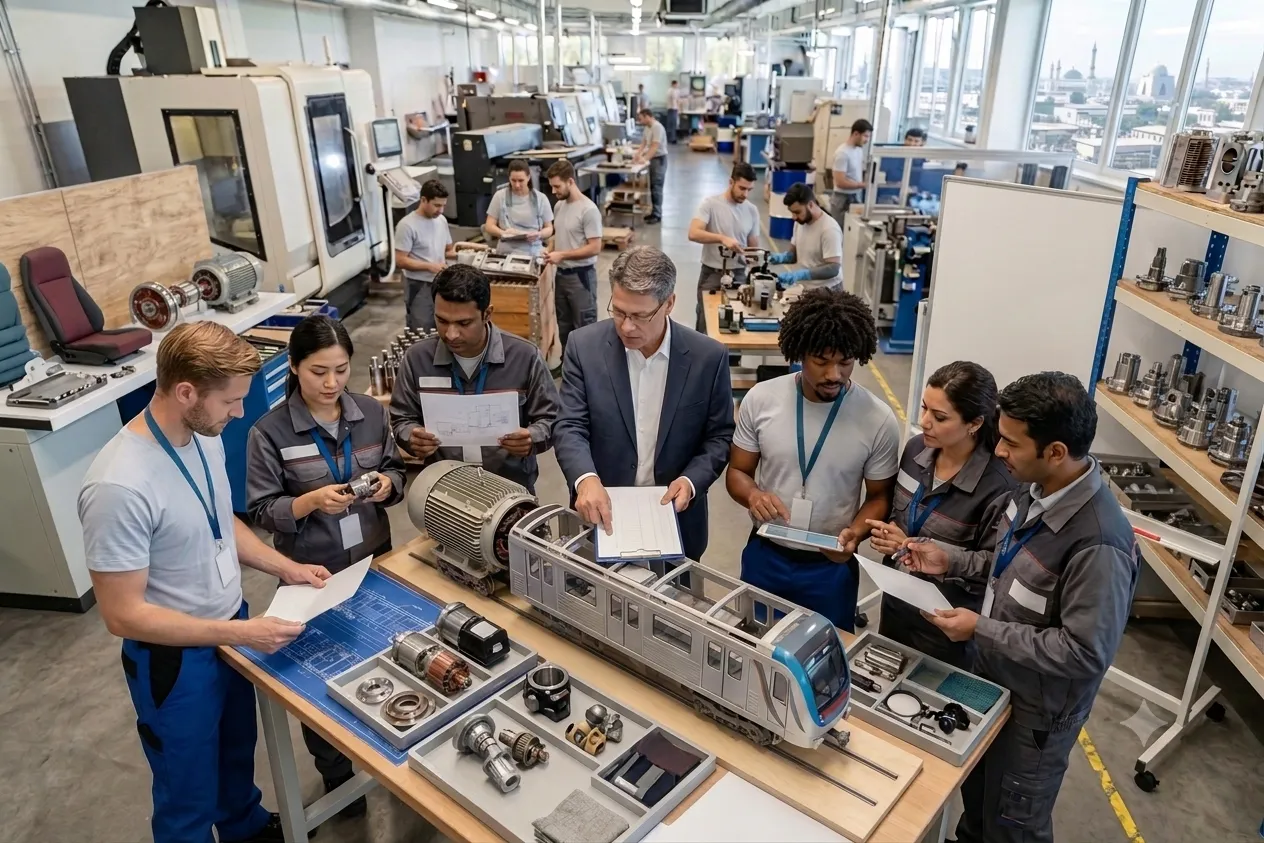

In today's competitive manufacturing environment, the strength of your business depends not just on what happens inside your facility — it depends on the entire supply chain behind you. From raw materials to finished components, manufacturers rely on dozens, hundreds, and sometimes thousands of suppliers to keep production moving. And when any one of those suppliers underperforms, the consequences can ripple across the entire operation.
That's where supplier development comes in. For manufacturers looking to build stronger, more resilient supply chains, supplier development programs are one of the most effective tools available.
What Is Supplier Development?
Supplier development is a proactive, collaborative approach in which manufacturers actively invest in improving the capabilities, quality, and performance of their suppliers. Rather than simply evaluating suppliers and replacing those that fall short, supplier development programs focus on building long-term partnerships that benefit both parties.
At its core, supplier development is about treating suppliers as strategic partners rather than disposable vendors. Manufacturers who invest in supplier performance improvement see fewer supply chain disruptions, higher quality consistency, and stronger compliance across the board.
These programs typically combine several key elements:
Supplier audits and assessments to identify performance gaps
- Workforce development to strengthen supplier team capabilities
- Manufacturing process improvement initiatives to eliminate waste and inefficiency
- Supplier quality management systems to ensure consistent output
- Supplier compliance management to meet regulatory and customer requirements
Why Manufacturers Can't Afford to Ignore Supplier Development
A supply chain is only as strong as its weakest link. When a supplier delivers defective components, falls out of compliance, or misses a delivery deadline, the cost is felt immediately: production delays, increased scrap and rework, strained customer relationships, and potential contract losses.
Most manufacturers respond to supplier problems only after they occur — a reactive approach that is both costly and disruptive. Supplier development programs flip this model. By proactively identifying and addressing supplier weaknesses before they escalate, manufacturers reduce supply chain risk and build more predictable operations.
The alternative — replacing underperforming suppliers — is rarely as simple as it sounds. Finding, qualifying, and onboarding a new supplier takes significant time and resources, and the transition itself can disrupt production schedules. Investing in supplier development is often far more efficient than starting over from scratch.
The Role of Supplier Quality Management
Quality issues are among the most common and costly disruptions in manufacturing supply chains. Defective parts lead to scrap, rework, customer complaints, and warranty claims — all of which eat into margins and damage manufacturer reputations.
Supplier quality management is a central pillar of effective supplier development programs. Through supplier scorecards, defect tracking, quality audits, and corrective action programs, manufacturers can identify recurring quality problems and work with suppliers to address their root causes.
The goal is not simply to fix individual defects as they arise. The goal is to help suppliers build systems and processes that consistently produce high-quality products — reducing the likelihood of quality failures occurring in the first place.
Supplier Compliance Management: Protecting Your Business
Manufacturers and their suppliers operate under strict regulatory and customer requirements. Whether it's ISO certification, industry-specific compliance standards, or customer-mandated documentation protocols, failing to meet these requirements can have serious consequences.
When a supplier falls out of compliance, the impact often extends directly to the manufacturer. A failed audit, a lapsed certification, or a missing document can jeopardize customer contracts and create costly delays. Supplier compliance management programs help suppliers understand their obligations and put the systems in place to meet them consistently.
These programs may include ISO certification consulting, audit preparation support, documentation process improvement, and targeted training on regulatory requirements. By strengthening supplier compliance, manufacturers reduce their own exposure to compliance-related risks.
Workforce Development: The Human Side of Supply Chain Risk Reduction
Even the most advanced manufacturing facility can fall short if the people operating it aren't properly trained. Human error remains one of the leading causes of quality defects and compliance failures across the supply chain.
Workforce development is a critical component of supplier development programs. When supplier employees understand not just how to perform their work, but why quality standards and regulatory requirements matter, the result is a more competent, engaged, and reliable workforce.
Effective workforce development programs focus on:
- Technical skills training specific to the supplier's operations
- Quality management principles and practices
- Compliance and regulatory awareness
- Cross-training to improve operational flexibility
- Leadership development to build internal capacity for continuous improvement
When suppliers invest in their people, the benefits show up directly in the consistency and reliability of their output — which is exactly what manufacturers need from their supply chain partners.
Manufacturing Process Improvement: Building Consistency at the Source
Even well-trained employees can struggle to meet performance targets when the processes around them are inefficient. Bottlenecks, redundant steps, poorly defined workflows, and a lack of standardized work procedures all create opportunities for variation — and variation is the enemy of consistency.
Manufacturing process improvement initiatives help suppliers identify and eliminate inefficiencies in their operations. Lean manufacturing implementation, standardized work procedures, and optimized production workflows help suppliers reduce waste, improve throughput, and deliver more consistently to their manufacturing partners.
The more repeatable and reliable a supplier's processes become, the more predictable their output — and the lower the risk of supply chain disruptions for the manufacturers who depend on them.
Supplier Audits: The Foundation of Improvement
You can't improve what you don't understand. Supplier audit consulting and assessment programs give manufacturers — and their suppliers — a clear picture of where performance gaps exist before they become serious problems.
A comprehensive supplier audit evaluates quality management systems, workforce capabilities, process efficiency, documentation practices, and compliance readiness. Audit findings are used not as grounds to terminate a supplier relationship, but as the foundation for a targeted improvement plan.
When manufacturers and suppliers work through audit findings together, they build stronger, more collaborative relationships — and the supplier emerges better equipped to meet the manufacturer's needs over the long term.
The Bigger Picture: Building Supply Chain Resilience
Supplier development programs deliver value that goes well beyond fixing individual performance problems. When manufacturers systematically invest in improving the capabilities of their supply chain partners, they build a more resilient supply chain — one that is better able to withstand disruptions, adapt to changing conditions, and meet evolving customer requirements.
Supply chain risk reduction is not a one-time project. It's an ongoing commitment to the health of the partnerships that power your manufacturing operations. By investing in supplier performance improvement through structured development programs, manufacturers create a competitive advantage that is difficult for competitors to replicate.
Conclusion:
For manufacturers who want to build stronger, more reliable operations, supplier pmentdevelo is not optional — it's essential. The supply chain disruptions, quality failures, and compliance issues that keep manufacturers up at night are largely preventable through proactive supplier development programs.
By combining supplier audits, workforce development, supplier quality management, manufacturing process improvement, and supplier compliance management, manufacturers can strengthen their supply chain from the ground up — creating the consistency and reliability their customers expect and their business requires.


























Sign in to leave a comment.