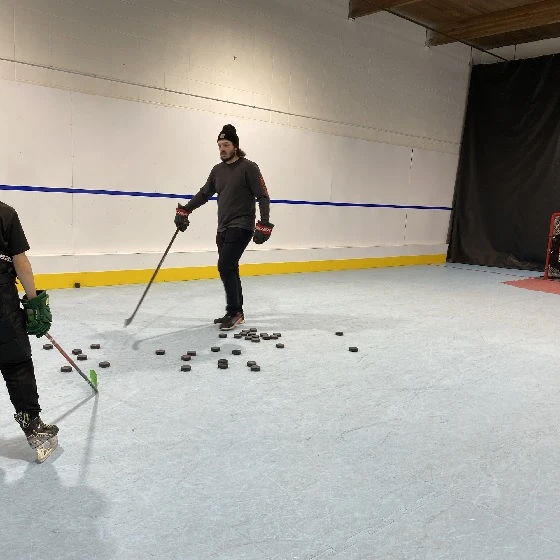

When it comes to competitive sports, few activities capture the passion and community spirit quite like hockey. In cities like Edmonton—where the sport holds a near-sacred status—parents and young athletes alike often find themselves pondering the ideal age to begin training. Whether the goal is to reach elite levels or simply to enjoy the game recreationally, understanding the right time to start can shape a child’s athletic journey and overall relationship with the sport.
This article dives into the recommended starting age, developmental benefits, local context, and expert opinions surrounding youth hockey. If you're a parent considering enrolling your child, or a young player eager to hit the ice, the information below will offer valuable insights into navigating the early years of hockey training Edmonton.
Understanding the Early Start: The Case for Ages 3–5
Children as young as three can begin skating lessons, which are the foundation of hockey skills. At this age, formal "hockey training" may not be necessary or productive, but introducing a child to the ice builds essential balance, coordination, and confidence.
Benefits of Starting Early:
- Familiarity with the ice: Regular exposure to the rink helps young kids get comfortable with their environment.
- Motor skills development: Learning to skate enhances muscle control and body coordination.
- Confidence building: Early achievements, even as small as standing on skates without falling, boost a child’s self-esteem.
At this stage, programs focus more on fun, exploration, and movement than competition or skill perfection. The key is to spark interest without pressure.
Ages 5–7: The Sweet Spot for Formal Instruction
Most experts agree that between the ages of 5 and 7 is the best time to start formal hockey training. By now, children typically have enough physical control, mental focus, and social skills to benefit from structured learning.
Why This Age Range Works:
- Cognitive readiness: Children can follow multi-step instructions and understand basic game rules.
- Physical development: Improved strength and coordination make it easier to learn skating techniques and puck control.
- Emotional resilience: They're better able to handle constructive feedback and small failures as learning opportunities.
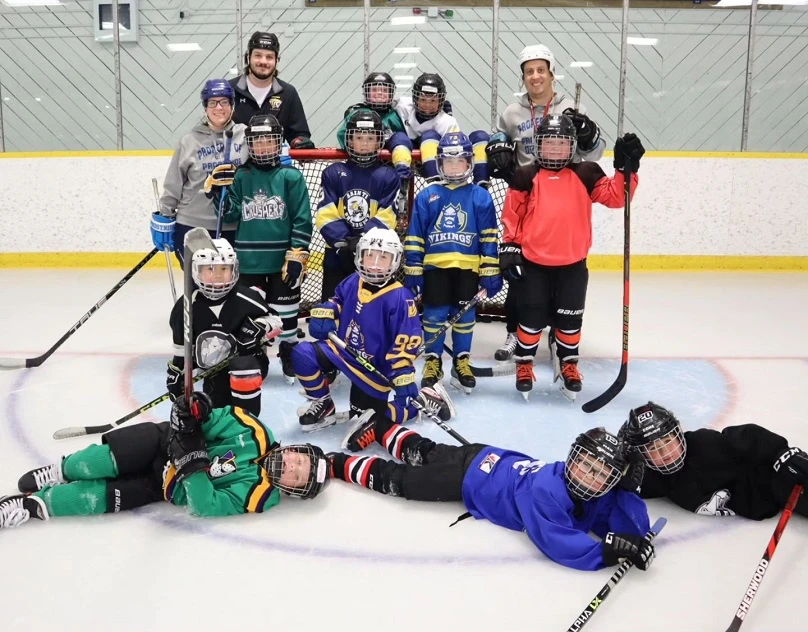
This is also the age when local minor hockey leagues start recruiting beginners, making it easier for kids to enter a peer group of similarly skilled players. Hockey training Edmonton programs often cater to this age range with beginner-level drills, team-building exercises, and fun-focused sessions to keep the sport enjoyable.
Ages 8–10: A Time to Refine and Commit
If a child has already begun training by age 8 or 9, this is typically when they start progressing from general skills to more refined techniques. Even if a child starts at this age, they are by no means "too late."
Skill Development Focus:
- Puck handling: Players learn to maneuver the puck more effectively in various scenarios.
- Game strategy: Kids are introduced to positional play, team tactics, and basic strategies.
- Competitive mindset: While still learning, they begin to engage in more formal games and tournaments.
By this time, athletes who stick with hockey start forming personal goals. Some may aim to make competitive teams, while others simply enjoy weekend matches. Either way, quality coaching and encouragement are crucial.
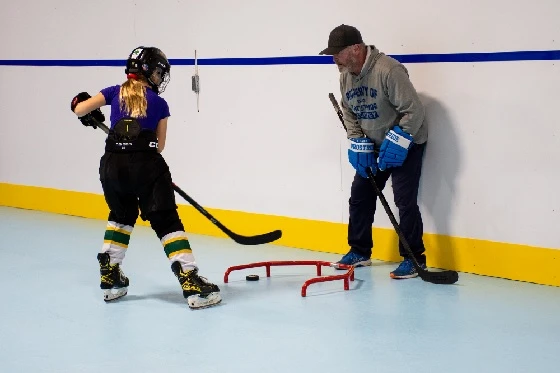
Later Starters: Ages 11 and Up
While starting young has its benefits, beginning hockey training at age 11 or older isn't a lost cause. With the right environment, support, and determination, later starters can still thrive.
Keys to Success:
- Focused training: Older kids often need more intensive sessions to catch up technically.
- Physical maturity: Their growing bodies might actually adapt more quickly to complex movements.
- Mental drive: Many later starters are highly motivated, knowing they have ground to cover.
However, it's essential to manage expectations and help players define personal success beyond comparisons with peers who’ve trained longer. Community and recreational leagues offer a perfect setting for older newcomers to develop a love for the game.
Factors Influencing the “Best” Age to Start
There isn’t a single best age that applies to every child. Multiple factors can influence when a child is truly ready to begin hockey training:
a) Personality
- Some kids are naturally adventurous and take to the ice with enthusiasm.
- Others may need more time to warm up to new environments or physical challenges.
b) Physical Development
- Skating is physically demanding. A child's gross motor skill development may determine readiness more than age alone.
c) Parental Involvement
- Children often thrive when parents are encouraging and actively involved, whether that means helping with equipment, practicing at public rinks, or just showing up to games.
d) Access to Resources
- Not every family has access to high-quality training facilities or can afford early and frequent instruction.
- Community rinks and introductory programs offer more affordable entry points.
The Edmonton Context: A City Built for Hockey
Edmonton is uniquely positioned to offer early and extensive hockey opportunities. With its strong hockey culture, abundance of rinks, and experienced coaching programs, families have plenty of options to consider.
From indoor arenas to seasonal outdoor rinks, the infrastructure supports both elite athlete development and casual weekend play. As a result, kids in Edmonton can begin skating and training earlier than in many other places in Canada—or the world.
The local passion for the sport also means peer motivation is high. Kids growing up in Edmonton are more likely to be surrounded by friends who play hockey, making the sport a natural social and physical outlet.
Making the Decision: What Parents Should Watch For
Parents often wonder how to tell if their child is ready for hockey. A few signs can help guide this decision:
- Interest: Does your child ask about hockey or express excitement about the idea of playing?
- Stamina: Can they handle 30–60 minutes of physical activity?
- Behavior in group settings: Are they able to listen, share, and follow instructions?
If the answer is yes to most of these questions, your child is probably ready to try a beginner program. Starting with basic skating lessons before full hockey training can ease the transition.
Tips for Getting Started
Once you've decided to enroll your child, consider the following:
- Start with skating: Mastering the basics of balance and movement is crucial.
- Use second-hand equipment: Kids grow quickly, so buying new gear can get expensive.
- Keep it fun: The most important goal is helping your child fall in love with the game.
Whether it’s a community program or a more advanced hockey school, the experience should be enjoyable and age-appropriate.
The best age to start hockey training in Edmonton depends largely on the child’s personality, interest, and physical readiness. While many begin between the ages of 5 and 7, there’s flexibility based on individual development. Early exposure to skating is beneficial, but formal training can come slightly later—what matters most is fostering a lifelong love for the game.
In a city like Edmonton, opportunities for youth hockey are abundant. With supportive infrastructure, accessible programs, and a community that deeply values the sport, there’s never a wrong time to lace up the skates and hit the ice.
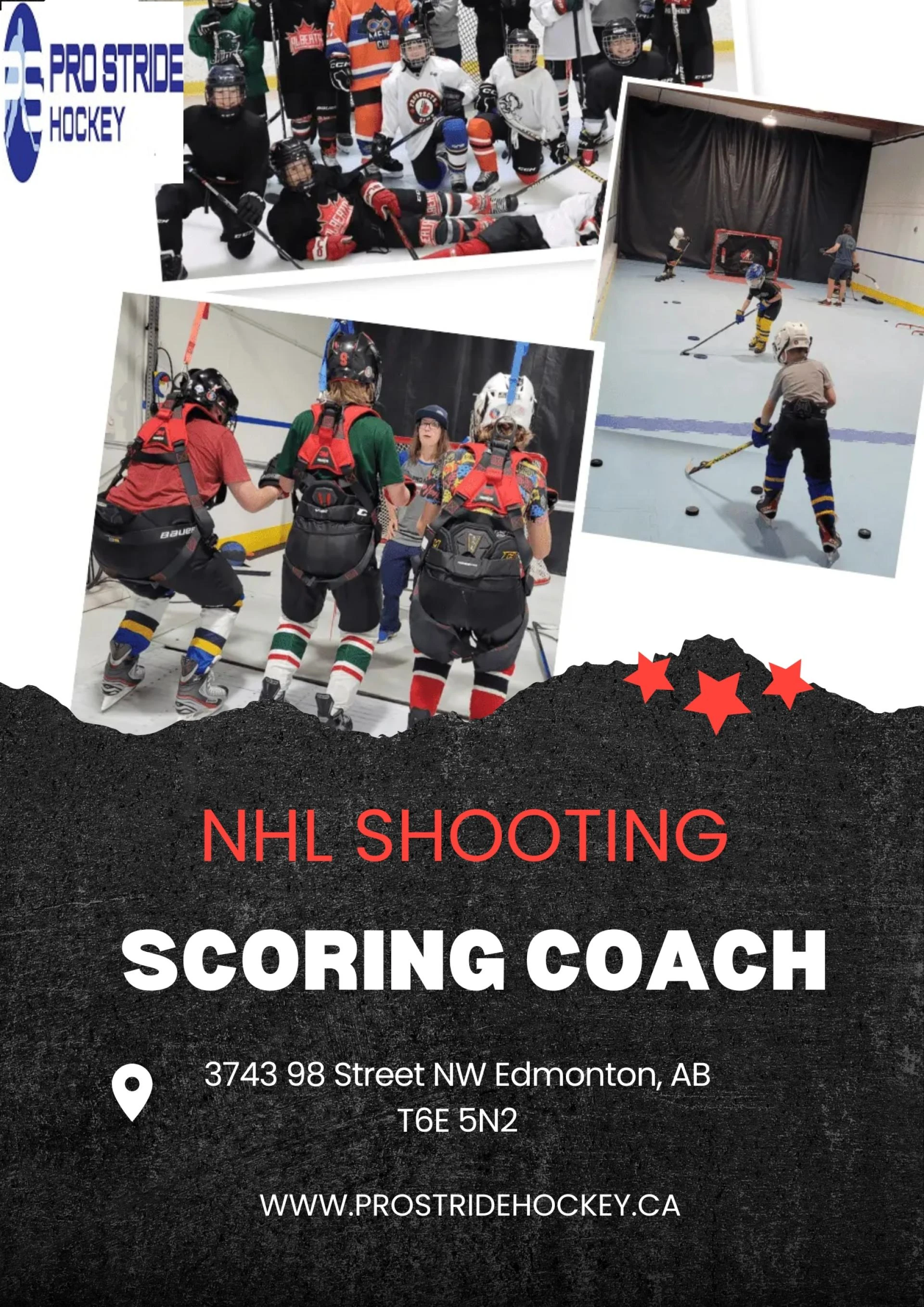
Whether your child is a toddler shuffling on skates or a teenager discovering the sport for the first time, Edmonton offers a place for them to grow and thrive through hockey. And when the time is right for structured development, professional organizations such as Pro Stride Hockey are ready to guide young athletes toward their full potential.























Sign in to leave a comment.