
What is the Best Time to Visit Char Dham Yatra
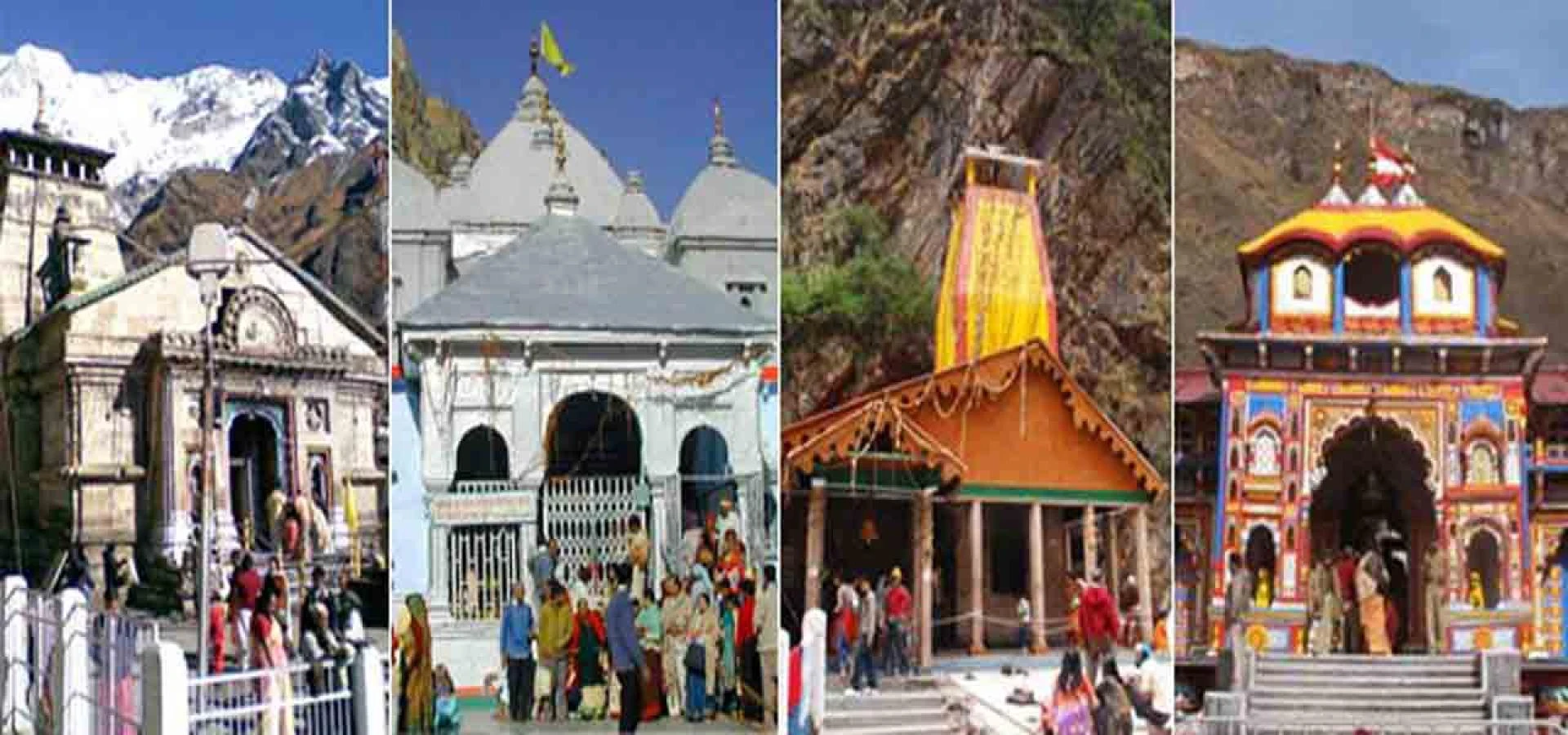
A holy pilgrimage to the four holy shrines of Badrinath, Kedarnath, Gangotri, and Yamunotri is known as the heavenly Char Dham Yatra in Uttarakhand.
Best Time to Visit Char Dham Yatra
The months of May and June are ideal for the Char Dham Yatra. The weather is at its best throughout these months, providing comfortable temperatures for a visit that are neither too hot nor too cold. For the Chardham Yatra, September and October are also great months.
But stay away from travelling in July and August. During this period, there is a lot of rain in the Char Dham region. Additionally, during the rainy season, helicopter trips won't be available.
Char Dham In Summer: April to June
After a difficult winter, the valleys in the Himalayan highlands are in full bloom with a vast variety of vegetation, making summer there gorgeous. The start of the summer season in Uttarakhand is in April. Summertime is the greatest season to travel to Char Dham Yatra because the average temperature ranges between 20°C and 35°C there. The warm months of April to June are the ideal time to visit Kedarnath and Badrinath.
Gangotri and Yamunotri endure a later start to summer because of their higher altitudes—nearly at the end of April. With warmer mornings but a modest drop in temperature at night, the weather is quiet and soothing. Therefore, bring warm clothing on your journey.
Char Dham In Monsoon: July - November
In Char Dham, the monsoon season starts around the end of June and lasts till the end of September. Due to the severe rain and potential for landslides and flooding brought on by overflowing rivers, it is typically not suggested to travel during the monsoon season.
Despite this, a sizable proportion of followers make the journey. Therefore, it is always a good idea to check the weather prediction if you are planning a Char Dham Yatra during the monsoon. Carry some rain gear and any other tools you might need.
Another window of favourable weather for the Char Dham Yatra is from the end of September until the middle of November. This is the pre-winter season in the Himalayas, when the valleys are lush with flora after a big rainfall but before the abrasiveness of winter has set in. This is the perfect time to start the Chardham yatra in Uttarakhand.
Char Dham In Winter: November to March
The only time the hallowed gates of Char Dham are closed to pilgrims is during the winter. In Char Dham locations, the winter season lasts from October to March. Char Dham cannot be reached during this time due to the amount of snowfall, and the temperatures, which range from below zero to 15 degrees Celsius, make travel even more difficult.
The Darshan is suspended during the winter months of November to March on average because of the extreme cold and frequent snowfall. The Hindu festival of Akshaya Tritiya marks the commencement of the Char Dham Yatra, which starts in the spring. In the Himalayas, the weather is incredibly unpredictable and ever-changing. In order to ensure a smooth journey, it is advised to have an idea of the ideal time to travel to Char Dham.
Char Dham Weather
Weather in Badrinath
The best time to visit the Badrinath Temple is during the warm months of May through November. May and June are the busiest months. Many pilgrims travel to this location at this time of year. The ideal time of year for a solitary spiritual journey is September or October. Travel to Badrinath is difficult during the monsoon because of the area's propensity for landslides. From June until mid-September, the temperature drops to 15°C. From November through April, the minimum temperature decreases to an average of 5°C on chilly days. There is a possibility of minus 40°F-level temperatures. As the gates of Badrinath Dham close for the winter, the deity of Lord Badri Vishal is transferred to Joshimath's Nar Singh Temple.
Weather in Gangotri
The summer season in Gangotri starts in April and lasts through May. The summer months are pleasant, with a high temperature of about 25°C. The Temple's gates are kept open during the spring. The best time to make a pilgrimage or go sightseeing is right now. In Gangotri, the monsoon season lasts from late June to early August.
The winter season in Gangotri lasts from November to April. The area has been heavily covered in snow, which has caused the temperature to drop dramatically. It is advised that pilgrims avoid going to Gangotri during this time of year. The temple is shut down during this time, and the Goddess Ganga idol is moved to the nearby village of Mukhwa, which serves as the Gangotri temple's winter residence.
Book Char Dham Yatra from Mumbai with Swastik Holiday at best price.
Weather in Yamunotri
At the start of the summer, the Yamunotri temple's gates open. Yamunotri's summer season runs from April to July. This is the best time of year to travel to Yamunotri. During this period, the temperature varies from 6 to 20 degrees, while the evenings are extremely chilly. Therefore, visitors are advised to pack warm clothing. Significant rainfall occurs in Yamunotri throughout the monsoon season (late June to August).
The winter season in Yamunotri lasts from November to April. This time of year, winter is especially brutal with lots of snowfall and congested roads. The Yamunotri temple's winter quarters are Kharsali, close to Harsil, where the Goddess Yamuna's idol is moved during this season.
Weather in Kedarnath
The serene and pleasant summertime environment enhances Kedarnath's beautiful surroundings. The greatest time to travel, visit, and explore the neighbourhood is during temple hopping. A mild climate with an average temperature of about 17°C characterises the summer months (May to June). Tourists shouldn't go to Kedarnath Temple during the monsoon season. Landslides are frequent during the monsoon, which makes it challenging for worshipers to travel. From the end of July to the start of September is the monsoon season. Occasionally, Kedarnath experiences rain during the mid-June through August monsoon season, when the temperature drops to 12°C.
0

























Sign in to leave a comment.