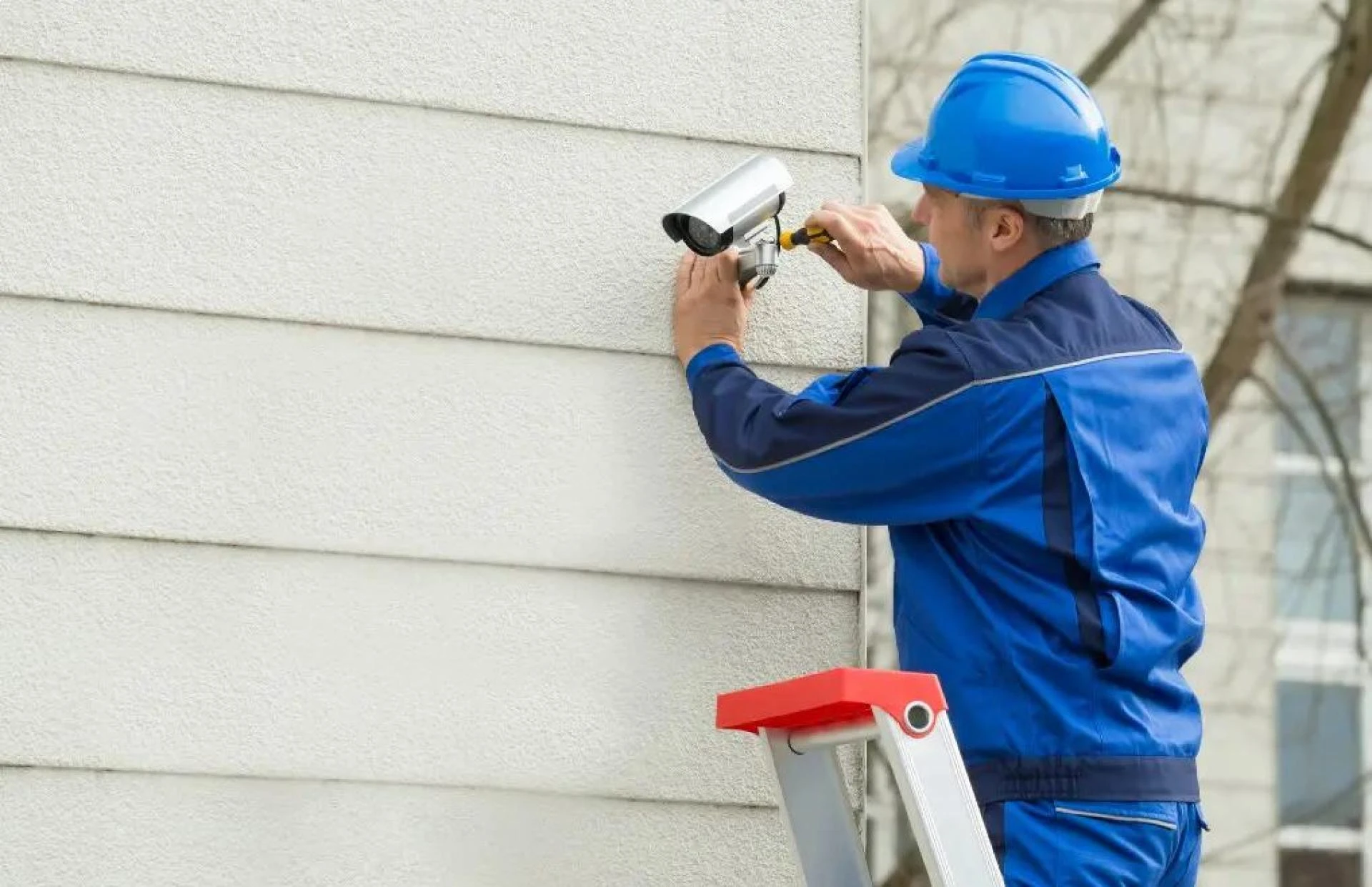

Have you ever felt that pang of unease when you leave your home or office, wondering if everything will be just as you left it? With the rise in burglaries and trespassing incidents, ensuring safety has become paramount. Enhance the safety of your Canadian premises with state-of-the-art security camera installation services. Trust our experienced team for reliable protection.
Introduction to Home Security
Security is not just about alarms and locks anymore. In today's digital age, cameras have become a fundamental tool in safeguarding our properties.
They act as both a deterrent for potential intruders and evidence collectors if a breach occurs. But here's the deal: merely having a camera isn't enough. Its placement, type, and maintenance play pivotal roles too.
Importance of Proper Camera Placement
Imagine buying a pair of binoculars for bird-watching and using them backward. Not very effective, right? Similarly, placing security cameras requires strategic thinking.
Front and Back Doors: Doors, being the primary entry and exit points, need keen surveillance. About 34% of burglars enter through the front door. So, angle your cameras to capture everyone coming in or out.
Windows: Windows, especially those not facing the street, can be vulnerable points of entry. Position cameras so they can monitor these potential stealth points.
Driveways and Garages: These are favorite spots for burglars to enter or even steal a car. Keeping a watchful eye here can deter such actions.
Step-by-Step Installation Process
Now that we know where, let's discuss the how.
Do you need a camera that functions well in low light or one that covers a broader angle? Determine your needs first.Ensure cameras are at a height where they can't be easily tampered with, yet clear enough to capture faces.Use sturdy mounts and ensure they are well-anchored. Consider weather conditions if they're outside.For wired cameras, ensure wires are protected or concealed to prevent tampering.Always test cameras after installation to ensure they cover desired areas and function properly.Wireless vs. Wired Cameras: Which to Choose?
In the era of smart homes and high-tech security solutions, the question often arises: wireless or wired cameras? Both have carved their niche in the security industry, but understanding their strengths and weaknesses can help you decide which suits your needs best.
Gone are the days when security cameras were bulky, conspicuous units tethered by long cables. Now, we see sleek, modern designs with advanced features. But beneath the aesthetics, the main distinction often lies in the connection type: wireless or wired.
Anatomy of a Wireless Camera
At its core, a wireless camera transmits video and audio signals over Wi-Fi or other wireless technologies. This eliminates the need for video cables, though some might still require a power cord.
Pros and Cons
Pros:
Flexibility in placement.Easier installation and relocation.Cleaner look with fewer cables.Cons:
Potential for signal interference.Reliance on a strong Wi-Fi connection.May still require a power source.Anatomy of a Wired Camera
Wired cameras, as the name suggests, use cables to connect to both a power source and the recording device. This ensures a constant connection and power supply.
Pros and Cons
Pros:
Steady, reliable connection.Typically higher video quality.Not dependent on Wi-Fi strength.Cons:
Installation can be more complex.Less flexibility in relocation.Potential for visible cables and clutter.Comparing Key Features
While wireless cameras boast quicker and easier setups, wired ones often require professional installation due to complex wiring.
Wired cameras generally offer a more stable connection, whereas wireless cameras might drop the connection if Wi-Fi is weak or crowded.
While both can offer high-quality video, wired cameras usually have the edge in consistent high-resolution recordings.
Wireless cameras might have a lower initial cost, but consider potential expenses like battery replacements. Wired cameras might be pricier upfront, especially with installation fees, but may incur fewer long-term costs.
Use Cases: When to Choose Which
For renters or those who frequently move, wireless is a no-brainer. For larger properties or businesses requiring a robust, fail-safe system, wired might be the way to go.
As technology advances, we anticipate even more efficient wireless solutions, extended battery lives, and improved signal strength.
Tips and Tricks for Optimal Surveillance
Use motion sensors.Regularly clean camera lenses.Use signs indicating surveillance to deter potential burglars.Remember, a dusty or malfunctioning camera is as good as no camera. Regular checks, cleanings, and updates are crucial.
Conclusion
Installing security cameras can bring peace of mind, but doing it right is key. Spotter Security Company offers premier security camera installation solutions in Canada. Keep a watchful eye on your property with our trusted expertise.


























Sign in to leave a comment.