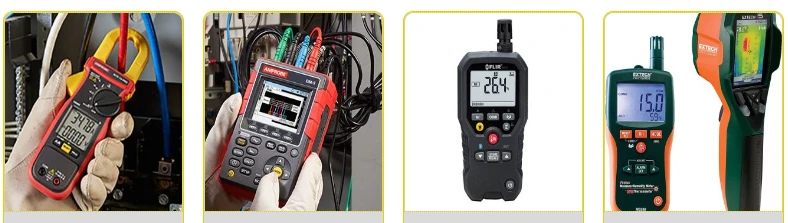

A digital multimeter (DMM) is one of the most used tools for test and measurement. Quality measurements and processes rely on the frequent operation of a digital multimeter. However, certain factors like environment, time, and physical use (or abuses) can change a digital multimeter’s characteristics. That’s why it becomes necessary to calibrate or authenticate the performance of a digital multimeter regularly. Usually, the DMM calibration time interval is yearly basis. But some requirements may have a different calibration interval or period in the middle of calibrations. The time in the middle of calibrations can also be changed as it depends on time, environment, and use.
One can calibrate each device function under test (DUT) using a multi-product calibrator. If you use a Fluke Calibration multi-product calibrator, the front panel has a simplistic and easy display, especially for first-time operators. For calibration, we can use a 5522A Multi-Product Calibrator, a Fluke 87V Digital Multimeter, and a pair of compatible test leads. So to calibrate a digital multimeter, some calibration steps are mentioned below:-
Calibrating direct voltage,Calibrating alternating voltage,Calibrating resistance,Calibrating capacitance,Calibrating direct currentGuidelines for Calibration of Digital Multimeters suggest including specific chunks of information in a calibration report; then, given below information is considered mandatory to provide a complete comprehension of the operations performed on the digital multimeter:
identification of the calibration method usedevidence that the measurements are traceablethe conditions such as temperature and humidity) that influence the calibration resultsthe calibration results with measurement unitsthe measurement uncertaintyContact Omni Controls for Digital Multi Meters. You can call the company people at 813.971.5001 or Email: sales@omnicontrols.com and speak directly to our tech support members.








Sign in to leave a comment.